

An Overview of Deck Types: Which Type Is Best for Your Home?
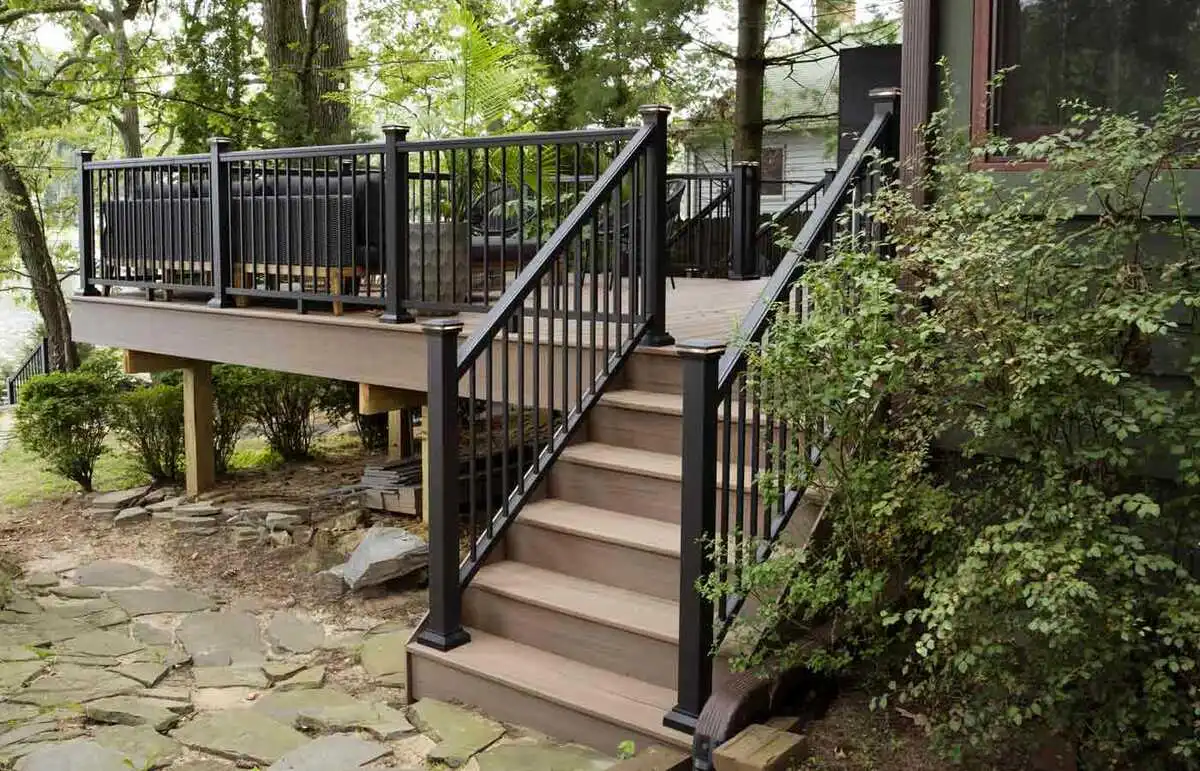
Adding a deck to your home creates valuable outdoor living space where your family can relax, entertain, and enjoy the outdoors. With so many deck materials and styles available, choosing the right option can feel overwhelming. Understanding the pros and cons of different deck types helps you make the best choice for your budget, maintenance preferences, and home design. Homeowners looking for long-lasting, low-maintenance options often turn to TimberTech® Composite Decking as a trusted solution.
What Are the Most Popular Deck Materials?
The material you choose for your deck affects its appearance, durability, maintenance needs, and cost. Here are the most common options homeowners consider.
Wood Decking
Wood remains a classic choice for deck building because of its natural beauty and relatively affordable upfront cost. Popular wood options include cedar, redwood, mahogany, and pressure-treated pine. Cedar is especially popular for its attractive yellowish color and natural resistance to insects and rot.
Wood decks can last many years when properly maintained, but maintenance is their biggest drawback. You need to clean them regularly and restain them every two to three years to keep them looking good and protected from weather. Wood can also splinter, rot, or attract insects over time, potentially requiring repairs or replacement.
Composite Decking
Composite boards combine wood fibers with plastic to create a material that looks like wood but performs much better. This technology has improved dramatically in recent years, with many composite wood products closely mimicking natural wood grain patterns.
Composite decking resists rotting, splintering, warping, and insect damage much better than natural wood. This means less maintenance and worry for homeowners. While composite costs more upfront than wood, many people find it worth the investment because of the reduced long-term maintenance costs and hassle.
PVC Decking
PVC (polyvinyl chloride) decking offers similar durability benefits to composite but doesn’t contain any organic materials. This makes it highly resistant to moisture, rot, and insects.
The main drawback of PVC is that it doesn’t look as much like natural wood as composite options do. Since it contains no wood fibers, it can have a more artificial appearance that some homeowners don’t prefer.
Stone Decking
Stone creates extremely durable decks that can last for decades with minimal maintenance. Stone also provides a natural look that complements most landscaping and home styles.
However, stone is heavy, which increases labor and transportation costs during installation. Some people also find stone decks feel less cozy or inviting than wood or wood-look alternatives.
Aluminum Decking
Aluminum decking is very durable and resistant to warping, rot, and weather damage. It works well in areas prone to wildfires or heavy rainfall because it won’t burn and handles moisture well.
Aluminum is one of the most expensive decking materials, and some people find it looks too industrial compared to more natural-looking options.
What Are the Most Popular Deck Styles?
Beyond choosing materials, you need to decide on a deck style that works with your home’s layout and your family’s needs.
Attached Decks
Attached decks connect directly to your house, usually through a door from your kitchen or living area. This design is convenient because you can easily move between indoor and outdoor spaces. Attached decks also typically cost less to build because they use your house for structural support.
The main concern with attached decks is making sure they’re properly built to avoid any structural damage to your home. Using quality materials and working with experienced contractors minimizes this risk.
Detached or Floating Decks
Detached decks stand alone in your yard without connecting to your house. While you lose the convenience of stepping directly from inside to your deck, you gain flexibility in placement. You can put a detached deck wherever it works best in your yard, perhaps near a pool, garden, or shaded area.
This style works well when you want to create separate outdoor spaces for different activities or when your house layout doesn’t lend itself well to an attached deck.
Multi-Level Decks
Multi-level decks work well for homes with sloped yards or when you want to connect different outdoor areas at various heights. They can create interesting visual appeal and help you work with challenging landscaping.
Multi-level designs typically cost more to build because they require more materials and labor, but they can be worth it for the added functionality and visual interest.
Wraparound Decks
Wraparound decks extend around two or more sides of your home, creating lots of outdoor space and different areas for various activities. You might have a dining area on one side and a lounging area on another.
This style works best on larger properties where you have space for the extended deck and want to take advantage of different views or sun exposure around your home.
Covered Decks
Adding a roof or pergola to your deck provides shade and can extend the usable time during hot or lightly rainy weather. Pergolas are especially popular because they provide adjustable shade while maintaining an open feel.
Covered decks cost more than open designs, but they can significantly increase how much you use your outdoor space.
Which Deck Material Is Best?
For most homeowners, composite decking offers the best balance of appearance, durability, and maintenance requirements. Here’s why many people choose composite over other options.
Composite looks very similar to natural wood but requires much less maintenance than real wood. You don’t need to stain it regularly, and it won’t rot, splinter, or attract insects like wood can.
While composite costs more upfront than wood, the reduced maintenance costs often make it more economical over time. You’ll save money on staining, repairs, and potential replacement that wood decks often need.
Composite is also more environmentally friendly than cutting down trees for lumber. Many composite products use recycled materials, reducing waste.
How Much Do Different Deck Materials Cost?
Understanding the costs of different materials helps you make an informed decision that fits your budget.
Upfront Costs
Pressure-treated wood is typically the least expensive option upfront, usually costing around $60 per square foot installed. Composite and PVC decking cost more initially, typically ranging from $80 to $120 per square foot installed.
Long-Term Maintenance Costs
Wood decks require significant ongoing maintenance. Over ten years, you might spend $4,000 to $6,000 on cleaning, staining, and repairs for a typical wood deck.
Composite and PVC decks need much less maintenance, with ten-year costs typically ranging from $2,000 to $4,000, mainly for occasional cleaning and minor repairs.
Total Cost Comparison
When you add up initial costs and maintenance over time, composite often becomes competitive with wood despite the higher upfront investment.
What Is the 3-4-5 Rule for Decks?
The 3-4-5 rule helps ensure your deck has perfectly square corners, which is important for both appearance and structural integrity.
How the Rule Works
This rule uses the Pythagorean theorem to create perfect 90-degree angles. You measure 3 feet along one side of your deck frame and 4 feet along the adjacent side. If the diagonal distance between these two points measures exactly 5 feet, you have a perfect right angle.
If the diagonal measurement is less than 5 feet, the angle is too small. If it’s more than 5 feet, the angle is too large. You adjust the frame until you get exactly 5 feet.
Why It Matters
Square corners ensure your deck looks professional and that all the boards and materials fit together properly. Uneven angles can create gaps, make installation difficult, and affect the overall appearance of your finished deck.
Most homeowners find it easier to hire experienced deck builders who know how to use these techniques properly rather than trying to handle the complex measurements themselves.
How Do You Choose the Right Deck for Your Home?
Selecting the best deck involves considering several factors beyond just cost and appearance.
Consider Your Climate
Your local weather affects which materials work best. Areas with lots of rain, snow, or extreme temperatures favor more durable materials like composite or PVC over wood.
Hot, sunny climates can cause some materials to fade or become uncomfortably hot to walk on. Consider how much direct sun your deck area receives when choosing materials and whether you might want a covered design.
Think About Maintenance
Be honest about how much time and money you want to spend maintaining your deck. If you prefer low-maintenance options, composite or PVC might be worth the extra upfront cost.
If you don’t mind regular maintenance and prefer the authentic look of natural wood, traditional lumber might work well for you.
Plan for Your Usage
Consider how you’ll actually use your deck. If you entertain frequently, you might want a larger wraparound or multi-level design. If you mainly want a quiet space to relax, a smaller attached or detached deck might work better.
Think about furniture, grills, and other items you’ll place on the deck to ensure you choose a size and style that accommodates your needs.
Ready to Build Your Perfect Deck?
The right deck adds value to your home and creates outdoor space your family will enjoy for years. Take time to consider your budget, maintenance preferences, and how you plan to use the space.
Visit local showrooms to see different materials in person and get a feel for how they look and feel. Talk to several contractors to get quotes and ideas for designs that work with your home and yard.
Remember that a deck is a long-term investment in your home and lifestyle. Choose quality materials and experienced builders to ensure you get a deck that looks great and lasts for many years. The extra time spent planning and choosing the right options pays off in a deck you’ll love using. Ready to see the possibilities? Contact us today for a free quote and learn more about our TimberTech decking options.

