

Will Motorized Screens Ruin the Look of My Patio? What Homeowners Should Consider
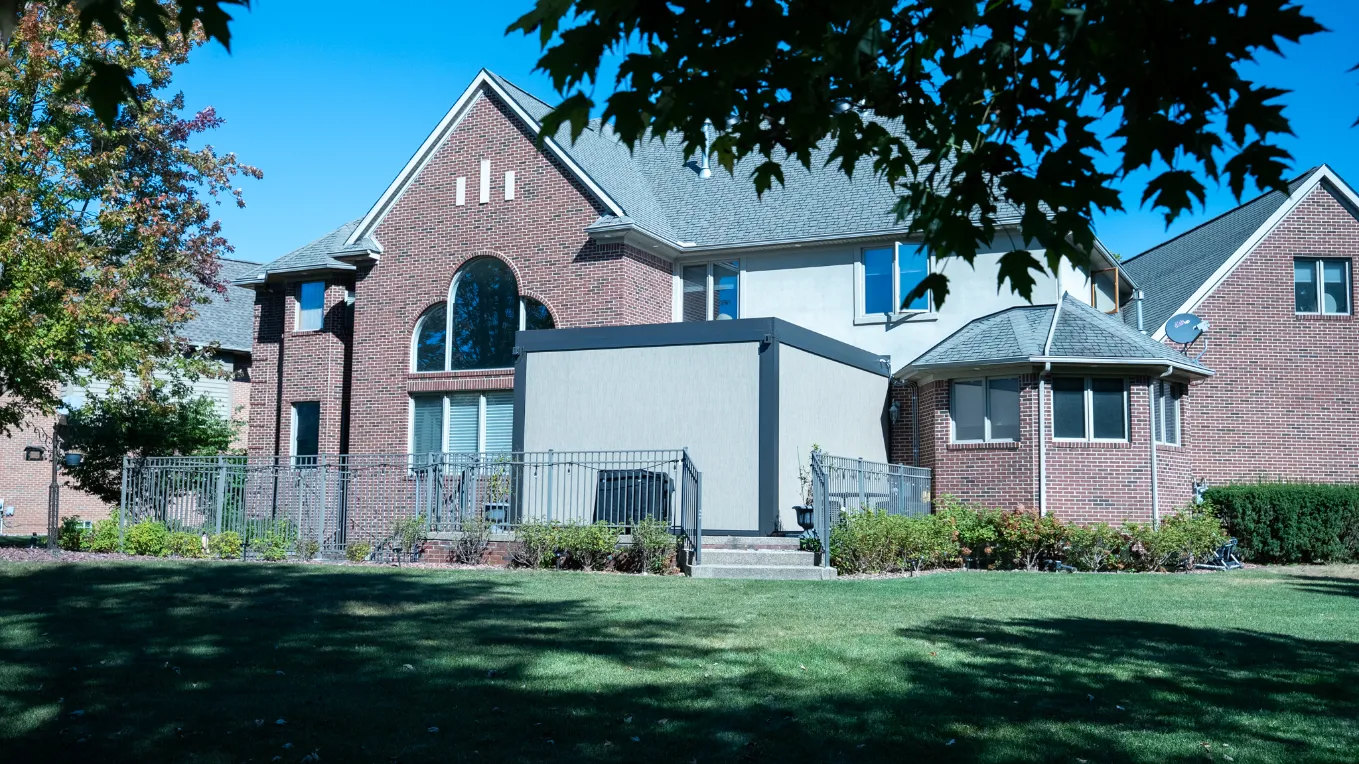
You spent real time and money getting your patio to look right, so the idea of bolting new hardware onto it makes you pause. Homeowners across Metro Detroit ask the same thing before they commit: will motorized screens ruin the patio look and the clean lines you worked hard to get?
The good news? A well-designed system protects the motorized patio screens’ aesthetic you already have instead of fighting it. Today’s screens retract out of sight, hide their hardware inside the structure, and come in finishes that match what is already there.
This guide walks through how screens actually fit a finished patio, so you can keep the look you love while you gain shade, privacy, and bug control. Stick around for all the details.
Do Motorized Screens Change How a Patio Looks?
Yes, but usually less than you picture. A retractable screen spends most of its life rolled up inside a slim housing at the top of the opening. When you lower it, you get a clean panel of mesh or clear vinyl framed by two side tracks. When you raise it, the patio reads the same as it did before you added anything.
The change is temporary, and it is in your control. You decide when the screen shows and when it disappears.
What Do Motorized Screens Look Like When They’re Not in Use?
Short answer: close to invisible. When they are not in use, the fabric coils into the housing and tucks away, so the sightlines through your patio stay open. That is the core difference in the motorized screens vs fixed screens look.
Fixed panels stay up in every season and frame your view all year, while motorized screens retract fully and leave the opening clear. In Michigan, where you only need screens for part of the year, that retractable design keeps the patio open through most of the four seasons.
Why Do Homeowners Worry Motorized Screens Will Clash With Their Patio’s Style?
Because they picture the boxy screened porch of decades past. That old look came from fixed frames, exposed tracks, and one standard color that rarely matched the house. It is a fair concern, and it is worth walking through what actually matters today.
Modern systems answer it with slim housings, concealed tracks, and custom finishes, so the screen works with your architecture rather than sitting on top of it. That matters for Metro Detroit homeowners who invested in a specific look and do not want to undo it.
Can the Screen Housing Be Hidden or Recessed Into the Structure?
Yes. The housing that holds the retracted screen can mount on the surface, or it can recess into the beam or ceiling of your structure for a hidden application. A recessed retractable screen housing design tucks the roll and the motor inside the frame, so the only thing you see is a narrow reveal. Think of it like recessed lighting: the working part sits inside the structure, and all you notice is a clean line.
The side rails follow the same idea. A hidden motorized screen track runs flush along the posts or jambs, so the guides read as part of the frame instead of an add-on.
How Can You Match Motorized Screens to Your Patio’s Existing Design?
It comes down to color, finish, and mounting choices made before installation. A screen system is measured and built for your exact opening, so the design decisions happen up front, while you can still match them to the wood tone, trim, or metal already on your patio.
What Color and Frame Finish Options Are Available?
Housings and tracks come in a range of powder-coated finishes, including bright white, bronze, black, and warm neutrals. These patio screen color options let you match the hardware to your fascia, posts, or window frames so the system blends in.
The mesh carries a color choice too. Darker mesh tends to recede against a view and sharpens outward visibility, while lighter mesh brightens a shaded corner.
Do Motorized Screens Work With an Existing Pergola or Covered Patio?
Yes, in most cases. Screens for a covered patio, porch, or pergola mount to the existing posts and headers, so you rarely need a new structure. If you already have a solid roof overhead, the screens close in the sides and make the space usable in more weather. The same holds for a traditional covered patio, where the screens work alongside the roof you already have and follow its existing lines.
What Should You Look for in a Screen System That Won’t Compromise Your Patio’s Look?
These are four features to decide whether a screen protects your patio’s look or works against it. Use this quick checklist:
- Recessed or surface housing: matched to your beam or ceiling.
- A concealed track: flush with your posts and jambs.
- Custom color and mesh: matched to your existing finishes.
- Full retraction: the screen clears the opening when the season ends.
This is where MagnaTrack by Skyview fits. MagnaTrack housings can be designed to recess into the structure for a hidden application; the tracks color-match to your patio, and the screen retracts completely out of view when you do not need it.
The MagnaTrack screens Michigan homeowners rely on suit the state’s four-season climate. They stay out of sight most of the year, then drop into place when the bugs, sun, or wind arrive.
Contact us today to set up a free consultation and find out how MagnaTrack keeps the clean, high-end look of your patio. ugh openings, fabric, and use. Set up a free consultation to learn more about MagnaTrack screens.


