

What Is a Pergola? Everything You Need To Know
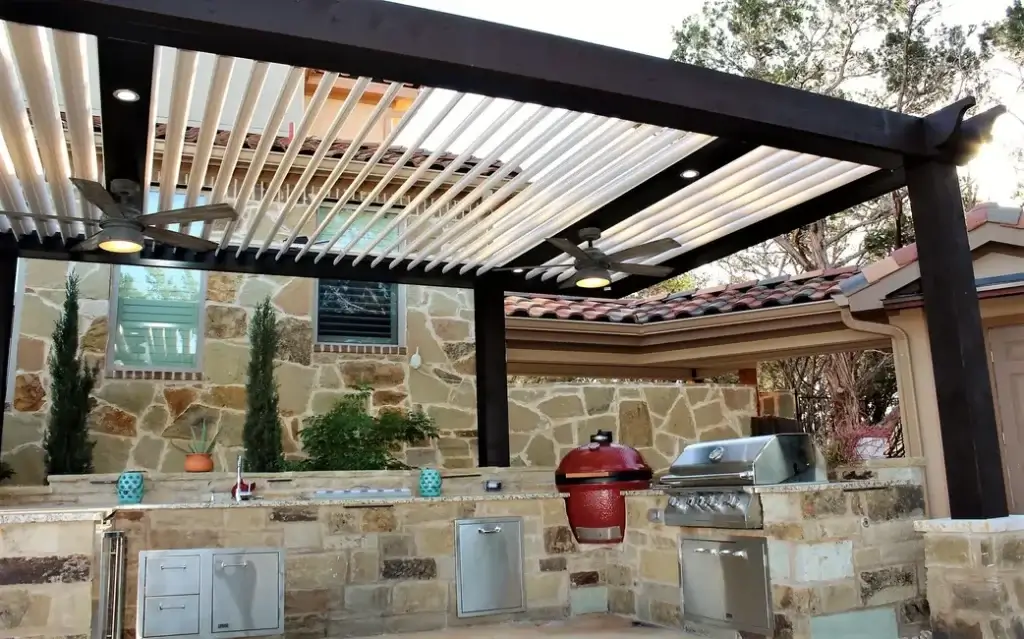
When it comes to outdoor shade structures, there’s a lot of overlap in terminology. You might see outdoor coverings called pavilions, gazebos, trellises, or pergolas. In this detailed guide, we’re going to take a deep dive into the pergola definition. You’ll find out what makes a structure a pergola, and how they differ from other structures. We’ll also explore different types of pergolas and pergola backyard ideas, and how they can improve your outdoor space.
What Is a Pergola?
A pergola is an outdoor shade structure that uses vertical posts or columns to support a semi-open roof made of beams or rafters. Rather than a solid roof covering, pergolas provide partial shade. These structures serve as more than decoration, creating defined outdoor spaces to extend a home’s usable square footage.
The space under a pergola serves as a semi-sheltered, purpose-built area for lounging, dining, or entertaining. A common question homeowners ask when exploring their options is what is a louvered pergola — and the answer lies in the roof: instead of fixed beams, a louvered pergola uses adjustable slats that rotate to control sunlight, airflow, and even rain protection on demand.
Pergolas Through the Centuries: A Brief History
The term “pergola” traces its origins back to the Latin pergola, which refers to a projecting eave. The modern spelling comes from an Italian Renaissance term meaning “a close walk of boughs.” Pergolas have existed in some form for thousands of years, supporting vining plants like grapes in ancient Egypt and Mesopotamia. They became popular for shaded walkways and garden features in ancient Roman and Mediterranean architecture. The pergola fell out of fashion with the utilitarian gardening style of the Medieval era, but made a comeback during the Renaissance.
The pergolas of the Renaissance (starting around the 16th Century) were largely decorative, allowing garden designers to create intricate flower displays in shaded areas. Today, the purpose of a pergola is for both form and function. Not only do they create an eye-catching feature for your patio, but they also provide an engineered outdoor room.
How Is a Pergola Different from a Gazebo, Arbor, Trellis, or Other Structure?
Now that we’ve defined the pergola, let’s identify some of the structures commonly mistaken for pergolas:
- Gazebo: Has a fully enclosed, solid roof (usually circular or octagonal) offering complete shade but less open-air feel than a pergola
- Arbor: Similar in shape to a pergola, but smaller, and typically used as a garden entryway while supporting climbing plants, usually includes a covered bench
- Trellis: A flat latticework panel rather than a structure you shelter under
- Pavilion: A large, tent-shaped structure with four or more posts or pillars, and a closed roof
While each of these structures has features in common with pergolas, they sit in their own distinct categories. A pergola is open enough to enjoy natural light and fresh air, but structured enough to define and shelter a space.
Comparing pergola vs gazebo comes down mostly to the shape of the structure. Unlike gazebos, which have closed and fixed roofs, pergolas are defined by their open roof design. By adding a louvered system to a pergola, you can also make that openness completely adjustable.
What Are the Main Types of Pergolas?
Modern pergolas have two primary classification groupings. Your pergola can either be freestanding or attached to the exterior wall of a building. More importantly, however, pergolas can also be fixed or louvered.
Let’s take a closer look at the different types of pergolas.
What Is a Freestanding Pergola vs. an Attached Pergola?
A freestanding pergola has four posts supporting it, allowing it to stand on its own anywhere in your yard. You can place a freestanding pergola by a pool or hot tub, or near your fire pit. It can also serve as the focal point of your garden.
Attached pergolas, on the other hand, connect directly to the home, usually as an extension of a deck or patio. This combined structure creates a seamless transitional flow between the indoor and outdoor living experience.
With Skyview’s StruXure systems, homeowners can choose from freestanding, wall-attached, or roof-mounted pergolas.
What Is a Louvered Pergola and How Is It Different from a Conventional Pergola?
Conventional pergolas have fixed beams, so the amount of shade they offer varies at different times of day. They also don’t offer any protection from rain since the beams are spaced apart. Louvered pergolas are the modern evolution of this millennia-old architectural feature. Unlike conventional pergolas, a louvered pergola has adjustable slats that rotate to control sunlight, airflow, and weather protection on demand.
Using either a manual crank or a remote-controlled motor, the StruXure system offers 170-degree louver rotation. With smart controls, you can adjust your louvers using a remote, mobile app, or even voice control. Imagine being able to adjust your shading just by speaking a few words.
StruXure louvered pergolas are the true benchmark for what a modern shade structure can do. Conventional pergolas are beautiful, but also passive. Louvered pergolas are beautiful and intelligent. If you plan to spend any time under your shade structure, a louver system is absolutely worth it.
What Is a Pergola Used For?
So what’s the point of a shade structure that doesn’t provide complete shade? What does a pergola do? While shade is an important function of a pergola, it’s far from the only thing they do. Pergolas also help delineate outdoor spaces with intention and extend a home’s living space out into the yard. While they aren’t purely decorative, pergolas offer a framework for lighting, climbing plants, screens, fans, and other attachments.
A well-designed pergola transforms an open backyard into a defined outdoor room. Set up a bistro area for outdoor dining. Entertain guests around a cozy firepit no matter the weather. Host a party under an outdoor kitchen cover. Simply lounge on a chaise in partial shade. However you choose to use your outdoor space, a louvered pergola is the perfect hybrid of indoor and outdoor living.
Do Pergolas Boost Curb Appeal and Home Value?
Yes! A well-designed pergola system can absolutely increase the value and curb appeal of your home. Outdoor pergolas enhance the aesthetic appeal of your home’s outdoor areas, and they add a substantial amount to your home’s resale value. A well-landscaped yard can add as much as 5-12% to your home’s value, and a pergola is a significant contributor to your landscaping. In particular, permanent, engineered pergolas are a desirable feature for most homebuyers.
When you add a louvered pergola to your outdoor space, you aren’t just giving your yard a makeover. You’re making an investment into your home, and the ROI is measurable if you decide to sell down the line. Premium, permanent shade structures like StruXure by Skyview are a much better investment than a prefab kit. They use concrete footings and are built to the same structural standards as a home.
What Is a Pergola Made Of?
Pergolas come in a variety of materials. Some of the most popular are wood, vinyl, and aluminum. Each material has pros and cons, so the best option depends on your specific needs and style preferences.
Wood pergolas offer a traditional aesthetic appeal, and the entry cost is lower than that of other pergola materials. However, they also require more maintenance. Wood needs repainting or restaining every few years to stay looking new. Wood is also susceptible to rot, pests, and degradation from varying climates.
Vinyl pergolas require minimal maintenance, but don’t offer as much structural capability and design flexibility as other materials.
Powder-coated aluminum pergolas are the premium choice for outdoor shade. Aluminum is naturally corrosion-resistant and requires little maintenance. The lightweight metal has a sleek, modern aesthetic and it’s engineered for strength. StruXure’s aluminum construction pergolas meet the same structural standards as a permanent home addition. Choosing an aluminum pergola benefits homeowners in terms of convenience, style, and durability.
Why Do Most Modern Pergolas Use Aluminum Instead of Wood?
The shift toward aluminum pergolas reflects a practical reality: long-term performance with almost no maintenance vs. the ongoing upkeep burden of wooden pergolas. In Detroit, Michigan’s unpredictable climate (heavy snow loads, freeze-thaw cycles, and summer heat), wood pergolas degrade faster and cost more to maintain over time than aluminum. Premium powder-coated aluminum like StruXure’s is wind-rated up to Category 5 hurricane speeds and carries a 50 lb/sq ft snow load rating, with minimal upkeep required year after year.
What Can You Add to a Pergola?
Part of the fun of customizing your pergola is adding decorative and functional elements to it. There are endless possibilities for transforming your pergola into a full outdoor living space. Some of the most popular pergola add-ons include:
Weather & Shade Control
Motorized louvers allow you to control the exact amount of sunlight in your space while blocking rain. You can also add retractable screens like Skyview’s MagnaTrack motorized screens for extra privacy, temperature control, and insect protection.
Climate & Comfort
Ceiling fans and misting systems help keep your pergola cool in the warmer summer months. For Michigan winters, infrared patio heaters or gas heaters let you enjoy the outdoor space year-round.
Lighting & Ambiance
Even after the sun goes down, adding lighting features can set the perfect mood for evening entertaining. Integrated LED lighting, wall sconces, and string lights help turn your pergola into a focal point after dark, inviting guests to relax in the space.
Entertainment
Turn your pergola into a comfy outdoor home theater built for entertainment. Mount outdoor speakers to play your favorite playlist or TVs to enjoy gameday in the fresh air.
Nature & Greenery
Train climbing plants and climbing vines up the posts and beams for natural beauty and added shade. You can also incorporate flowering plants for extra color.
Weather Protection
Pergolas are designed for natural light, but you can still enjoy your space if it starts raining. StruXure’s patented hidden gutter system channels water through the structure for smooth deflection of rain and zero leaks. Ours is the only louvered pergola with a 100% leak-free guarantee.
How Much Does a Pergola Cost, and What Should You Expect?
Naturally, one of the biggest concerns for homeowners considering a pergola is cost. A pergola is a big investment in your home, so you should weigh your options carefully.
The truth is that pergola costs vary significantly based on:
- Material: Wood vs vinyl vs aluminum
- Size: Larger pergolas cost more to build and install
- Configuration: Freestanding vs attached
- Custom outdoor features: Specialty finishes and colors, light fixtures, smart device integration
A basic wood pergola kit starts at the low end of the cost range. A fully engineered, motorized pergola made of aluminum with screens, lighting, and smart controls represents a premium investment in your outdoor space.
While it’s tempting to cut corners and reduce the cost of the project, a pergola is much more than a seasonal accessory. A StruXure pergola is a permanent outdoor structure built to residential engineering standards. Not only is a louvered pergola a more robust addition to your backyard, but it can also add significant resale value to your home.
A great way to open up new possibilities around your budget is with convenient, low-cost financing. For example, Skyview offers financing with 0% APR for 24 months.
How Do You Choose the Right Pergola for Your Space?
With so many options for pergolas, it can be overwhelming trying to choose one. Here are some of the factors you should consider when choosing a pergola:
- Size of your outdoor space: You don’t want the pergola to dominate your entire backyard, so take a rough measure of your space and get an idea of how much area you want the pergola to cover.
- Freestanding vs attached: Do you want the pergola to be an extension of your home or a defined, separate structure in the backyard?
- Material and maintenance expectations: Wood is a less expensive material to install, but you should only consider it if you’re willing to put the time and money into maintaining it. Wood pergolas also aren’t louvered like aluminum.
- Louvered vs fixed: Fixed pergolas are an inexpensive option, but they’re also much less functional than a louvered pergola.
- Integrated technology and customization: Consider custom options like automatic louvers, smart home integration, climate control systems, etc.
- Budget: It’s best to have a rough idea of what you’re willing to spend, but keep in mind that a pergola also increases the resale value of your home.
When selecting a pergola design, the key is to envision what you want your outdoor leisure time to look like. Do you want to host big gatherings or create a cozy space to relax? What is a pergola style that will match your vision? Your vision of your outdoor life will help inform what features your pergola should include.
No two homes are exactly alike, and that includes outdoor spaces. For professional advice tailored to your home’s specifications, schedule a free, no-obligation consultation with Skyview. We’ll visit your home and offer expert design tips based on your home’s layout and your style preferences. Our cutting-edge 3D rendering technology allows you to see exactly what your home could look like with one of our StruXure pergolas.
Should You Hire a Professional for Pergola Installation?
Yes, you should always hire a professional to install a pergola, especially one designed to be a permanent home addition. There are DIY pergola kits, but they don’t offer the peace of mind that comes with hiring a pro. With professional installation, pergolas are backed with warranty coverage, while you’re 100% responsible if something goes wrong with your DIY kit.
Hiring a professional also usually translates to better structural integrity and integration capability. Plus, you can leave all the site prep, building permits, and smart system setup to the installation team. Skyview employs only certified installers and backs every pergola installation with a lifetime warranty and ongoing partnership. Most Skyview projects take less than a week to install.
If you’re ready to transform your outdoor space into an all-season, weatherproof sanctuary, contact us to schedule your free design consultation. Once you choose a design, we’ll walk you through the installation timeline and give you a pricing estimate with no hidden fees.


