

What Is Composite Wood? Pros And Cons
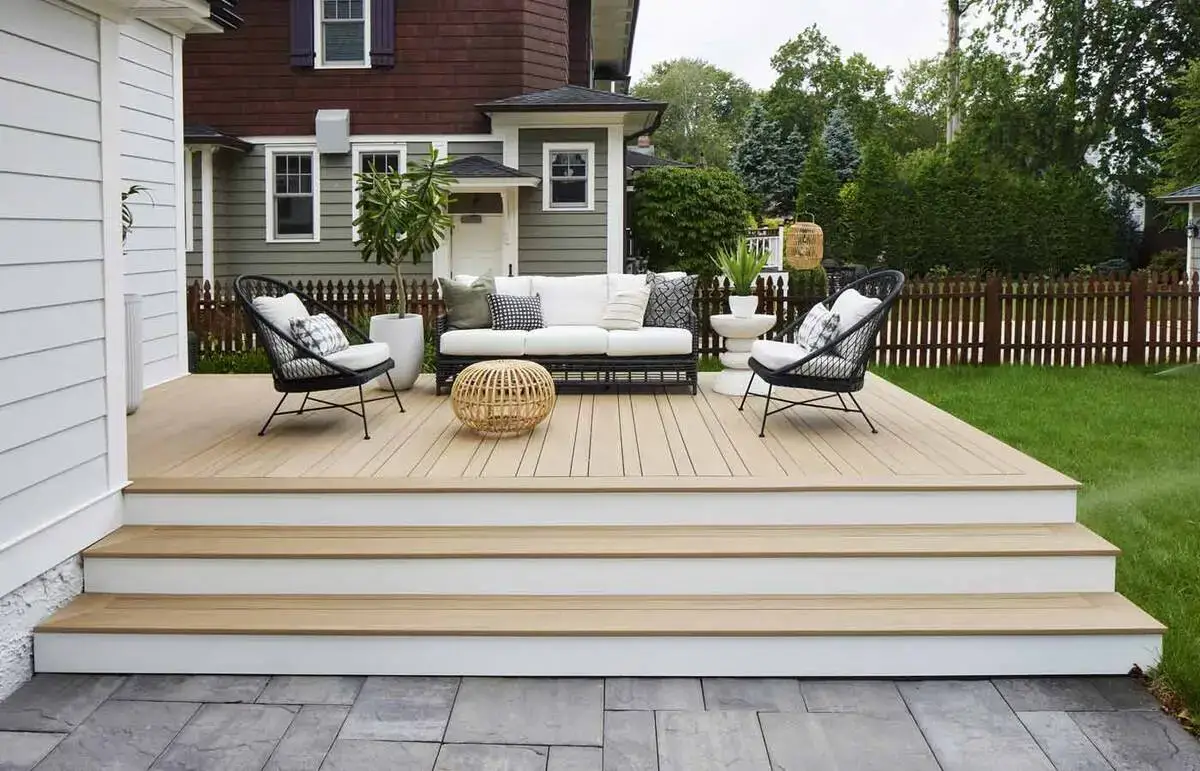
What Is Composite Wood Called, And How Is It Made?
Composite wood—sometimes called engineered wood or manufactured board—has emerged as a sophisticated solution that combines resource efficiency with versatility. Unlike solid wood, composite wood is made from a blend of wood fibers, sawdust, or chips bonded with adhesives or resins, resulting in boards and panels with highly consistent quality and distinct performance benefits. These innovative materials have elevated the possibilities for both construction and furniture design, offering homeowners and business owners newfound flexibility, aesthetic options, and sustainability.
Reach out to Skyview for a consultation!
What is Composite Wood?
Composite wood goes by many names, including engineered wood, manufactured board, man-made board, and composite panel. Composite wood is a man made material composed of wood fibers and other materials such as plastics and bonding agents, which enhance its durability and performance. These industry terms refer to more than a single product; they cover a category of building materials crafted by binding together wood particles, fibers, or veneers with adhesives or other methods. Each type is precisely engineered for optimal strength, stability, and consistency—traits that often surpass those of traditional timber in certain applications, as they are engineered to closely mimic the appearance and texture of real wood.
Popular Examples Of Composite Wood
Among the most recognized examples of composite woods are MDF (Medium Density Fiberboard), particleboard, plywood, and WPC (Wood Plastic Composite). Each offers a unique array of strengths, from the smooth surface of MDF ideal for cabinetry to the robust weather resistance of WPC, which is commonly used for deck boards in outdoor applications. Plywood delivers exceptional structural integrity for floors and walls, while particleboard is a budget-friendly option often used in furniture cores. These products demonstrate the remarkable diversity and utility found within the composite wood family.
How Is Composite Wood Produced?
The manufacturing process of composite wood begins by gathering wood byproducts—fibers, chips, or shavings—which are then carefully dried and combined with resins or adhesives. Additives such as UV stabilizers are often included to improve durability and resistance to sunlight. Many composite materials are made from recycled materials, such as recycled plastic and wood fibers, enhancing their sustainability. This mixture is pressed under high heat to form dense, uniform boards or panels. The result is a composite material engineered for a precise balance of strength, durability, and flexibility, free from the knots, splits, and natural inconsistencies found in solid wood. Innovations in technology have further enabled the creation of composites that mimic the grain and color of real wood, broadening their decorative appeal.
Primary Uses Of Composite Wood
Composite wood has transformed the worlds of construction and design. Its uses range from furniture and cabinetry to flooring, wall paneling, and even outdoor decking. In particular, composite decking products have become popular for creating attractive and durable outdoor spaces, offering low maintenance, resistance to rot, and a realistic wood-like appearance. In homes and businesses alike, engineered wood products provide stable, attractive, and cost-effective alternatives to solid timber. Their uniformity allows for efficient fabrication and installation, while their resistance to warping and shrinking ensures longevity in variable climates.
Key Features Differentiating Composite From Solid Wood
Perhaps the most significant distinction lies in performance. Composite wood is celebrated for its stability, resistance to deformation, and ability to be produced in large panels. It often incorporates recycled materials, making it a sustainable choice compared to traditional wood. As an eco friendly option, composite wood not only reduces waste but also requires minimal maintenance, resulting in lower emissions over its lifespan. While it lacks the unique character of natural wood grain, composite wood offers consistent aesthetic appeal through a variety of finishes, colors, and textures. Its consistency, adaptability, and cost-effectiveness have made it indispensable for both homeowners seeking reliability and business owners desiring precision and value.
5 Composite Wood Pros: Is Composite Wood Good For Building A Deck?
Composite wood has become a leading choice for modern deck construction, thanks to its blend of innovation, beauty, and lasting performance. The key advantages and pros of composite as a decking material include exceptional durability, low maintenance, and a wide range of aesthetic options that mimic natural wood, making it a versatile choice for any new deck project. If you’re considering upgrading your home or business exterior, a composite wood deck offers impressive benefits that far outshine traditional timber in crucial ways. Composite decking offers long-term value, making it a worthwhile investment due to its resistance to weathering, minimal upkeep, and eco-friendly properties. Its robust construction makes it ideal for withstanding the demands of daily life and the unpredictability of the elements, and choosing composite as your deck material can also enhance your property value by improving outdoor living space and curb appeal. Whether you desire an elegant patio for gathering with family or a welcoming outdoor space to impress clients, composite decking is up to the task.
1. Durability And Weather Resistance
Composite wood is engineered for unwavering durability, making it an ideal choice for outdoor use. The durability composite wood provides means it stands up to harsh weather, resists warping, splintering, and cracking, and is highly resistant to insect damage such as woodworms and beetle infestations—problems common with natural wood. Unlike traditional wood, composite wood also resists fading from UV rays, maintaining its vibrant color over time. Many composite decking products are scratch resistant, helping them maintain a like-new appearance even with heavy use. With UV inhibitors and waterproofing agents, your deck retains its finish and integrity for years with minimal signs of aging. This superior weather resilience translates into a longer-lasting enhancement to your property’s outdoor appeal.
2. Low Maintenance And Resistance To Issues
One of the most celebrated features of composite decking is its remarkably minimal maintenance requirements. Unlike traditional wood, composite boards do not require annual maintenance such as sanding, sealing, or staining. Regular maintenance is limited to occasional cleaning with soap and water, making upkeep simple and convenient. This minimal maintenance approach means composite decking is especially appealing to homeowners with different maintenance preferences, offering a cost-effective and time-saving solution. Moreover, they are immune to the frustrations that plague wood—rot, insect infestations, and even mold are rarely an issue. This means peace of mind for property owners who value their time and investment.
3. Aesthetics And Range Of Finishes
Modern composite wood decks are engineered to closely mimic the natural beauty and natural look of real wood, complete with rich grains and a range of refined colors. This realistic appearance enhances the aesthetic appeal of outdoor spaces, making them more attractive and inviting. Composite decking can be selected in colors and styles that complement or contrast with your home’s exterior, allowing you to achieve the perfect visual harmony or bold statement. While innovative manufacturing processes help hues remain stable, it’s important to note that darker shades of composite decking may be more prone to fading over time. Whether your vision is rustic retreat or contemporary chic, composite decking provides endless design possibilities for stylish and functional outdoor spaces.
4. Cost Comparison: Composite Deck Vs Wood Cost
It’s natural to ask, “Is composite wood worth the investment?” While the upfront price of a composite deck is generally higher than natural wood, the long-term savings are substantial. To determine if composite decking is worth it, consider the pros and cons: composite decking offers low maintenance, durability, and resistance to fading, warping, and pests, but comes with a higher initial cost. Factor in its nearly maintenance-free profile and extended lifespan—often 25 years or longer—and the true value becomes clear. Unlike wood, there are no recurring costs for stains, sealants, or repairs from rot and pests. Over the life of your deck, composite typically works out to be the more cost-effective choice.
5. Eco-Friendliness And Sustainability
For the environmentally conscious, composite wood offers an outstanding green edge. Many products use recycled plastics and reclaimed wood fibers, reducing landfill waste and reliance on virgin timber. With less need for chemical treatments and fewer trees felled for decking, choosing composite is a win for both your property and the planet.
Ideal Applications For Composite Decking
Composite decks are perfectly suited for a broad range of settings—residential patios, pool surrounds, rooftop terraces, and even high-traffic commercial spaces. Their combination of beauty, performance, and minimal upkeep allows you to create inspiring outdoor environments with elegance and ease. Whether your aim is a private backyard sanctuary or an inviting public-facing addition, composite decking from Skyview delivers lasting value with effortless style.
4 Cons Of Wood Composite? Negatives Of Composite Decking
While composite wood products have transformed the decking and construction landscape, it is important to weigh both the pros and cons of composite materials. There are several factors to consider when choosing decking materials, including budget, maintenance, climate, and potential issues like fading. Despite their many virtues, the cons of composite include a higher initial cost, potential for color fading, heat retention, scratching, toxicity concerns, and more challenging end-of-life disposal. Understanding these limitations facilitates a more informed, confident choice for your space.
1. Higher Upfront Cost Versus Traditional Wood
The most immediate and noticeable disadvantage of wood composite is its elevated initial cost. Unlike pressure treated pine and other wooden decks, which tend to be affordable upfront, composite materials require a larger investment at the start. Pressure treated pine is a common choice for traditional wooden decks due to its lower price and enhanced resistance to rot, decay, and insects, though it does require regular upkeep. This higher price for composite reflects both the manufacturing process and advanced features—like fade resistance and durability—but it can still be a barrier for budget-conscious renovations or new installations. It’s important for buyers to factor in long-term savings on maintenance, though the increased outlay can delay the break-even point for some homeowners.
2. Potential For Color Fading And Discoloration
Although composite decking is engineered to be more fade resistant than many natural woods, it is not entirely immune to UV light and environmental factors. Over several years, especially in sunny climates or areas exposed to harsh weather, colors may gradually fade or turn uneven. This aesthetic change doesn’t typically affect the structural integrity, but can detract from the deck’s original elegance and uniform appearance. Some manufacturers offer fade and stain warranties, but it’s wise to review specific product performance in real-world conditions.
3. Heat Retention In Direct Sunlight
Another concern with wood composite is its tendency to retain heat. Darker composite boards can become hot to the touch during summer months, making them less comfortable for bare feet and pets compared to many traditional woods. If your outdoor area is exposed to direct sunlight for extended periods, this is a practical factor to consider during the planning phase—lighter color choices may help mitigate the effect somewhat.
4. Scratching And Surface Damage Concerns
Although highly resistant to rot and insects, composite decking can be vulnerable to scratching and gouging, particularly from dragging heavy furniture, pet claws, or dropped tools. While minor marks can sometimes be sanded out or blend over time, deep scratches may require board replacement. Choosing reputable, high-quality brands and using protective furniture pads can extend surface appearance, but users should avoid assuming composite is indestructible.
Is Composite Wood Toxic?
Modern composite wood is generally safe, but some products—especially those manufactured with formaldehyde-containing resins or certain adhesives—may use off-gas volatile organic compounds (VOCs). This concern is most relevant indoors, yet sensitive customers and sustainable-minded consumers often look for certifications like CARB Phase 2 or GREENGUARD to ensure low emissions. Reading product disclosures and asking for clear information helps alleviate health worries and supports healthier living spaces.
End-Of-Life And Environmental Disposal Issues
Composite decking materials can pose a challenge for end-of-life disposal. Because they blend wood fibers with plastic and adhesives, recycling options are currently limited compared to pure wood. Many regions landfill old boards, presenting sustainability concerns and diminishing the green profile of some composite brands. As technology advances, more manufacturers are prioritizing recyclable or take-back programs, but assess the specific product’s life cycle before making a final decision.
Potential Water Absorption And Swelling
If composite boards are inadequately sealed or damaged, they may absorb water, leading to swelling or compromised structural stability over time. Modern capped composites greatly reduce this risk, but older or lower-quality products merit regular inspection. Proper installation and maintenance are vital to ensure long-lasting performance and beauty.
Will Dog Pee Ruin Composite Decking? Maintenance Tips
For pet owners considering a composite wood deck, it is natural to wonder whether pet accidents, especially dog urine, will cause lasting damage. The reassuring answer is that while dog pee can cause stains and odors if left unattended, composite decking is engineered to be highly resilient and far less susceptible to damage compared to traditional wood. Proper care and timely cleaning ensure that pets and luxurious outdoor living can coexist beautifully.
How Does Composite Decking React To Pet Urine?
Composite wood decks are typically made from a blend of recycled wood fibers and plastics, creating a non-porous, durable surface. This means that while liquid accidents may momentarily sit on the surface, they are less likely to be absorbed and cause internal damage or permanent stains, unlike natural wood, which can quickly soak up fluids, leading to foul odors and rot over time. However, some lower-quality composites might absorb a bit more than premium boards, so investing in high-grade materials from reputable brands like Skyview can make a notable difference.
Cleaning And Stain Removal Methods
If an accident occurs, prompt action is key. Simply rinse the affected area with warm water and a mild, pet-safe soap, then gently scrub with a soft brush if necessary. For tougher stains or lingering odors, a diluted vinegar solution can be effective without harming a composite wood deck. Avoid using harsh chemicals or abrasive tools, as these can damage the protective finish. Most composite surfaces will not discolor or retain odors when cleaned promptly, maintaining their elegant appearance for years.
Composite Decking Vs Natural Wood Performance With Pets
Compared to natural wood, composite is undeniably more pet-friendly. Traditional wood absorbs moisture, leading to warping, splitting, and the potential for pet urine to create costly problems beneath the surface. Composite, on the other hand, is designed to resist these issues, greatly reducing ongoing maintenance. Even with active pets, your deck remains a welcoming, luxurious retreat for both two-legged and four-legged household members.
Preventative Care Tips For Pet Owners
To prolong your deck’s beauty, consider establishing designated potty spots away from the deck and installing mats or artificial turf nearby. Sweeping and rinsing your deck regularly also helps prevent debris and pet hair from accumulating, making it easier to spot—and address—any accidents. Periodic deeper cleans, such as with a gentle composite decking cleaner, will keep your outdoor space sparkling and odor-free year-round.
Durability Of Composite Deck Surfaces With Regular Use
High-quality composite wood decks are engineered to withstand heavy foot traffic, claw marks, and the inevitable messes of outdoor entertaining and everyday living. With a little care, composite decking remains elegant and inviting, supporting the lifestyles of both families and their furry companions. If you’re looking to combine sophistication with practicality, composite is a top choice, offering peace of mind no matter how boisterous your pets may be.
Elevate your outdoor living with a composite deck from Skyview Detroit—where durability meets sophisticated design. Enjoy a space that’s as welcoming to your pets as it is to your guests, backed by innovation and tailored elegance to complement your unique lifestyle.


