

Is It Better To Attach A Deck To A House Or Not?
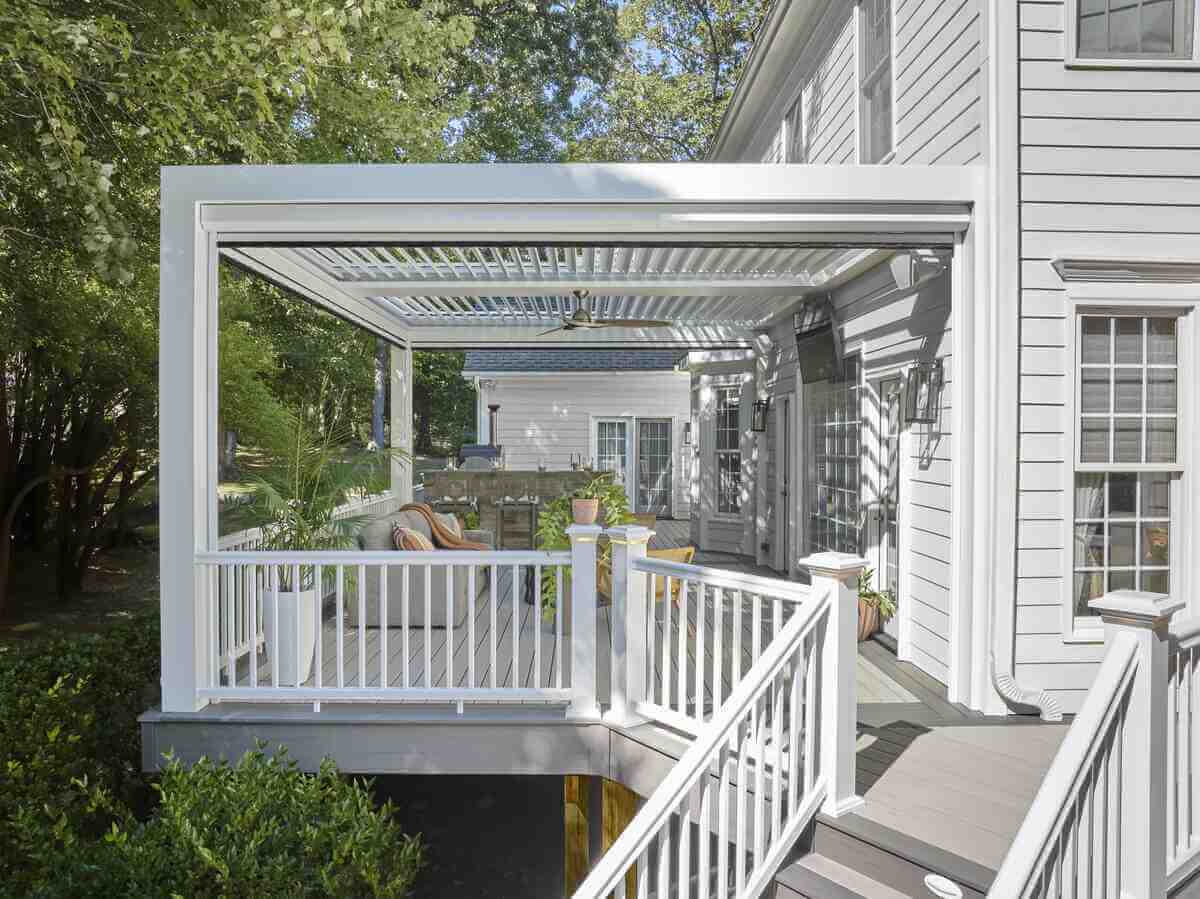
Should A Deck Be Attached To The House?
Deciding whether to attach a deck to your house or keep it freestanding is an important consideration for homeowners and business owners seeking both beauty and durability in their outdoor spaces. Attaching a deck provides unmatched stability and can integrate seamlessly with the architecture of your property, but it also comes with code requirements and potential risks like water intrusion. Conversely, a freestanding deck offers flexibility and may help avoid certain complications, especially in challenging site conditions or with historic buildings.
Schedule your consultation with Skyview today!
Overview Of Deck Types: Attached Vs Freestanding
Attached decks are structurally connected to the house, typically via a ledger board. This connection provides a sturdy platform that often feels like a natural extension of your indoor living space. By contrast, a freestanding deck is self-supported and does not rely on the house for support. These decks can stand anywhere in your yard, including directly next to the house, offering a versatile solution for all property types.
Benefits Of Attaching A Deck
Choosing an attached deck comes with distinct advantages—chief among them is stability. By anchoring your deck to the house under the deck attached to house code, you gain a robust structure that can handle heavier loads and larger gatherings. Attached decks may also allow for more sophisticated design options, such as smooth transitions between indoors and outdoors via patio doors or seamless steps. The overall appearance tends to be more cohesive and integrated, enhancing your property’s elegance and function.
Potential Risks: Water Intrusion And Code Compliance
Despite the appeal, attaching a deck does introduce certain risks. A poorly executed connection can allow water to penetrate the siding, causing rot, mold, or structural damage over time. Ensuring proper flashing and following local codes is paramount. Many municipalities enforce specific requirements for ledger boards, fasteners, and waterproofing to guard against these issues. Consultation with professionals like Skyview can help ensure your deck meets or exceeds code, safeguarding both your investment and the integrity of your home or business.
When A Freestanding Deck Is Preferable
Sometimes, a freestanding deck is the wiser choice. If your home has brick or stone veneer, a sensitive foundation, or historic status, direct attachment may compromise structural or historical integrity. Freestanding decks offer design freedom and minimal risk of water intrusion since they stand independently. They’re also favored in jurisdictions with strict permit requirements, simplifying compliance and sometimes avoiding additional engineering costs.
Code Requirements And Key Considerations
Whether you ultimately choose an attached or freestanding deck, understanding code requirements is crucial. The International Residential Code (IRC) and local amendments specify how decks must be constructed and anchored for safety. Homeowners often ask, “Do I need to attach the deck to the house?” The answer depends on your desired use, design, and local regulations. Working with an experienced partner like Skyview ensures your deck not only looks stunning but meets all safety and structural standards, providing a lasting source of pride and enjoyment.
Should Decking Be In Contact With The House?
When designing a beautiful and enduring outdoor space, it is crucial to consider whether decking should be in direct contact with your home’s exterior. Generally, the answer is no; decking boards should not directly touch the siding or wall of your house. Maintaining a slight gap is essential for proper ventilation, moisture control, and long-term structural integrity. Addressing this detail carefully can prevent expensive repairs and extend the life of your deck and home.
Pros And Cons Of Direct Contact With The House Structure
At first glance, placing deck boards flush against your home might seem neat and space-efficient. However, this practice can trap moisture between the deck and the house, leading to rot, mildew, and compromised structural elements. On the other hand, a small gap (typically 1/4 inch or more) allows air to circulate, promoting drying after rain or cleaning. This approach keeps both the deck framing and your home’s cladding safe from constant moisture exposure, which is one of the leading causes of water intrusion problems.
Waterproofing And Moisture Management Considerations
Waterproofing is a critical aspect of deck construction. An effective waterproofing system begins with the installation of metal flashing at the point where the deck meets the home. Flashing helps direct water away from the house and protects vulnerable framing components. Without this barrier and appropriate separation, moisture accumulation can undermine even the highest quality lumber and fasteners. Expertly installed flashing, paired with an intentional gap, is one of the best ways to safeguard your investment and the safety of those who use the deck.
Best Practices For Flashing And Separation
Whether you’re opting for an attached deck or a free-standing deck next to the house, incorporating a continuous, corrosion-resistant flashing beneath the door threshold and ledger board provides a robust defense against the elements. Always ensure that the deck boards run perpendicular to the house and stop just shy of the siding or cladding. This leaves sufficient room for thermal expansion, contraction, and cleaning. For floating or freestanding decks close to the house, you can enhance moisture control with a weed barrier and gravel strip between the deck and foundation.
Common Code Requirements Around Deck Framing And House Connection
Local building codes like the deck attached to house code are specific about how decks should be connected to ensure durability and safety. Codes typically require spacing between decking and the house, plus proper flashing and weatherproofing. These guidelines aren’t just bureaucratic—they’re founded on decades of building science that demonstrates the risks of poor moisture management. Always check with local authorities or a trusted contractor like Skyview to ensure your project meets every code requirement, protecting both your property and loved ones for years to come.
Do I Need A Permit For A Deck Not Attached To A House?
Understanding whether you need a permit for a deck not attached to a house is essential for every homeowner or business owner considering new outdoor spaces. The requirement for permits can vary based on local building codes, deck height, and intended use, but many municipalities require permits for most types of decks—attached or not. Generally, permits ensure safety, code compliance, and peace of mind, protecting your investment and everyone who enjoys your deck.
When A Permit Is Required For Attached Versus Freestanding Decks
Most local codes require a permit for freestanding deck structures over a certain size or height (commonly over 30 inches above ground). However, even a low-profile deck—also known as a floating deck—may need a permit depending on its size, proximity to property lines, and the region’s regulations. Attached decks almost always require permits since they impact the structural integrity of your home and interfaces such as doors, windows, and exteriors. For both types, it is crucial to check with your local building department for the specific requirements before construction begins.
Definition Of A Freestanding Deck And A Floating Deck
A freestanding deck is self-supporting and does not rely on the house for stability, while a floating deck is a form of freestanding deck typically not anchored deeply (it may simply rest on the ground or concrete piers). These decks offer excellent flexibility in placement, especially in areas where attaching to the house is impractical or not advised. Yet even these require attention to code compliance, safe construction techniques, and long-term stability.
Considerations For Building Close To The House Without Direct Attachment
If you prefer your deck to sit adjacent to your property without being attached, it’s important to ensure proper water drainage and airflow between the house and deck. This minimizes the risks of moisture intrusion, siding damage, or pest infestations. Leave a small gap—typically between 1-2 inches—between the deck and the house. Install proper flashing along the house wall and use rot-resistant materials for the deck frame to extend longevity and maintain a healthy building envelope.
Examples Of Freestanding Deck Plans And Compliance Tips
Freestanding deck plans can range from simple platforms to elaborate, multi-level outdoor retreats. When designing your own, factor in foundation requirements, materials suited for your climate, and accessibility features. Always include steps and guardrails if the deck’s height warrants it, and consider how utilities like lighting or irrigation might be integrated safely. As you plan, keep meticulous drawings and specification lists—these are invaluable for the permit process and future maintenance. Consultation with the professionals at Skyview can ensure your deck dreams take flight, safely and stylishly, tailored to both your aspirations and local regulations.
Does Adding A Deck To Your House Increase The Value?
Does adding a deck to your house increase its value? Absolutely—both attached and freestanding decks have the potential to elevate a property’s appeal and market price. A well-designed deck not only expands living space but also enhances a home’s curb appeal and connects indoor comfort with the joys of outdoor living. While market preferences and local trends play a part, most real estate professionals agree that a quality deck can offer one of the highest returns on investment for exterior home improvements.
The impact often depends on the deck’s design, size, and connection to the house. An attached deck integrated with the home’s architecture seamlessly becomes an extension of your indoor space, supporting dining, entertaining, or relaxation. This cohesiveness is especially attractive to prospective buyers, who visualize a fluid lifestyle that transitions effortlessly from the living room or kitchen to the outdoors. Conversely, a freestanding deck—while flexible and sometimes less costly—may be less impressive at first glance, but still provides additional outdoor functionality. For homeowners seeking adaptability or specific zoning solutions, a detached or floating deck can make a distinctive statement and appeal to design-savvy buyers.
How Much Does It Cost To Build A Deck Attached To A House?
Generally, the cost of building an attached deck varies based on a range of factors, including materials (wood, composite, PVC), the complexity of the design, the size, local code requirements, and permit fees. Most attached decks run between $25 and $60 per square foot, with higher-end materials and multi-level designs reaching upwards of $80 per square foot or more. Labor rates, landscape challenges (such as grading or foundation work), and the addition of features like custom railings, lighting, or integrated seating also influence the final price. In contrast, a free-standing deck might save on attachment costs and structural reinforcements, but could require extra materials for added stability.
Market Value Impact: Attached Vs Freestanding Decks
Attached decks typically offer a greater perceived value, as they become part of your home’s core footprint both functionally and visually. Buyers often see these decks as a bonus room—a place for barbecues, entertaining, and relaxation that’s easy to access. Data from industry experts show that adding an attached deck can recoup 65-75% of the initial investment in increased home value, depending on the region. Meanwhile, freestanding decks provide value in their own right, but may not garner quite as high a return, especially if they are small or located far from primary living spaces.
Curb Appeal And Outdoor Luxury
The allure of a beautiful, thoughtfully constructed deck attached to the house cannot be overstated. Not only does it provide tangible square footage for gatherings and daily relaxation, but it also gives a home a sense of harmony and luxury that resonates with buyers and guests alike. Even a freestanding deck—placed with intention among gardens or under mature trees—can add charm and create memorable outdoor vignettes. When choosing between the two, consider your lifestyle needs, future marketability, and available budget.
If you’re ready to elevate your home or business with the timeless elegance of a custom-crafted deck, Skyview is here to bring your vision into stunning reality. Discover the transformative difference and lasting value of an outdoor living space designed to impress—experience the artistry, function, and sophistication that only Skyview Detroit can deliver.


