

Arbors Vs. Pergolas: What Is The Best Choice For Your Outdoor Space?
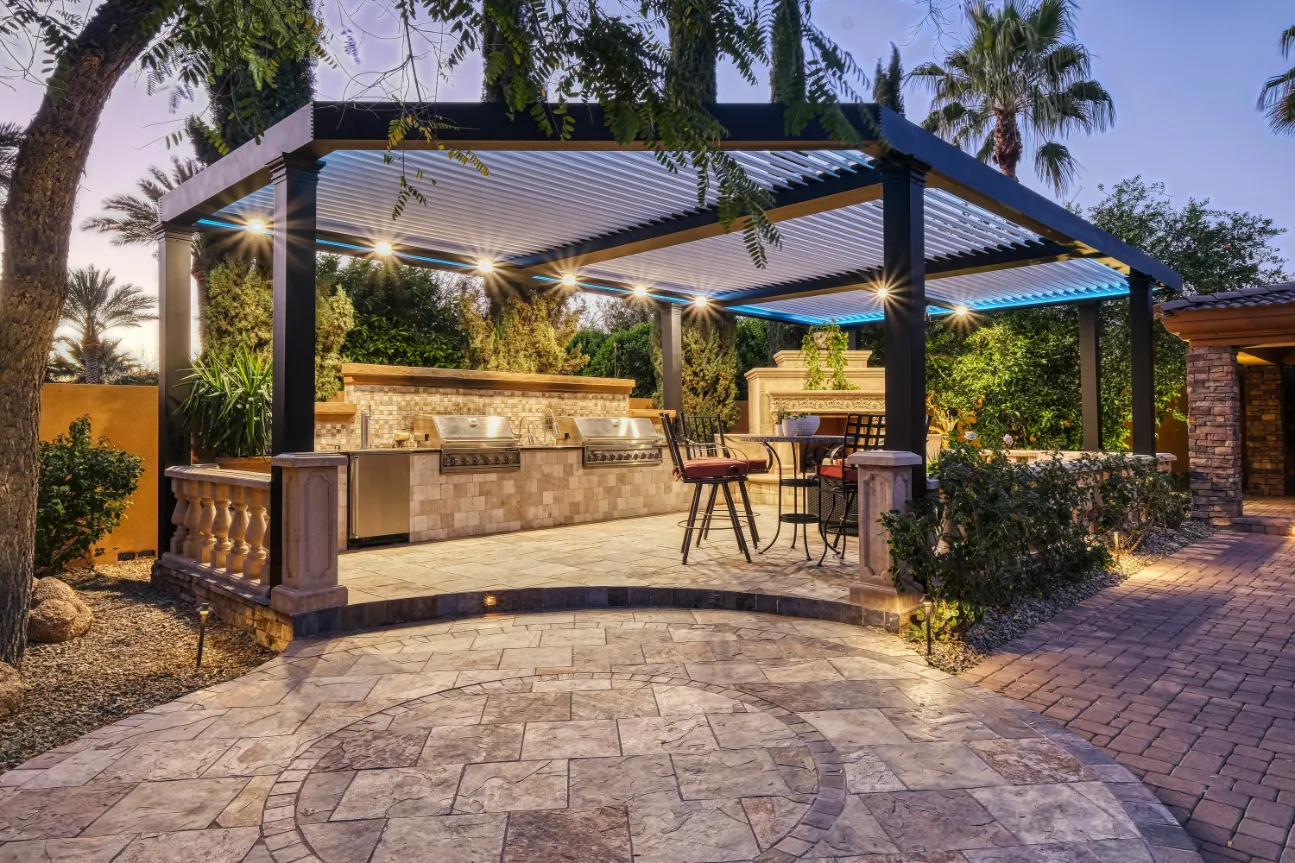
If you’ve been comparing outdoor structures for your backyard and keep running into confusion over the terminology, you’re not alone. The arbors vs. pergolas debate gets confusing fast in home and garden content, especially when gazebos get mixed into the conversation. But the difference between arbors and pergolas matters a lot before you commit to a direction. This guide covers everything you need to make a confident call.
In Michigan, the weather doesn’t give you much slack. Cold winters arrive early, and summers push past 90°F, so the outdoor structure you choose has to earn its place in your yard.
Read on, and you’ll know which one fits your space.
What Is the Difference Between an Arbor and a Pergola?
The core difference between an arbor and a pergola: An arbor is a small, decorative garden accent. A pergola is a larger, purpose-built structure that defines usable outdoor space.
Both are open-air. The similarity ends there. An arbor is a compact arch or freestanding frame, often covered in climbing plants, used to mark a transition in a garden. A walkway entrance, a garden gate, a visual break between sections of a yard. Its job is ornamental.
A pergola is built on a different scale. It spans a patio or deck, creates shade, and in louvered versions closes out rain for year-round use. Most modern pergola features include integrated lighting, motorized screens (retractable panels that seal off one or more sides of the structure at the push of a button), heating, and fans. An arbor doesn’t have these features. That’s not a flaw. It just wasn’t designed for that job.
What Is an Arbor Actually Designed to Do?
An arbor marks a transition rather than creates a destination. It’s compact by design, typically just wide enough for a person to pass through, and works well as a plant support for climbing vines, a decorative gateway, or a visual accent at the edge of a yard. As an arbor for garden use, it’s a clean, low-footprint choice. But if you want to sit, dine, or entertain with real overhead protection, you need something built for that.
How Do Pergola vs Arbor Differences Affect an Outdoor Living Space?
The differences come down to four things:
- Size and coverage: Pergolas span patios, decks, and outdoor entertaining areas. Arbors are compact, usually wide enough for a single entry point.
- Purpose: A pergola creates a defined outdoor living space. An arbor accents and guides. It isn’t a destination.
- Shade and shelter: A pergola for a patio gives meaningful sun coverage. A louvered pergola (one with adjustable slats that rotate to control light and seal out rain) goes further still. An arbor provides minimal functional shade.
- Customization: Pergolas support integrated lighting and smart controls, motorized screens, outdoor kitchens, and heating. An arbor is a largely static structure.
When Does a Pergola Make More Sense Than an Arbor?
Short answer: If you want to entertain, relax, or create a genuine outdoor living space, a pergola is the right structure.
An arbor handles its role well: a plant support, a decorative arch, a visual accent. But if you want to entertain, find shade on a July afternoon, or push your outdoor season into fall, you need a pergola. An arbor won’t get you there. For a full look at pergola types and builds, our full pergola guide covers all of it.
Michigan homeowners feel this more than most, as the comfortable outdoor season is short, and a well-built pergola helps it last longer.
What Can a Modern Louvered Pergola Do That a Traditional Structure Can’t?
A standard open-beam pergola gives you fixed shade. It looks good, but it doesn’t adjust, doesn’t close when rain comes in, and doesn’t do much for you once temperatures drop.
A StruXure louvered pergola works differently. The adjustable aluminum louvers rotate to control sunlight, and when rain comes, they close completely. Motorized screens can enclose two or three sides of the structure. Think of it like a convertible top for your outdoor room: you decide how open the space is, and when the weather turns, it closes in seconds. That’s what makes it a four-season outdoor space, not just a summer feature.
Once you’ve decided a pergola is the right structure, the next call is material. Aluminum and steel are the two main options, and the differences between them matter more than most people expect — especially in Michigan’s climate. Our breakdown of steel vs. aluminum pergola pros and cons covers everything you need to make that decision with confidence.
How Do You Choose the Right Outdoor Structure for Your Home?
A few practical questions cut through the decision quickly:
- Intended use: Garden accent or outdoor room? The answer points directly to the right structure.
- Space available: A pergola needs room to function well. Arbors fit nearly any yard.
- Year-round use: Southeast Michigan homeowners who want four-season outdoor use will find that a louvered pergola with smart automation is the best solution.
- Long-term value: A well-built pergola adds genuine property appeal and more usable space. An arbor adds charm. Both have their place.
One question that comes up often once a pergola is in the plan: can it be built over an existing or planned fire pit? The answer is yes — with the right setup. Our guide to building a pergola over a fire pit covers the materials, clearance requirements, and safety precautions that make it work.
For most Metro Detroit homeowners, a pergola is the answer. Skyview designs and installs StruXure louvered pergolas built for the way Michigan homeowners actually live. Reach out today to schedule a free consultation and take the first step toward a StruXure pergola built for your space.


