

How Much Does a Screened Porch Cost in 2026 for Michigan Homeowners?
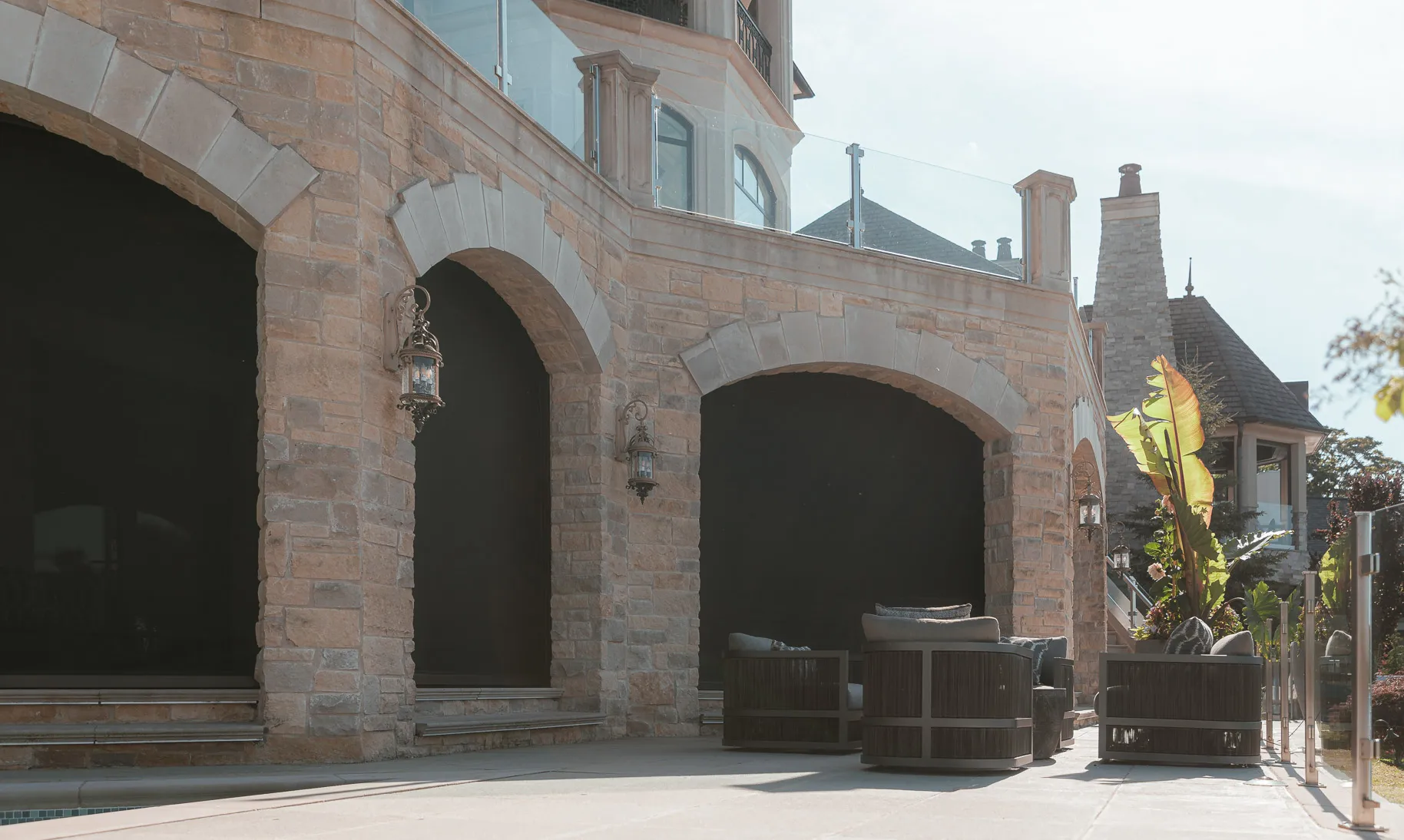
A screened porch in Michigan typically runs about $2,000 to $30,000 or more, depending on whether you screen an existing structure or build new. Screening an existing covered porch usually lands around $2,000 to $6,500 per opening (roughly $10 to $25 per square foot), while a full ground-up build with footings, framing, and a roof costs considerably more — commonly $25 to $175 per square foot before the screens go up.
You want a porch you can sit on in July without swatting at mosquitoes, and you want a real number before you invite anyone out to measure. Then you start searching, and the national cost guides hand you a range so wide it covers both a light retrofit and a full room addition.
The good news? Screened porch cost in Michigan gets predictable once you split the project into its two real parts: the structure that holds everything up, and the screens that close it in. Most of the confusion online comes from guides that price one of those and quietly skip the other.
This guide covers what a whole project runs, what moves the number, and where Michigan adds line items warmer states never deal with. Here’s what you need to know before you set a budget. Stick around for all the details.
Key Takeaways
- Screening an existing covered porch typically costs about $2,000 to $6,500 per opening, or roughly $10 to $25 per square foot — the lightest and most affordable path.
- Building new and then screening runs far higher, commonly $25 to $175 per square foot, because you pay for footings, framing, a roof, and electrical first.
- A multi-opening motorized project in Michigan commonly lands between $8,000 and $25,000 once fabric and controls are included.
- Cost drivers are opening count and width, structure condition, electrical access, screen type, and whether you choose manual, motorized, or MagnaTrack motorized screens.
- A screened porch adds resale value — the Remodeling “Cost vs. Value” report shows exterior/outdoor-living projects among the stronger performers, though returns are an estimate, not a guarantee.
- Permits vary by Michigan municipality and most porch projects touch structure or electrical, so factor in a modest fee plus review time.
- All figures here are planning ranges; an accurate number comes from an in-home measurement. Get your free quote.
How Much Does a Screened Porch Cost in Michigan in 2026?
Short answer: two very different projects share the same name, and the price gap between them is wide.
Screening an existing covered porch, patio, or pergola is the lighter path, because the expensive part is already standing.
A multi-opening motorized screen project in Michigan commonly lands between $8,000 and $25,000, with per-opening pricing that shifts based on size and fabric. Building a new structure first and then screening it is a different budget entirely, since you pay for footings, framing, a roof, and electrical before a single screen goes up.
Pricing a screened porch off the screen quote alone works about as well as budgeting a kitchen remodel off the cabinet estimate. Cabinets are the part you actually look at, and they are nowhere close to the whole invoice.
Screened porch cost in 2026 also reflects a material and labor market that settled higher than most homeowners remember. Motorized screens for Michigan homeowners mount on porches, pergolas, and bare patios alike, so the structure you start with shapes the budget long before the fabric does.
Use the table below as a starting point. Every figure is a typical 2026 planning range, not a quote.
| Porch Type or Size | Screen Type | Typical Cost Range (2026) |
| Screen an existing covered porch (sound structure) | Manual or fixed screen | ~$10–$25 / sq ft; ~$2,000–$5,000 typical pro install |
| Screen an existing covered porch | Motorized (per opening) | ~$2,000–$6,500 per opening |
| Patio or deck conversion (add posts + cover, then screen) | Motorized, multi-opening | ~$8,000–$25,000+ (structural work often exceeds the screens) |
| Full new build (footings, framing, roof, then screens) | Any | ~$25–$175 / sq ft; highest total and longest timeline |
| Screen-system upgrade path | Manual → Motorized → MagnaTrack | Manual/fixed lowest; motorized ~$2,000–$6,500/opening; MagnaTrack above standard motorized |
Screened Porch Cost Per Square Foot
On a per-square-foot basis, screening an existing covered porch in Michigan generally runs about $10 to $25 per square foot, while a full new build typically runs about $25 to $175 per square foot once footings, framing, roofing, and electrical are included. The wide new-build spread reflects roof style, foundation work, and finish level.
Treat per-square-foot as a rough sanity check, not a quote. As the section on cost drivers below explains, two porches with identical footprints can price thousands of dollars apart based on opening count, structure condition, and power access. For a concrete size-based example, see our 20×20 screened porch cost breakdown.
How Much Does It Cost to Screen In an Existing Porch?
Screening in an existing covered porch is the lowest-cost path, typically $2,000 to $6,500 per opening for a motorized system, or roughly $2,000 to $5,000 for a simple manual or fixed-screen retrofit on a small porch. The expensive parts — the roof, posts, and floor — are already built, so your budget covers screens, tracks, motors, controls, and labor rather than construction.
This assumes the structure is sound and has something overhead to mount the screen housings to. Older porches sometimes need a post or header upgrade first, which a site visit will catch. If you’re weighing the retrofit route, our guide on whether you can screen in an existing porch walks through what qualifies.
What Is the Difference Between Screening an Existing Porch and Building a New One?
The cost to screen in an existing porch assumes three things are already true: the structure is sound, it has something overhead to mount screen housings to, and it can carry the load. When those hold, your budget covers screens, tracks, motors, controls, and labor.
The cost to convert a patio to a screened porch usually runs higher, because an open patio slab has no roof and no posts. That project adds structural work before any screening happens.
Here is what typically separates the two paths:
- Retrofit projects: Existing covered porches, three-season rooms with failing fixed screens, and pergolas that already have a solid overhead frame. The screens mount straight to the existing frame.
- Partial builds: A patio slab or open deck that needs posts and a cover added first, then screens. Structural work often costs more than the screens themselves.
- Full new builds: Ground-up construction with footings, framing, roofing, and electrical, followed by screen installation. This carries the highest total and the longest timeline.
One caution on older structures. A porch built in the 1970s may need post replacement or a new header before it can carry a screen system. That work shows up during a site visit, never in an online calculator.
What Drives the Total Cost of a Screened Porch Project?
Homeowners often start with screened porch cost per square foot, which sounds precise and turns out to be a weak yardstick. Sq footage does not tell you whether a slab needs footings, whether power runs near the space, or how many openings need covering.
Two 300-sq ft porches in the same Oakland County subdivision can price thousands of dollars apart. For a concrete size-based example, this breakdown of 20×20 screened porch pricing shows how one footprint prices out.
The factors that actually move the number:
- Opening count and width: Four openings cost more than two. Wide spans need heavier tracks and stronger motors.
- Structure condition: Sound framing keeps costs down. Rot, undersized posts, or a sagging roofline add structural labor.
- Electrical access: Motorized systems need power. A nearby circuit costs little to tie into. A long cable run from the panel costs much more.
- Screen type and fabric: Manual and fixed screens sit at the low end. Motorized solar and vinyl fabrics cost more and do more.
- Michigan installation season: Demand concentrates between spring thaw and late fall, so booking during the crunch affects both scheduling and pricing.
DIY vs. Professional Cost: Which Is Cheaper?
A DIY screen kit is cheaper upfront — materials for a simple manual porch enclosure can run a few hundred dollars to about $2,000 — but professional installation is the realistic route for anything motorized. Motorized and MagnaTrack motorized screens involve custom-measured tracks, motors, wiring, and load considerations that a kit doesn’t cover.
Professional installation adds labor to the total, but it also brings accurate measurement, permit handling, electrical work done to code, and a warranty. For structural changes or wiring, DIY savings can evaporate fast if an opening is mismeasured or a screen pulls out of alignment. Manual, fixed-screen retrofits on a sound existing porch are the most DIY-friendly; motorized systems are best left to an installer.
What’s the Cheapest Way to Screen a Porch?
The cheapest way to screen a porch is to screen an existing covered structure with manual or fixed screens rather than build new — typically the lowest end of the ranges above, around $2,000 to $5,000 for a small porch. You save the most by working with a roof and posts that already exist.
A few practical ways to keep the number down:
- Screen what’s already standing. A retrofit avoids the cost of footings, framing, and a roof.
- Keep openings fewer and narrower. Opening count and span are primary cost drivers.
- Start with manual or fixed screens. You can budget toward motorized or MagnaTrack later if you want push-button convenience.
- Book outside the spring-to-summer crunch when scheduling allows.
The trade-off: manual screens need someone to handle them every time Michigan weather turns, which it can do twice in an afternoon.
Do You Need a Permit to Add a Screened Porch in Michigan?
Most of the time, yes. Any screened porch permit Michigan homeowners pull typically comes down to whether the project touches structure or electrical, and most of them touch both.
Adding retractable screens to an existing covered patio sometimes clears without a permit. Building a new structure to mount them on almost never does. Requirements vary by municipality, so Detroit projects go through BSEED, the city’s Buildings, Safety Engineering and Environmental Department, while Oakland, Wayne, and Livingston County townships each run their own review and fee schedule.
Permits matter for budgeting in two ways. They add a fee, usually modest against the project total, and calendar time for review and inspection. Michigan home owners need someone who handles permit research and submission as part of the project, so the paperwork does not land on the homeowner.
How Much Do Motorized Screens Add to a Screened Porch Budget?
Motorized screen cost in Michigan commonly runs about $2,000 to $6,500 or more per opening, and a full multi-opening patio lands between roughly $8,000 and $25,000 once fabric and controls are included. The spread inside that range comes from opening width, fabric type, and how many screens share a control system.
Manual and fixed screens cost less upfront. They also require someone to handle them every time weather changes, which in Michigan can mean twice in an afternoon. Motorized systems retract at the push of a button, which matters more in a climate with sudden storms than it does in a mild one.
Is Upgrading to a MagnaTrack System Worth the Extra Cost?
For most Michigan homes, the wind rating alone justifies it.
MagnaTrack screen cost sits above standard motorized systems, and the reason is mechanical. A MagnaTrack screen system uses a patented magnetic track with rare-earth magnets that hold the screen edge without a zipper, and it self-corrects if wind pushes it out of alignment.
Standard motorized screens typically top out near 25 mph. MagnaTrack screens carry a standard 75 mph wind rating and are designed to be lowered rather than raised when a storm rolls in. That gap changes what the space costs you over time.
A screen pulled out of its track in a summer storm becomes a service call, and enough of those erase whatever the cheaper system saved. How motorized screens handle Michigan weather comes down to whether the track holds the fabric through a gust, which is exactly where standard systems give out.
Can You Finance a Screened Porch in Michigan?
Yes, most Michigan homeowners finance a screened porch rather than pay the full amount upfront, and several routes are common. Because a screened porch is a home improvement, financing options generally look like those for other exterior projects.
- Contractor or manufacturer financing: Many outdoor-living companies offer installment plans; ask what terms apply to your project.
- Home equity loan or HELOC: Often used for larger new-build projects because rates can be lower than unsecured options.
- Personal loan or credit line: A fit for smaller retrofits when you’d rather not borrow against the house.
Rates and terms vary by lender and by your situation, so treat any monthly figure as an estimate until it’s in writing.
Does a Screened Porch Increase Home Value in Michigan?
Yes, and screened porch ROI holds up better than most interior remodels.
A 2023 Today’s Homeowner study of 34 remodeling projects across more than 1,200 U.S. markets found exterior projects returned about 23% more than interior ones, with porch additions among the stronger performers. Kitchen remodels struggled to recoup their cost. Michigan ranked low on statewide cost recovery in that same study, so project choice matters more here.
Michigan adds a local wrinkle. Usable outdoor space carries weight with buyers here because the season is short, and a porch that stays comfortable from May through October reads as functional sq footage instead of decoration. A screened porch will not return every dollar at closing. Few projects do. It returns a solid share of it while you use the space for years first.
How Long Does a Screened Porch Project Typically Take?
The install itself is usually the short part. Most screen projects go in within a week once materials arrive on site.
The full calendar looks longer, and it breaks into four stages: design consultation and measurement, permit review at your municipality, fabrication lead time, and installation. Custom screens are built to your exact opening, so nothing ships until final measurements are confirmed.
Michigan timing deserves its own note. The installation window runs from spring thaw through late fall, and new builds with footings depend on frost depth, which pushes ground-up work out of winter. Calendars fill fastest between April and August. Homeowners who start the design conversation in late winter tend to get the summer they were planning for, while those who call in June often wait.
How Do You Get an Accurate Screened Porch Quote for Your Michigan Home?
Every number above is a planning range. The accurate one comes from someone standing in your backyard, measuring openings and checking where power runs.
Skyview handles the full scope on these projects, including structural work, permits, and screen installation, so you coordinate with one team instead of three. Our design consultations are free, in-home, and no-pressure, and every project is backed by a 100% lifetime warranty and white-glove service from first measurement through final walkthrough.
We build for lifetime partnerships, which is why we would rather give you an honest number than a fast one.
Contact us today to set up a free consultation and find out what a screened porch would cost for your home.


