

What Materials Are Most Commonly Used To Build Pergolas (And How To Know Which Materials Are Right For Your Pergola)
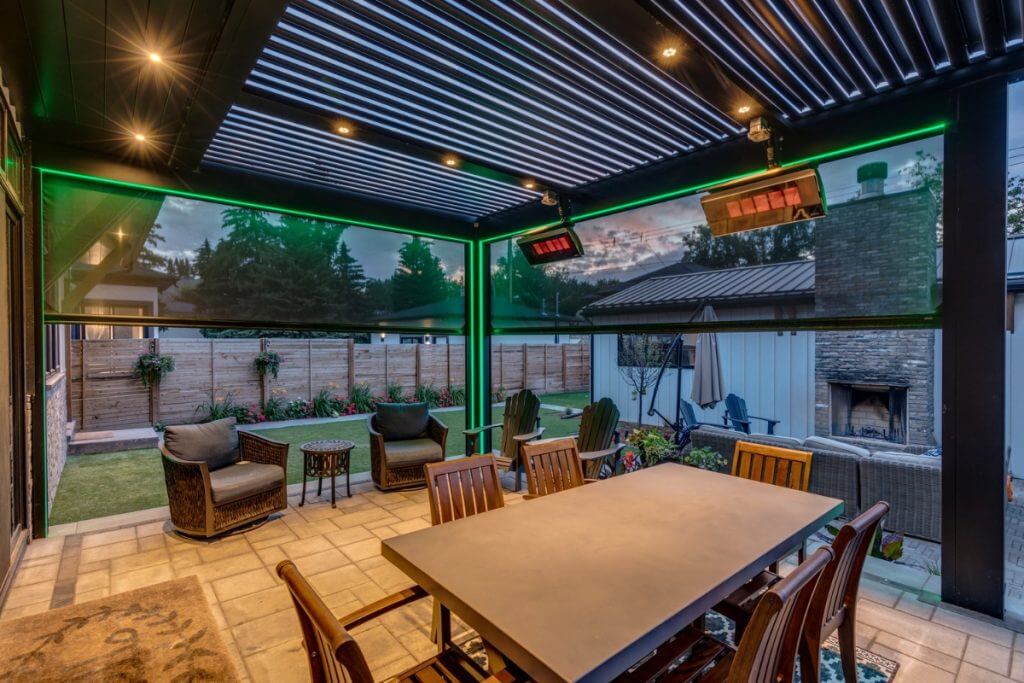
If you’ve been researching what is a pergola and wondering what it’s actually made of, you’re asking the right question at the right time. The material your pergola is built from determines how it looks, how long it lasts, how much work it demands, and what it can actually do for your outdoor living space. Here’s a plain-language breakdown of your options, plus a simple way to figure out which one fits your life.
What Materials Are Most Commonly Used to Build a Pergola?
The three dominant pergola materials are wood, vinyl, and aluminum. Traditional pergolas were almost exclusively wood, and that classic look still appeals to a lot of homeowners. But modern pergolas increasingly favor aluminum, which offers greater durability, design flexibility, and far less upkeep over time.
Is Cedar or Pressure-Treated Wood Better for a Wood Pergola?
For a wood pergola, the two most common choices are western red cedar and pressure-treated wood. Cedar pergolas have earned their reputation: western red cedar resists rot naturally, ages beautifully, and delivers the warm, classic look most people picture when they imagine a wooden pergola. Pressure-treated wood offers more color flexibility and a lower upfront cost, but involves more chemical treatment in the manufacturing process.
What both share is a demanding maintenance schedule. A cedar pergola needs regular sealing and staining to stay protected. Without diligent upkeep, wood pergolas typically last 5–10 years before showing serious wear, susceptible to insects, warping, and moisture damage through Michigan’s freeze-thaw cycles.
Are Vinyl Pergolas Worth It for a Low-Maintenance Outdoor Structure?
Vinyl pergolas remove the staining and sealing from your to-do list entirely. As an outdoor structure, vinyl cleans up with occasional washing and won’t splinter or rot. That’s a real advantage for homeowners who want minimal involvement after installation.
The tradeoffs are real, though. Vinyl pergolas offer fewer color and design options, have reduced structural strength, and can become brittle in cold temperatures or soft in extreme heat. They’re capable of lasting 15–25 years, but they can’t support heavier roofing materials or motorized systems, which limits what you can do with your space long-term.
Why Do Most Homeowners Choose Aluminum Pergolas Today?
Aluminum pergolas have become the go-to choice for good reason. Aluminum is inherently weather resistant, won’t rot or rust, and holds up under snow loads and high winds without complaint. Powder coating gives it a wide range of finish options. You can even get a wood-grain look without any of the upkeep required by actual wood. Most aluminum pergolas carry 20-plus-year lifespans, and many come with lifetime warranties.
How Much Maintenance Does an Aluminum Pergola Actually Require?
Minimal. An occasional rinse with a hose and soft brush is enough to keep an aluminum pergola looking sharp. Compare that to a wood pergola’s annual sanding, staining, and sealing cycle, and the difference over a 10-year window isn’t just time, it’s hundreds of dollars and weekends you get back. For pergola maintenance, aluminum wins decisively.
How Do You Know Which Pergola Material Is Right for Your Outdoor Living Space?
The right material comes down to four honest questions.
How much maintenance am I realistically willing to do? Wood demands consistent attention. Vinyl is easier but limited. Aluminum asks almost nothing of you after installation.
What are my local weather conditions? Michigan homeowners deal with snow loads, ice, and repeated freeze-thaw cycles that wear down wood and stress vinyl. Aluminum handles all of it without issue.
Do I want to add smart features? Motorized louvers, integrated lighting, adjustable shade, and weather-responsive controls require structural support that only aluminum can provide.
Is this a long-term investment or a short-term fix? If you’re building something you want to enjoy for decades, the best pergola material for most homeowners is aluminum. Full stop.
What Can a Premium Aluminum Pergola Do That Other Materials Can’t?
This is where material choice becomes about more than durability. Aluminum is the only pergola material that can support motorized louvered pergolas, smart automation, integrated climate control, and the structural load of a fully enclosed outdoor living space. Wood and vinyl simply can’t carry that kind of system.
StruXure pergolas installed by Skyview are the clearest example of what premium aluminum makes possible. With adjustable louvers, weather-responsive sensors, and year-round usability, a StruXure pergola transforms your backyard into a space you actually use through every season. Ready to see what that looks like for your home? Reach out to Skyview for a free consultation.


