

What Are The Steps Of A Sunroom Installation?
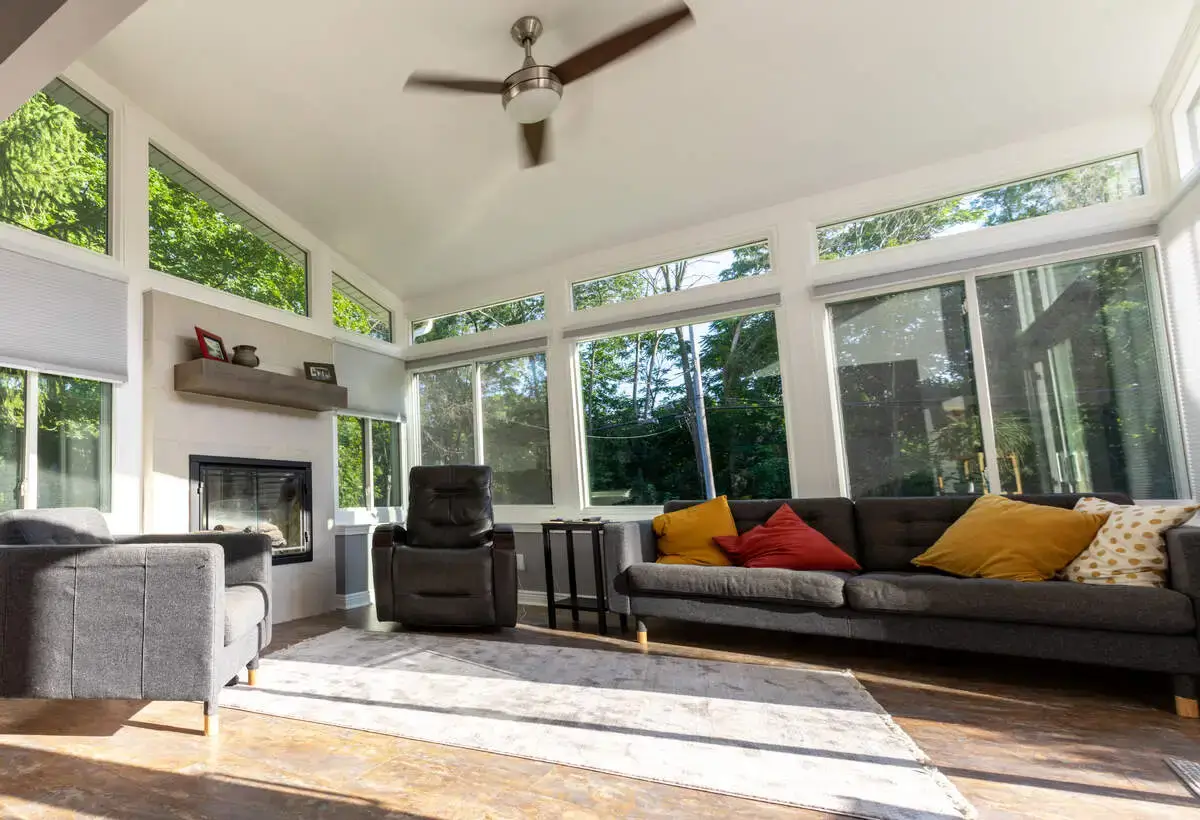
How To Build A Sunroom Step By Step
Embarking on the journey to build a sunroom offers an exciting opportunity to blend nature with the comfort of your home. The process requires careful planning and thoughtful execution to ensure that this desirable space seamlessly complements your existing dwelling. Whether you decide to tackle this project yourself or enlist professional assistance, following these crucial steps will guide you toward achieving a beautiful and functional sunroom installation.
What Are The Steps Of A Sunroom Installation: Assessing Your Space And Requirements
Before laying a single brick, evaluating your space and needs is essential. Measure the area where you envision this serene oasis and consider how you intend to use the space. Whether for relaxation, dining, or as a greenhouse, understanding the room’s purpose will dictate many subsequent decisions, including size, amenities, and materials.
Once you have assessed your space and requirements, the next step is the design stage. This phase is crucial for making decisions about the type and style of doors and windows, ensuring that they enhance both functionality and aesthetics while aligning with your preferences and the overall design of the space.
Choosing The Right Location For Your Sunroom
Location is key to maximizing the benefits of your sunroom. Ideally, a sunroom should capture ample natural light while providing privacy and a great view. Orientation southwards typically garners the most sunlight, yet each direction has its charm and benefits. Ensure the chosen spot is accessible and integrates well with your home’s layout.
Designing The Sunroom Layout
With space requirements and location in mind, it’s time to design your sunroom layout. Consider elements such as door and window placements to maximize light and airflow, and select energy-efficient doors and windows to enhance insulation and minimize heat transfer. Thoughtful design should also contemplate future furniture placement, electrical needs, and the potential for a heating/cooling system.
Selecting Materials For Construction
The choice of materials will greatly affect the aesthetics, sustainability, and cost of the project. High-performance dual-pane glass for windows minimizes ultraviolet and infrared light, reducing heat transfer and enhancing the durability and efficiency of your sunroom. Opt for durable, weather-resistant materials that match your home’s style. Thermally broken aluminum frames prevent warping and rotting, ensuring the long-term integrity of the structure while allowing for year-round use. The ceiling, flooring, and wall textures should reflect both functionality and harmony with your home’s interiors.
Hiring Professionals Vs DIY Options
Deciding to go DIY or hire professionals is a pivotal choice. DIY can save money and offer personal satisfaction, but it requires significant time and skill. Conversely, professionals bring expertise and efficiency, often resulting in a quicker turnaround. Weigh your options carefully, considering the potential challenges of installation and future maintenance when choosing the path forward. Hiring professionals ensures a worry-free experience, as they use high-quality materials and provide excellent installation services, making the process smooth and enjoyable.
Do I Need A Permit To Add A Sunroom To My House?
Yes, adding a sunroom to your home typically requires a permit, as it involves structural changes that must comply with local building codes and zoning laws. These legal requirements ensure that your addition is safe and meets specific standards for construction within your area. It is crucial to familiarize yourself with the regulations in your locality to avoid any potential pitfalls. Obtaining permits is part of the entire process of sunroom installation, ensuring compliance and a seamless experience from start to finish.
Checking Local Building Codes
Building codes vary from one region to another, necessitating a thorough examination of the rules in your area before proceeding with your sunroom project. These codes dictate guidelines on materials, design specifications, and safety standards to ensure structural integrity. Familiarizing yourself with these regulations will guide your decisions on the type and placement of your sunroom.
Understanding Zoning Laws
Zoning laws are another critical aspect in determining the feasibility of your sunroom project. These laws govern how properties in different areas can be used, potentially affecting the size and placement of your sunroom. Before advancing with plans, verify that your sunroom aligns with these spatial and usage directives to maintain compliance with local ordinances.
Permit Application Process
Once you understand the necessary codes and laws, the next step is applying for the appropriate permits. This process often requires detailed plans of the proposed structure, highlighting compliance with local regulations. Timely and accurate submission of these documents can expedite approval, enabling a smooth construction timeline.
Consequences Of Building Without A Permit
Constructing a sunroom without proper permits can lead to serious repercussions, including fines, penalties, or even orders to dismantle the addition. Such actions can result in significant financial loss and legal complications. It is always prudent to secure the necessary permits, ensuring your sunroom is legally compliant from the start.
What Is The Average Cost Of Installing A Sunroom?
When embarking on the journey of installing a sunroom, understanding the average cost can guide both budget expectations and planning. Typically, the cost of adding a sunroom can vary significantly based on size, materials, design, and additional features like insulation and foundation. On average, homeowners might expect to spend between $15,000 and $40,000 for a standard sunroom, although this figure can fluctuate depending on various factors. It’s also helpful to consider the best time of year to install a sunroom, as seasonal demand and weather conditions can influence both scheduling and labor costs.
Factors Influencing Sunroom Costs
Several elements can influence the overall cost of a sunroom. Primarily, size and location play substantial roles. Larger sunrooms naturally require more materials and labor, increasing costs. Including a heating and cooling system is crucial for ensuring year-round comfort, making it a valuable addition to consider. The choice of materials is another major factor; higher-end materials such as tempered glass or specialized roofing can elevate the total expense. Additionally, features like HVAC systems or custom designs add to the investment.
Comparison Of Different Sunroom Types And Costs
There are different types of sunrooms to consider, each with its own cost considerations. A three-season sunroom, which might not require as much insulation or heating, tends to be cheaper, typically ranging from $10,000 to $30,000. On the other hand, a four-season sunroom equipped to handle year-round weather conditions can cost between $20,000 to $50,000 or more, given its more robust insulation and energy-efficient windows.
Average Cost Of A 12×12 Sunroom
For those envisioning a specific size, such as a 12×12 sunroom, costs generally average around $15,000 to $35,000. The price varies based on aesthetic choices and whether the sunroom will integrate special elements such as flooring or advanced weather protection features.
Additional Cost Factors Like Insulation And Foundation
Insulation and foundation are crucial components that can add to the sunroom’s overall costs. Using high-quality materials in the construction of your sunroom ensures long-term benefits such as enhanced aesthetics, comfort, and energy efficiency. High-grade insulation is vital for a four-season sunroom, ensuring energy efficiency and comfort year-round, potentially adding $1,000 to $3,000 to the budget. Similarly, a robust foundation ensures stability and longevity but might increase costs by $5,000 to $10,000, depending on the complexity and design.
Do You Need A Foundation For A Sunroom?
Yes, a foundation is generally required for a sunroom to ensure stability and structural integrity. The foundation provides a stable and secure base, supporting the sunroom’s weight and maintaining its alignment. Without a proper foundation, a sunroom may experience issues like shifting, cracking, or moisture problems, which can lead to costly repairs.
Types Of Foundations For Sunrooms
There are several types of foundations to consider when building a sunroom, each with its own advantages. Creating a level and stable base during the excavation process is crucial for ensuring the structural integrity and longevity of the sunroom. The most common foundations include concrete slabs, pier and beam, and crawl spaces. A concrete slab is often used for its durability and low maintenance. Pier and beam foundations are ideal for uneven terrain as they can be adjusted for stability. Crawl space foundations offer easy access to plumbing and electrical systems but require ventilation to prevent moisture buildup.
Benefits Of Having A Foundation
A well-constructed foundation enhances the longevity of the sunroom, prevents structural issues, and provides insulation against the cold. Laying a solid foundation is crucial for ensuring the durability and stability of your sunroom. It also increases the sunroom’s resale value and gives homeowners peace of mind knowing that the structure is safe. Furthermore, a strong foundation helps protect against environmental factors such as earthquakes and floods, making your sunroom a safe haven.
Impact Of Foundation On Overall Cost
While a foundation does add to the initial construction cost, it is a worthwhile investment for the long-term benefits it offers. The type of foundation selected can significantly influence the total cost of the sunroom. For example, a concrete slab is typically less expensive than a full basement foundation. However, it is essential to weigh cost considerations against the needs for size, stability, and accessibility.
Alternatives To Traditional Foundations
For those seeking alternatives to traditional foundations, incorporating technology such as helical piers can offer flexibility and speed in installation. These piers are screwed into the ground and support the sunroom’s framework. They are ideal for challenging sites and result in minimal disturbance to the surrounding area.
Tips For Building A Sunroom On A Budget
Building a sunroom can be a transformational project for any homeowner or business owner looking to create a space that is both functional and open to the allure of the outdoors. However, the costs can quickly add up, leading many to seek strategies for constructing a budget sunroom while maintaining quality and aesthetic appeal.
Choosing Cost-Effective Materials
Selecting the right materials is crucial in ensuring a cost-effective sunroom. Using high-performance dual-pane glass for windows can significantly reduce heat transfer by minimizing ultraviolet and infrared light, thus improving energy efficiency and comfort in the sunroom. Consider using aluminum or vinyl for framing, as these materials tend to be less expensive than wood and require minimal maintenance. For the windows, double-pane glass offers excellent insulation at a reasonable price point, balancing initial cost with long-term energy savings.
Finding Affordable Labor
Labor costs are a significant part of any construction project. To keep costs down, solicit quotes from multiple contractors and negotiate aggressively. Local contractors can often provide competitive rates compared to larger companies. Don’t forget to check reviews and references to ensure you’re getting reliable services.
DIY Vs Hiring Professionals
Tackling parts of the construction yourself can be a powerful way to cut costs. If you’re handy, consider undertaking simpler tasks like basic carpentry or even painting. However, for the more complex aspects, such as electrical work or structural installations, hiring professionals is highly recommended to ensure safety and compliance with building codes.
Ways To Save On Insulation And Finishes
Insulation is vital for a comfortable sunroom that can be used year-round. To save on costs, use foam board insulation, which is effective and relatively inexpensive. When it comes to finishes, seek out sales and discounts on flooring and paint, and consider less expensive but durable materials like vinyl flooring or laminate for surfaces. Adding the final touches, such as selecting interior frame materials and decorative fixtures, is crucial to personalize the space and integrate it seamlessly into your home.
Transform your outdoor space into an elegant hideaway with Skyview’s bespoke sunroom solutions. Whether you’re on a budget or ready to invest in luxury finishes, we blend innovative designs with timeless elegance, crafted to elevate your lifestyle. Experience how compliance pairs with creativity to artfully transform your home through our ingenious outdoor solutions of Skyview Detroit.


