

How Long Do Motorized Screens Last? Lifespan, Motors, And Fabric Explained
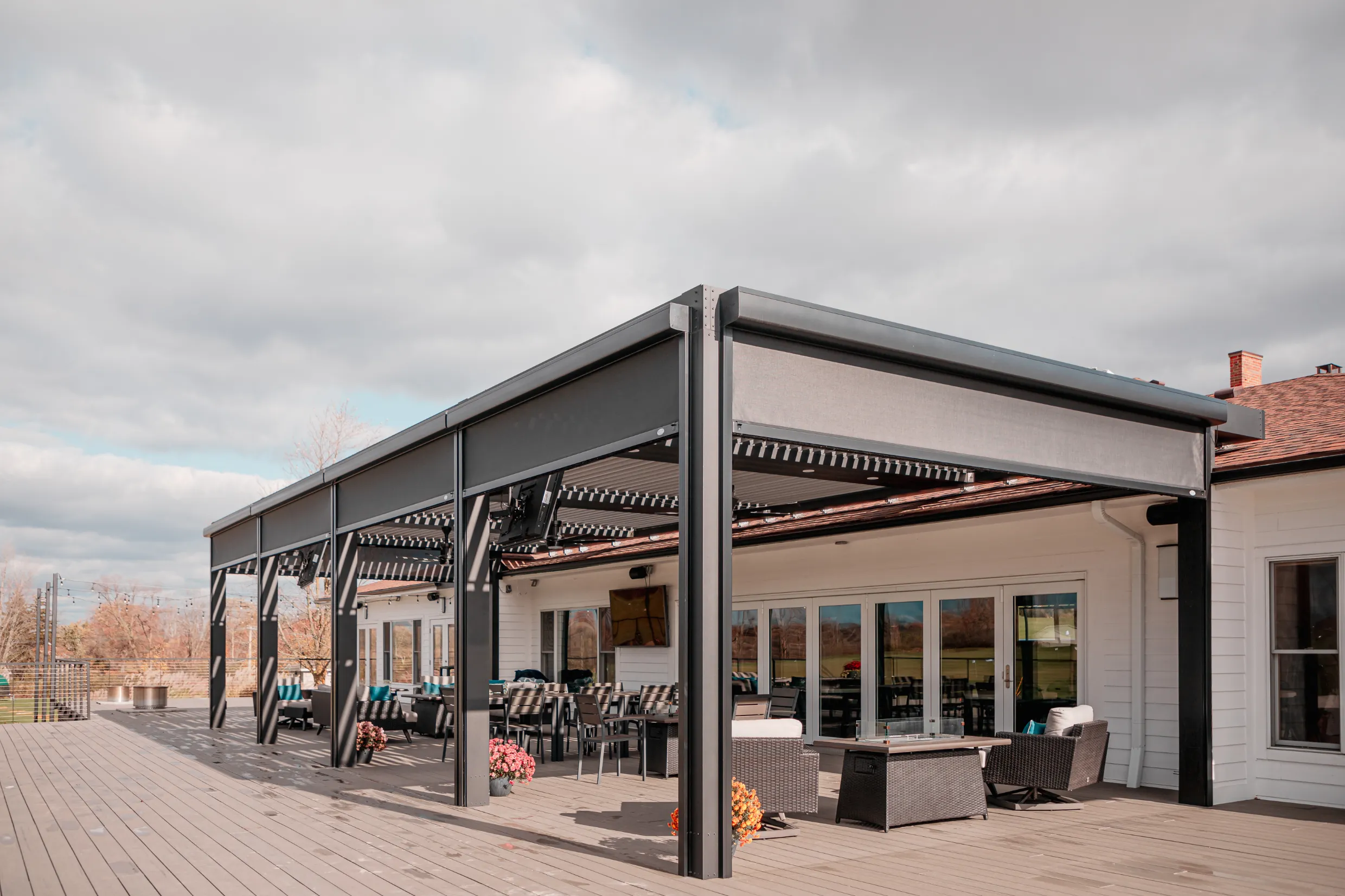
If you have a quote for motorized screens, one question is probably nagging at you: how long do motorized screens last before they need real work? Fair question for a premium product, especially with Michigan’s cold winters, humid summers, and spring windstorms.
We have you covered with this guide so you can make educated choices about motor life, fabric wear, and the hardware behind them. Stick around for all the details.
How Long Do Motorized Screens Typically Last?
A quality motorized screen from a reputable manufacturer is designed to last 10 to 25 years, depending on materials, use, and climate. The spread is wide because a motorized screen is three systems aging on three different clocks: the motor, the fabric, and the hardware.
Quoting the motorized screen lifespan as a single number hides what fails first.
Why Do Motors, Fabric, and Hardware Age Differently?
Think of the three parts like the engine, tires, and frame of a car. The frame lasts longest, the tires wear with use, and the engine is rated for a set amount of work before it slows.
Motors are rated by cycle count, often 10,000 or more open-and-close cycles across 10 to 15 years of use. Fabric takes the brunt of the weather, aging through UV exposure and abrasion, so outdoor screen fabric durability comes down mostly to coating quality and sun load.
Frames and tracks are the most durable parts, which is why they often carry lifetime warranties. The honest read on motorized screen motor lifespan: the motor and fabric set your real timeline, and the frame outlives both.
What Factors Affect How Long a Motorized Screen Lasts?
Four things decide real-world motorized screen lifespan: material quality, how often the screen runs, installation quality, and climate. Entry-level systems with thin fabric and undersized motors wear faster. A precise, professional install keeps the fabric tracking straight and the motor working without strain, which protects retractable screen durability.
Climate is the one Michigan homeowners feel most directly, so it deserves its own answer.
Does Michigan Weather Shorten a Screen’s Lifespan?
Short answer: not if the system is rated for the conditions. Screens built for wind resistance and UV exposure handle Michigan’s freeze-thaw cycles, summer humidity, and spring storms well when they are properly specified and installed for homeowners across Metro Detroit and the rest of the state.
The ones that struggle have low wind ratings or zipper-based tracks that can jam, tear, or pull loose in a strong gust. This is where the right spec matters for a motorized patio screen in Michigan.
MagnaTrack is rated for wind gusts up to 75 mph, the only motorized screen system with that standard rating, while many competing systems top out at 25 mph. It’s also designed to be lowered, not raised, in a storm, so it shields the covered space rather than leaving it exposed.
How Does Maintenance Affect Motorized Screen Lifespan?
Motorized screen maintenance is the simplest way to add years to a system. Keep the track channels clear of leaves and grit; never force a screen by hand if it hesitates; and retract it in extreme weather that exceeds the system’s design limits.
For screens in heavy daily use, an annual professional inspection is worth considering. A technician can catch a worn seal or sluggish motor before it becomes a failure. Done right, that habit protects the investment you already made.
When Is It Time to Replace a Motorized Screen vs. Repair It?
Most aging screens send clear signals that tell you when to replace a motorized screen and when a simple fix will do.
Lean toward repair for motor sluggishness, minor surface wear on the fabric, or debris clogging the track. Those are routine service items. Lean toward replacement when the fabric shows structural failure, such as fraying or brittleness, when the screen consistently fails to track straight, or when the motor no longer holds its cycles.
With a quality system, the fabric panel can often be replaced on its own, so a worn screen rarely means replacing everything.
What Should You Look for in a Long-Lasting Motorized Screen?
If durability is your priority, four specs tell you most of what you need. Check the wind rating first, since it signals how the system is engineered. Look at the track design, because a zipper-free track has fewer points that can jam than a zipper-based one. Read the motorized screen warranty closely, noting how it splits coverage across motor, fabric, and hardware. Then confirm it will be professionally installed, since installation quality shapes how long the rest holds up.
MagnaTrack fits that checklist. Its self-tensioning, zipper-free design eliminates an estimated 98% of the service issues that affect typical motorized screens, and its solar screens block up to 99% of harmful UV rays while keeping airflow moving. That is a big reason MagnaTrack screen lifespan runs toward the upper end of the range, and it lines up with the reasons homeowners add motorized screens to a patio.
When a screen is matched to the climate and installed by a team that knows the product, it lasts. Skyview is a certified MagnaTrack installer serving homeowners across Michigan, and the focus on MagnaTrack comes down to one thing: it was built for demanding conditions like Michigan’s.
Contact us today to set up a free consultation and find out which MagnaTrack screen fits your space.


