

Do Motorized Screens Really Reduce Heat and Glare?
How Do Motorized Screens Actually Reduce Heat?
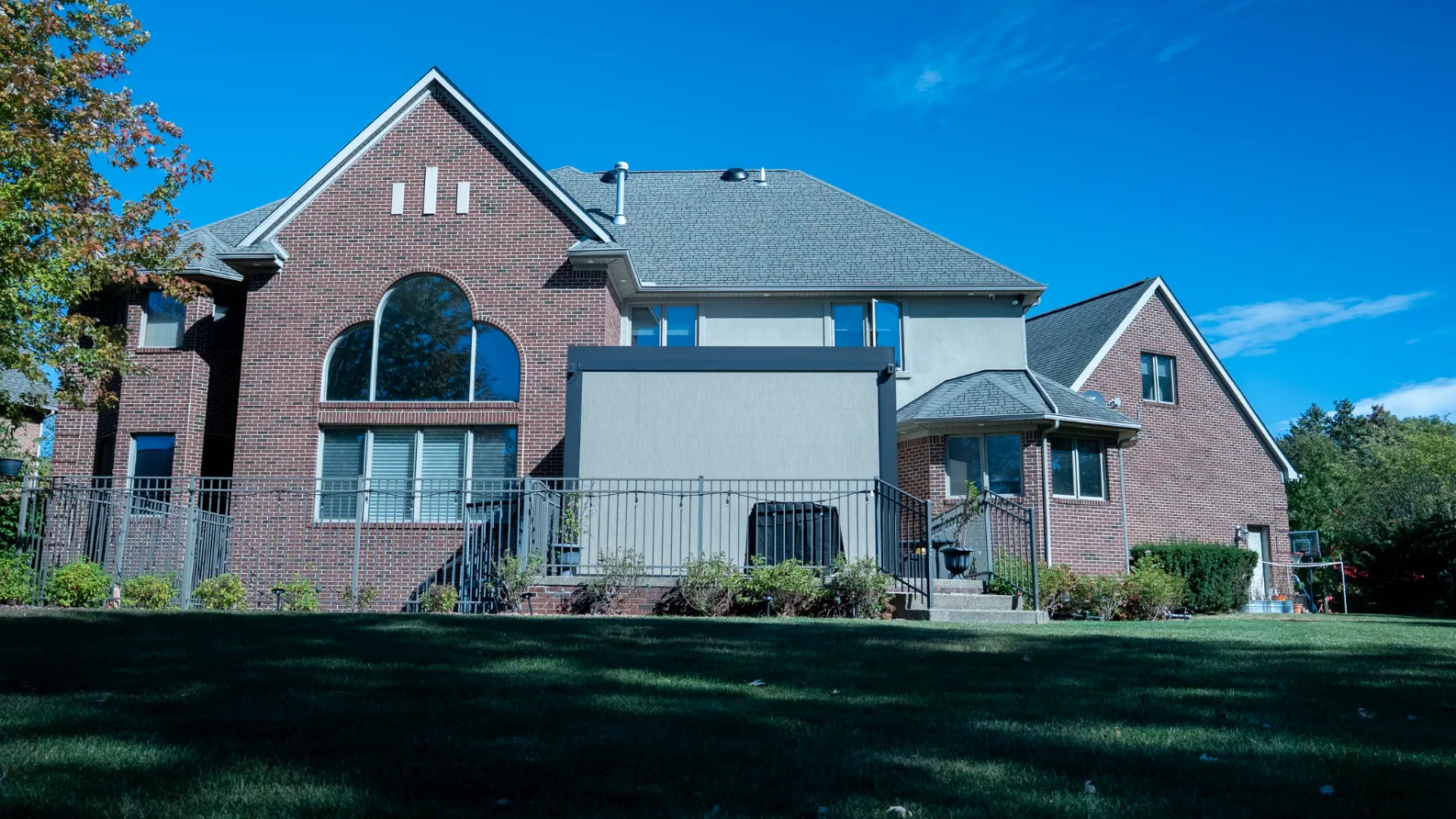
If your real question is, ” Do motorized screens reduce heat and glare, the answer is yes, and it comes down to where the screen works. A solar screen sits outside your space, catching the sun’s radiant energy before it reaches you and the surfaces around you, stopping heat at the source rather than managing it after it builds up. Think of it as sunglasses for your whole patio: it knocks down the harsh light and heat while you still see through to the yard.
That outside placement is the difference between an exterior solar screen and an interior shade, which only works after sunlight has already passed through the glass. The U.S. Department of Energy makes the same point: exterior shading is the most effective way to cut solar heat gain, because it stops the sun before it gets in. A MagnaTrack solar screen is built to filter that direct sun and hold down heat buildup, so motorized screens’ heat reduction works on a patio the same way it does at a window.
What Is the Openness Factor and Why Does It Matter?
Openness factor is the percentage of the fabric left as open weave, the tiny gaps that let air and light through. The smaller the openness factor, the tighter the weave and the more UV and heat the screen blocks. A more open weave trades some solar rejection for more breeze and view.
MagnaTrack solar screens come in a range of openness levels, so you can pick the balance of shade, airflow, and visibility that suits your patio. The right solar screen openness factor depends on the patio’s sun exposure.
Do Motorized Screens Actually Reduce Glare?
Yes. Solar screen glare reduction works because mesh filters and diffuses sunlight rather than shutting it out, which takes the hard edge off glare without darkening the space like a solid shade. That matters most in the spots where glare ruins things: a patio with an outdoor TV, a dining area facing west, or seating that catches direct afternoon sun.
The commercial patio at Art & Jake’s in Northville is a working example in Michigan. MagnaTrack screens reduced the sun glare and extended the usable patio season.
Will a Solar Screen Block My View or Cut off Airflow?
Short answer: No. A quality solar screen is designed to keep your view and let air move through while it does its UV and heat work. It is a screen, not a wall. Darker fabrics give the best view-through with the least glare, so outdoor screen airflow visibility is one of the last things a solar screen takes away.
A vinyl screen does a different job. Where a solar screen keeps airflow and visibility, a vinyl screen creates a full weather seal that holds heat in and rain out, with less airflow by design. Knowing the solar screen vs. shade difference and how both compare to vinyl can help you match each screen to the season.
How Much of a Difference Does a Solar Screen Actually Make?
Solar screens make a real, measurable difference. High-quality solar screen fabric is designed to block up to 99% of harmful UV rays, depending on the fabric you select, and solar mesh stops a meaningful share of radiant heat before it reaches the space. Those numbers reflect what the fabric is built to do, not a promised temperature drop on the patio.
The payoff lands where Michigan summers hit hardest: humid afternoons with direct sun on south- and west-facing patios. That mix of patio screen UV protection and outdoor screen sun protection turns a space you avoid by 3 p.m. into one you can sit in, and it is one of the main reasons homeowners in Michigan add motorized screens. The actual result depends on your fabric, openness factor, and which way the patio faces.
Does Fabric Quality Change How Well a Screen Performs?
Yes, and here the hardware matters as much as the mesh. A screen that billows, sags, or pulls loose from its track stops performing at spec because gaps open at the edges and sun leaks past the fabric. Zipper-based systems are prone to this in the wind.
MagnaTrack uses a self-tensioning, zipper-free design that holds the fabric taut and sealed inside the track, so the screen keeps doing what it is rated to do. That build carries a 75 mph wind rating, so it can stay down through Michigan wind events that would force a weaker system to retract.
Are Motorized Screens the Right Solution for a Hot or Glare-Prone Patio?
For a patio that bakes in afternoon sun, yes. Solar screens earn their keep when the space gets direct sun for part of the day, or when an outdoor TV or dining setup keeps fighting glare. For a full weather seal and four-season use, a vinyl screen is better, and many Michigan homeowners install both as a dual-screen system: solar mesh for summer, vinyl for cold-weather sealing. For a motorized patio screen Michigan project, that pairing covers the widest range of conditions in Metro Detroit.
Skyview is a certified MagnaTrack installer serving homeowners across all of Michigan. The right fabric, openness factor, and control system come down to your patio, which a consultation sorts out.
Contact us today to set up a free consultation and find the screen that fits your space.


