

Do I Need Planning Permission For A Patio Awning?
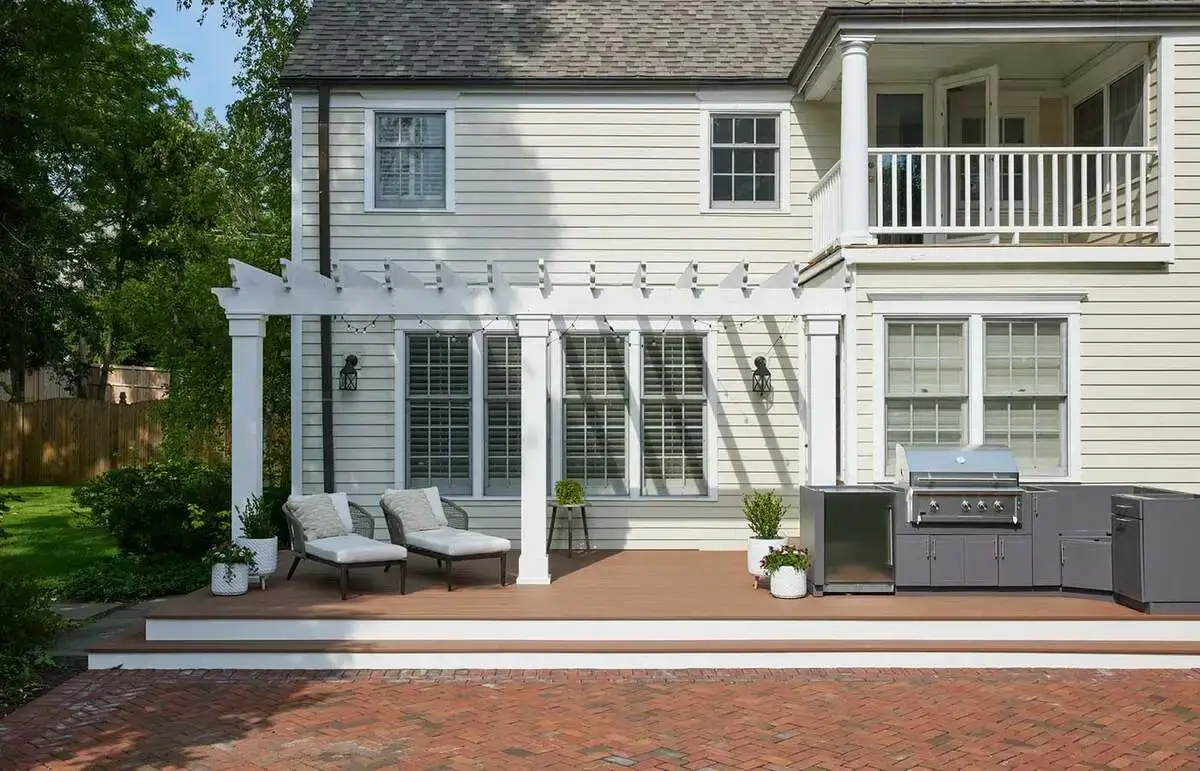
Do You Need Planning Permission To Install An Awning?
Installing an awning can often enhance both the functionality and aesthetic appeal of your outdoor spaces, providing much-needed shade and style. However, understanding whether you need planning permission is essential before you embark on this project. Generally, most residential awning installations do not require planning permission, particularly for temporary or retractable options. Nonetheless, if your property is a designated heritage site or falls within a conservation area, specific permissions may be required to preserve the site’s historical or environmental significance.
Reach out to Skyview for a consultation!
Definition And Implications Of Planning Permission
Planning permission is an official approval needed to legally authorize the construction or alteration of buildings or structures. It ensures any development meets local planning and building regulations. Not securing such permission, if required, can lead to alteration orders, fines, or even the dismantling of your new installation.
General Guidelines For Awning Installation
Before installing a building permit awning, homeowners should consider a few key guidelines. Firstly, the awning should not project excessively from the wall; typically, projections of up to 3 meters are acceptable in most areas without planning needs. The height of the awning should also align with local guidelines to maintain unobstructed views for neighbors.
Local Regulations And Exceptions
Local jurisdictions may have specific bylaws. For instance, an aluminium awning on a commercial property often requires more stringent approvals compared to residential installations due to potential impacts on public spaces. Engage with your local planning office to ascertain specific requirements applicable to your property and intended project.
Do You Need A Permit For A Retractable Awning?
Whether you need a permit for a retractable awning often depends on the specific regulations of your local area. In many regions, permits are not necessary for small, temporary structures like retractable awnings. However, if your awning significantly alters the exterior of your property, or if it poses potential safety risks due to size or installation, a permit might be required. It’s crucial to verify this with your local building authority to ensure compliance.
Specific Requirements For Retractable Awnings
Retractable awnings vary widely in terms of design, materials, and size, and these factors can influence whether a permit is required. In general, awnings that are easily retractable, non-permanent, and do not require significant structural alterations are less likely to necessitate a permit. If the awning includes features such as integrated lighting or electrical systems, the likelihood of requiring a permit increases. Confirm with local regulations that dictate which specific requirements apply to your situation.
Impact Of Different Materials And Designs
The material and design of your awning play a crucial role in determining the need for a permit. Innovative designs that seamlessly integrate with your home’s aesthetics may face fewer regulatory hurdles. However, aluminium or heavy-duty textile awnings may be subject to stricter scrutiny due to their perceived permanence and potential impact on home value and neighborhood aesthetics.
Common Misconceptions About Retractable Awning Permits
A common misconception is that all shade structures require a permit. Many homeowners believe a permit is automatically necessary due to the perceived complexity of installation or misinterpretation of local laws. In reality, many municipalities have simplified the process for homeowners, particularly for homes situated in designated residential zones. If unsure, consult with a local expert or your municipality’s building department to clarify any doubts and achieve peace of mind.
Do I Need Planning Permission For A Patio Canopy?
Installing a patio canopy can be an elegant way to add a stylish and functional outdoor space to your home or business. However, you may be wondering if it requires planning permission. Generally, whether you need planning permission for a patio canopy depends on your local zoning laws and the specific characteristics of the canopy you plan to install, such as its size, height, and placement in relation to property boundaries.
Defining A Patio Canopy And Its Implications
A patio canopy is often defined as an outdoor covering that provides shade and shelter, typically made of materials like fabric, wood, or aluminum. The installation of a canopy can enhance an outdoor area by making it more usable in various weather conditions. However, its classification can influence the need for planning permission. Canopies that are complex, permanent, or freestanding may indeed trigger building regulations and zoning considerations.
Regulations For Aluminum Structures
The material of the patio canopy can also affect whether planning permission is necessary. An aluminum patio cover, for instance, is durable and robust, often considered a semi-permanent fixture. This classification could require more scrutiny under local building codes. Aluminum structures may be viewed more like traditional extensions of living space, potentially crossing the thresholds that necessitate formal permissions.
Key Considerations For Building Codes And Safety
When considering a patio canopy, it is crucial to incorporate building codes and safety into your planning process. Factors such as wind resistance, drainage, structural integrity, and fire safety are essential for both compliance and the longevity of your investment. It’s advisable for homeowners and business owners to consult with local authorities or a trusted contractor to ensure all legal obligations are met and that safety standards are maintained.
Is An Awning Considered A Structure?
Yes, an awning is often considered a structure. This classification is important as it determines the necessity for permits and adherence to specific regulations. Whether or not an awning is classified as a structure can impact the legal and planning requirements that homeowners and business owners must navigate before installation.
Technical Definition Of A Structure
In technical terms, a structure is anything constructed or used to support, shelter, or cover. This definition can encompass a wide range of installations, from aluminium awnings to large buildings. Awnings, with their functional purpose of providing shade and weather protection, generally meet the criteria of this broad definition. Therefore, understanding how your locality defines a structure is crucial when planning your installation.
Impact On Legal And Planning Requirements
The classification of awnings as structures has significant implications for both legal and planning requirements. In many jurisdictions, this means you may need a building permit for awnings, especially if it’s a sizable aluminium awning or involves complicated installation processes. Ensuring compliance with local codes is essential to avoid potential fines or issues with neighbor disputes.
Comparisons With Other Similar Outdoor Installations
In comparison to pergolas or gazebos, which are more obviously permanent structures, awnings can sometimes seem less obvious to categorize due to their retractable nature. However, their potential impact on an outdoor space—such as influencing drainage or wind resistance—often means they are still regulated similarly. Evaluating how your awning compares to these installations can be insightful when planning.
By recognizing the presence of an awning structure as part of your outdoor living space, you open the door to a blend of comfort and functional design. Explore Skyview Detroit and Skyview Dallas‘s range of premium living solutions to stylishly transform your patios and facades, elevating them into serene retreats that blend elegance with cutting-edge innovation.


