

Can A Sunroom Be Used As A Living Room Or Office In Michigan?
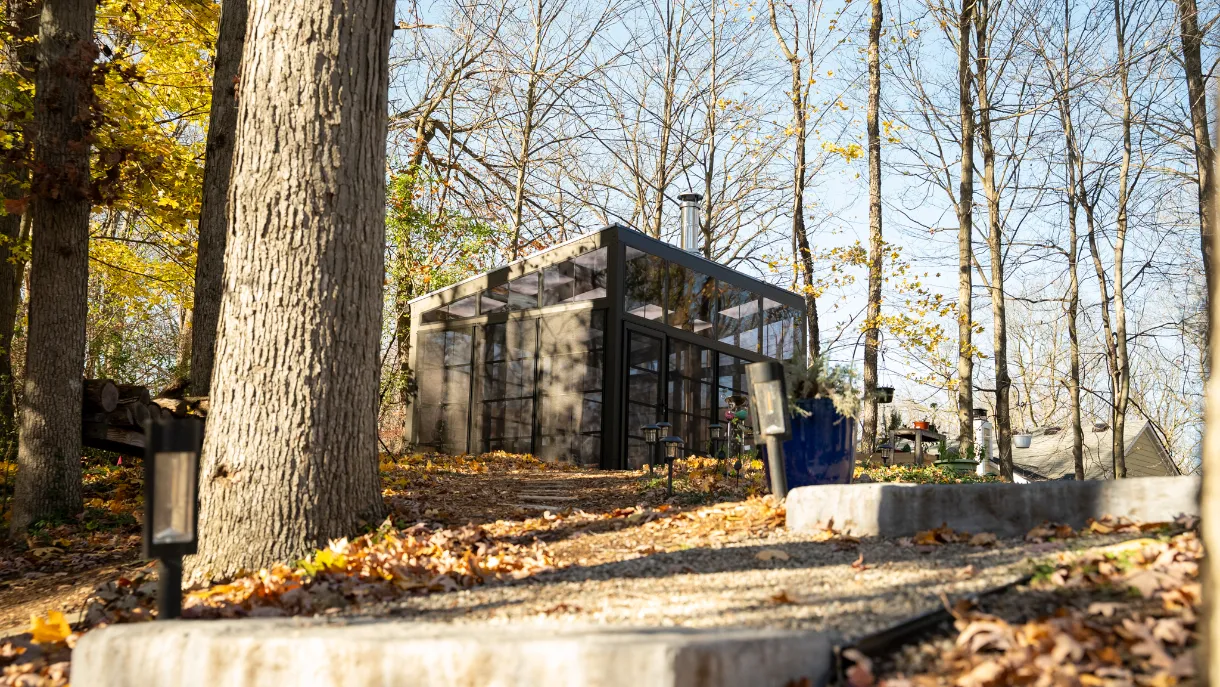
Sunrooms immerse you in Michigan’s seasonal changes. Standing before the glass panels, you get a front-row view of the spring flowers, summer sunshine, fall colors, and winter snow. It’s a restful, magical scene, but maybe you want to do more than stand or sit there briefly. Maybe you want to use it for long-term living space. Is using a sunroom as a living room or home office in Michigan possible? Yes, but it depends on the type of room and its structure.
Can a Sunroom Really Function as a Living Room or Office?
It can indeed. A properly built sunroom can become a prime living area in your home and give you a place to spend hours in comfort. To be more than a seasonal sitting room, though, it needs to have the right mix of insulation, heating, and cooling features. Michigan winters bring deep snow and chill, while summers are known for their humidity and warmth. Living in comfort across these extremes comes down to engineering the perfect sunroom design.
Smart design ensures you can enjoy your four-season sunroom as a year-round living space. You’ll want the room to block unwanted heat in summer without losing essential warmth in winter. It should also keep you comfortably sweat-free. Temperature is an important part of any living space, so your sunroom addition needs to keep you comfortable so it can take on a new role.
What’s the Difference Between a Three-Season and Four-Season Sunroom for Daily Use?
If you’re like many Michigan homeowners, you’ve considered the three-season vs. four-season sunroom debate for daily use. It’s time to settle the matter. Essentially, a three-season room doesn’t have the insulation and climate control needed for comfortable winter use, while a four-season room is built for it.
A three-season addition gives you a relaxation space from spring through fall, although it could still get too warm in summer without the right window panes and climate control. Not being able to use the space year-round means a three-season sunroom wouldn’t work as an office or living room.
Is a sunroom a liveable room if it’s built for four seasons? Yes, four-season additions are built for year-round use and match the home’s specifications. You can stay comfortable and use the space, including as a home office, no matter how cold and snowy the weather may be.
What Does a Sunroom Need to Handle Michigan Winters as Everyday Space?
A sunroom needs the right structural components to handle Michigan’s cold winters. In other words, you should look at three things: insulated composite framing, energy-efficient glass, and integrated heating and cooling.
An insulated sunroom for Michigan winters has double-pane or triple-pane window panels, argon or krypton gas in between the glass, and composite framing around it. This composite framing, made up of vinyl and fiberglass, also has a thermal break between the inner and outer panes for added comfort.
You’ll be halfway toward energy efficiency glass with either double-pane and triple-pane glass. Get the rest of the way there with a low-E coating on the panes. Low-E coating is a very-thin layer of metallic oxide applied to the exterior-facing pane during manufacturing. In cold climates like Michigan, the coating goes on the exterior surface of the inside pane, known as surface 3 for double-pane glass.
Along with these features, you’ll need full integration with the home’s heating and cooling system. From adding extra heat in winter or removing built-up humidity in summer, it’s the final element for year-round comfort that fits the Michigan climate.
What Should You Think About Before Setting Up a Home Office in a Sunroom?
Sunroom home office ideas often focus on the color palette and decor style. These factors are important and give the finishing touch, but they aren’t the only ones to consider. When using your sunroom as a home office, also look at larger-scale things like glare, privacy, and Wi-Fi reach.
Think about it: You’re setting up a career space in a room made of glass. Glare can become a major nuisance at specific times of day, making it nearly impossible to see your screen and be productive. But the right desk placement or window treatment can be all you need for optimal viewing.
Another factor is where the room sits relative to your home Wi-Fi router. If it’s out of range or there are too many walls in the way, consider a Wi-Fi extender. Finally, which way does the sunroom face? If it looks out toward the street or a neighbor’s yard, consider frosted glass for added privacy. Nighttime office hours may need curtains as well.
Can a Sunroom Feel Like Part of Your Main Living Space?
Absolutely. One of the best ways to integrate a sunroom addition is with an open-concept design. Removing the interior wall between the home and sunroom instantly makes the two spaces feel like one, helping you welcome the light and see straight through to the outdoors. You can also create an integrated interior design, such as continuous flooring or similar furniture.
How Do You Design a Sunroom Built for Everyday Use With Skyview?
Skyview’s design experts can help you decide how you want to use the space and what you need for year-round comfort. Whether it’s for a home office or second living room, a sunroom can be customized to suit your family life or career goals. Reach out to Skyview for a free, no-pressure, in-home design consultation and find out what’s possible for added living space.


