

What Is The Lifespan Of Composite Decking?
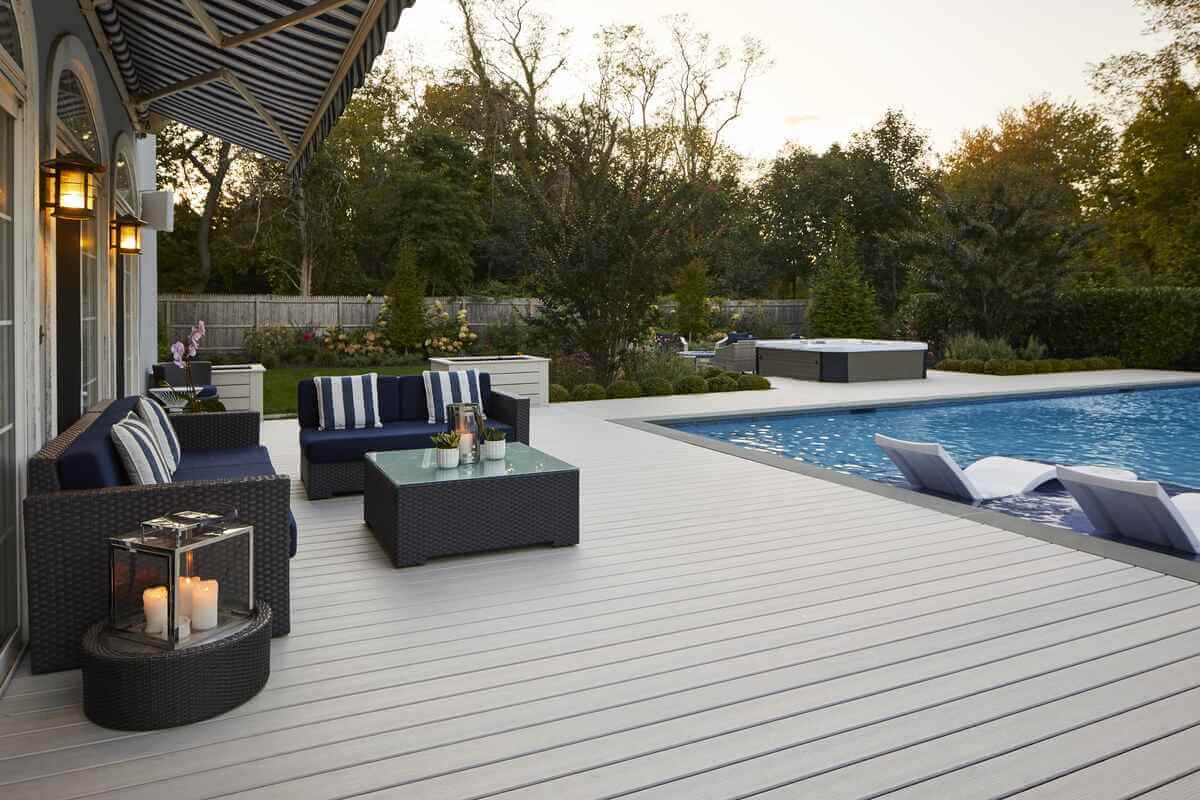
How Long Does Composite Decking Last?
The allure of composite decking lies in its promise of outstanding durability and enduring elegance for homeowners and business owners seeking to elevate their outdoor spaces. On average, composite decking boasts a remarkable lifespan, often lasting 25 to 30 years—sometimes even longer with proper care. Especially in robust climates like Texas, where the intense sun and frequent storms challenge traditional materials, composite boards maintain their structure and beauty, far outpacing conventional wood decks. In fact, when treated well, composite decks may not need replacement until well after two decades, offering substantial peace of mind and savings over time.
Reach out to Skyview now and book your consultation appointment!
What is the Lifespan of Composite Decking and Why is it Ideal for Luxury Spaces?
Composite decking is crafted from a blend of recycled wood fibers and high-performance synthetic materials, formulated to mimic the rich aesthetics of natural wood while providing unmatched longevity. Composite decking materials are made by combining recycled wood fibers with synthetic fibers and plastic, which enhances durability and weather resistance. High quality materials are used to ensure a long-lasting, beautiful deck. Its low-maintenance nature and resistance to staining, splintering, and moisture absorption make it an ideal choice for refined outdoor environments.
Whether you aspire to create a luxurious backyard retreat or an inviting business terrace, the timeless finish and versatility of composite deck boards ensure your investment enhances both style and functionality. Composite decking stands out among other decking materials for those seeking to create their dream deck.
Typical Lifespans In Texas And Other Challenging Climates
Decks in Texas face unique environmental stresses: searing UV rays, humidity, and sudden weather shifts. Unlike wood, which can warp, rot, or fade in such conditions, the best composite decking features robust UV inhibitors and protective caps that shield against the harshest elements. In these high-demand regions, the average lifespan of different decking materials varies significantly—composite and PVC decks generally last much longer than traditional wood, which often deteriorates faster under these conditions.
In these high-demand regions, composite decks typically maintain integrity for 25 to 30 years, demonstrating a potential lifespan that far exceeds the shorter lifespan of wood decking, which may only last 10 to 15 years—even sooner if left unstained or poorly maintained. How long decking lasts depends on the material: among different decking materials, composite decking tends to last the longest, while wood and pressure-treated options have a much shorter average lifespan due to increased maintenance needs and exposure to the elements.
How Does Composite Decking Compare To Wood?
When comparing lifespans, composite decking stands out for its resilience. Traditional wood decks, even when cared for, generally last 10 to 15 years, succumbing to splinters, termites, and repeated staining requirements. Wood decking remains a popular but higher-maintenance decking material, often chosen for its classic look despite its upkeep demands. Without regular maintenance—particularly staining—wood’s lifespan drops sharply, sometimes requiring a rebuild in less than a decade. Proper maintenance, including regular sealing, is essential for wood decking to preserve its structural integrity and protect against the elements.
Read the full guide about Composite Decking Brands in 2026 to better understand how different materials, warranties, and performance factors compare when choosing the right decking for your outdoor space.
In contrast, composite boards retain their shape, color, and structural strength for decades, needing only occasional cleaning. Composite decking is a decking material that offers minimal maintenance compared to other decking materials, making it a convenient and durable choice for homeowners seeking long-lasting performance.
Impact Of UV Exposure, Weather, And Foot Traffic
Sun, rain, snow, and high foot traffic all test the limits of outdoor surfaces. Unlike wood, which weathers and deteriorates rapidly under these stresses, composite decking resists fading, mold, and wear. Thanks to advanced engineering, many composite decking products feature a protective vinyl shield to guard against environmental damage, further enhancing their durability and longevity. Even busy hospitality decks or active family patios retain their pristine surfaces and consistent color year after year—truly embodying lasting luxury outdoors.
While composite decking is low maintenance, regular cleaning is essential to keep the deck clean and free of dirt. This routine helps prevent mold growth and moisture damage, ensuring the deck remains safe, attractive, and long-lasting.
How Often Do You Have To Replace Composite Decking?
For property owners choosing composite deck boards, the question of replacement rarely arises for well over two decades. The composite decking lifespan is supported by long manufacturer warranties, including fade warranty for capped composite decking, which further reduces the need for frequent replacements. With basic cleaning and minimal upkeep, quality composite decks comfortably outlast typical replacement cycles, allowing you to focus on enjoying your outdoor space instead of maintaining it. For luxury spaces that demand both spectacle and substance, composite decking from trusted providers like Skyview offers an investment in enduring beauty and worry-free comfort.
Is There A Downside To Composite Decking?
Composite decking has elevated outdoor living, delivering elegance and resilience with minimal upkeep. Yet, as with any building material, it carries some drawbacks that discerning homeowners and business owners should consider before committing. Some of these concerns may relate to the specific composite materials used in certain products, as their engineered compositions can affect factors like warping, twisting, or splintering. Understanding these disadvantages of composite decking can help you make an informed and inspired choice for your luxury space.
What Are The Common Concerns And Limitations Of Composite Decking?
While composite deck boards are celebrated for their durability and beauty, several common concerns can arise. One of the most noted issues is heat retention—composite decks, especially in darker hues, can become quite warm under direct sunlight, sometimes more so than natural wood. This can impact summer barefoot strolls or lounging on the deck on a sunny day. Additionally, while composite decking is resistant to stains and fading, some lower-quality boards may be susceptible to surface scratching or visible wear over time, especially in high-traffic commercial installations. However, high-quality composite decking is engineered to resist cracking, even under challenging conditions such as UV exposure, moisture, and temperature fluctuations.
Does Composite Decking Fade, Stain, Or Require Maintenance?
Another consideration is the possibility of fading or staining. Advances in technology have greatly reduced these risks in premium brands, but older or less expensive products may show signs of UV exposure over the years. While composite decking is significantly lower maintenance than wood, it is not entirely maintenance-free. Occasional cleaning is recommended to keep your deck looking its absolute best, and prompt attention should be given to spills to prevent stubborn stains—particularly from oil, wine, or food. While a pressure washer can be used for cleaning, it should be operated with caution and at a low setting to avoid damaging the deck surface.
How Do Composite Deck Costs Compare To Traditional Wood?
Cost is frequently cited as a downside of composite decking. An initial investment in composite is typically higher than most wood options, which may give some budget-conscious homeowners pause. The cost of lumber for deck framing and boards can also vary significantly, impacting the overall price of wood decks. However, it’s important to weigh this against reduced maintenance, greater longevity, and the enhanced lifestyle benefits that composite provides. When factoring in time, maintenance, and replacement costs, many find that the upfront premium is balanced by enduring value and peace of mind.
Can Disadvantages Be Minimized With Quality Materials And Proper Installation?
Many concerns about composite decking can be alleviated by choosing high-quality brands and ensuring skilled installation. Top-tier composite boards are engineered to resist heat, fading, staining, and warping, and come with generous warranties that safeguard your investment. At Skyview, our curated selection of premium composite deck boards and impeccable installation practices ensure your outdoor retreat embodies lasting elegance with minimal compromise. Proper installation and maintenance of critical structural elements, such as the ledger board and joists, are essential to prevent moisture damage, rot, and ensure the long-term integrity of your deck.
What Does Trex Look Like After 10 Years?
After a decade, Trex and other premium composite deck boards can still look remarkably inviting, especially when contrasted with weathered wood. Trex decking, known for its high-quality, durable construction, is a leading example of composite materials made from recycled wood and plastic. Thanks to their durable, engineered structure and protective capping, top-tier composite decking is designed to resist fading, warping, and splintering, even after years of sun and rain exposure. The lifespan of composite decking, such as Trex, often exceeds that of traditional wood options like cedar, with many products offering warranties of 25-30 years or more. With minimal composite decking maintenance, these surfaces remain luxurious and vibrant, reflecting your investment in long-lasting outdoor beauty.
Over 10 years, the real secret to maintaining the allure of your best composite decking is simple care—regular sweeping, occasional washing, and a vigilant eye for debris. Neglected decks may develop light stains from organic materials, yet resist deep, unsightly blemishes that plague natural wood. Most homeowners and business owners find that the original color tones and grain patterns persist with only mild softening, rather than the dramatic gray or cracked appearance of aged timber decks.
Many luxury outdoor transformations showcase how composite decks become gracefully familiar without losing sophistication. Imagine an upscale restaurant terrace or private home oasis—after a decade, the space still invites barefoot strolls and stylish soirées, thanks to the durable, splinter-free design. These visual case studies prove composite’s promise: enduring elegance with less work than wood, making it an inspired choice for discerning taste and demanding climates.
How Does Composite Compare To Wood After 10 Years?
Composite decking overwhelmingly outperforms traditional wood over extended periods, especially regarding visual appeal. While wood must combat rot, insects, peeling paint, and frequent staining, composite deck boards maintain their structural integrity and refined finish. Wooden decks and wood decks often require replacements due to rot and structural issues, as both the boards and substructure can deteriorate over time. This distinction is particularly evident in high-traffic luxury settings, where consistent beauty and low upkeep are paramount. With composite decking maintenance kept simple, your outdoor haven becomes not only a lasting investment but a sanctuary that stands the test of time.
What Is The Cost Of A 20×20 Composite Deck?
The investment required for a 20×20 composite deck can vary significantly, but homeowners and business owners seeking enduring beauty and performance can expect a range typically between $8,000 and $20,000 or more for premium materials and expert installation. The overall cost is influenced by a number of factors, including the quality of the best composite decking brands, board styles, finishes, site preparation requirements, and custom design features. It’s important to weigh not just the initial price, but also the value of reduced maintenance and lasting durability that top-tier composite deck boards provide over time. Investing in a long lasting deck and ensuring proper drainage are also key to maximizing your return, as they help extend the deck’s lifespan and protect your investment.
What Factors Influence The Cost Of A 20×20 Composite Deck?
When planning your luxury outdoor retreat, several core elements shape the final project expense. The choice of composite decking boards—ranging from classic wood tones to contemporary, sleek colors—impacts material costs. Premium brands offer advanced features such as improved scratch resistance, fade-proof technologies, and deeper wood-grain embossing that elevate the look and feel of your deck. Additionally, unique board profiles—picture framing, wide or grooved edges—and hidden fastener systems add refinement, but also affect the bottom line. When evaluating long-term value, it’s important to consider the average lifespan of composite decking, as this helps determine overall cost-effectiveness compared to other materials.
Site conditions, such as the slope of your yard, existing structures, and required footings, can influence labor costs. Opting for extras like integrated lighting, built-in seating, or custom railings will create a more inviting atmosphere, but should be factored into your budget. Finally, professional installation by skilled craftsmen ensures the product’s warranties remain intact and the result matches the luxury vision you have for your home or business.
Why Is Investing In Quality Composite Decking Worth It?
While traditional wood decks might carry a lower upfront price, ongoing maintenance—sanding, staining, repairing splinters, and treating for mold—can quickly erode those initial savings. High-quality composite decking boasts minimal upkeep: a simple rinse and the occasional soap wash suffice to keep your deck looking pristine for years, resisting warping, rotting, or insect damage. This longevity not only spares you maintenance hassles but also preserves the value and elegance of your property’s outdoor space. In addition, composite decking offers a longer potential lifespan and requires minimal maintenance compared to traditional wood, making it a convenient and durable choice.
Opting for the best composite deck boards is an investment in peace of mind, knowing that decades down the road, your deck will still impress guests or clientele with its timeless beauty and structural integrity. Nature’s elements may test your deck’s mettle, but premium composites are engineered for resilience—and your outdoor luxury will endure in all seasons.
Ready to turn your vision for a sophisticated outdoor space into reality? Skyview Detroit’s luxury composite decking solutions blend timeless design with superior durability, ensuring your investment rewards you with beauty, comfort, and value year after year. Discover how our expert team can create the outdoor retreat your property deserves—where innovation meets elegance at every step.


