

Pergola Maintenance: A Complete Guide For Homeowners
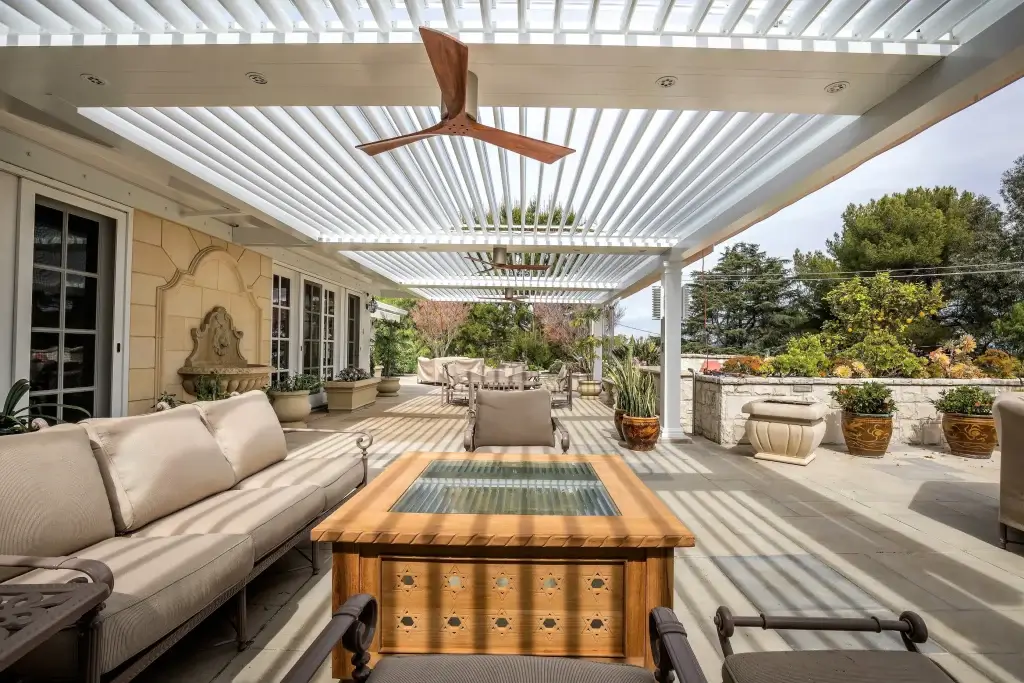
A professionally installed custom pergola is a permanent addition to your outdoor living space, whether it’s a patio, deck, or backyard. More than a temporary outdoor structure, a pergola represents an investment in your outdoor comfort and your home’s value.
To protect your investment, it’s important to keep your pergola looking clean and pay attention to regular maintenance. But what is a pergola maintenance routine like, and which materials are easiest to keep looking new and working properly?
In this guide from Skyview, we’ll give you an easy-to-follow overview of pergola maintenance. You’ll also find out which situations call for professional maintenance.
Does a Pergola Require a Lot of Maintenance?
For any homeowner who’s curious about pergola maintenance, the first question that comes to mind is probably, “How much work is this, really?” The maintenance demands of your pergola depend mostly on the material it’s made of:
- Wood pergolas: Require the most attention
- Vinyl pergolas: The middle ground when it comes to maintenance
- Aluminum pergolas: Lowest-maintenance option available
To give you a comprehensive guide complete with pergola maintenance tips, let’s break down what the process looks like for each material. Next, we’ll take a look at seasonal outdoor living structure care tasks.
How Do You Maintain a Wood Pergola?
Before investing in a wood pergola, it’s important to keep in mind that they require the most maintenance of any material. Even hardwoods like cedar have maintenance needs.
Without periodic cleaning and refinishing, wood is vulnerable to decay, cracking, and even pest infestation. Core tasks for a well-maintained pergola made of wood include:
- Cleaning: Use a soft brush and a mild soap in warm water to clean wood, and avoid power washing, as it can cause further damage to the structure (use vinegar or a specialized wood cleaner for stubborn stains or bird droppings).
- Pergola inspection: At least once a year, give your wood pergola regular inspections, looking for cracks, splinters, wear, and any loose fasteners.
- Protection treatments: Every few years, wooden pergolas should get a new coat of paint, stain, or sealant.
How Often Should You Stain or Seal a Wood Pergola?
Before defining pergola staining and sealing schedules, what’s the difference between a stain and a sealant? A stain is a wood finish that enhances the natural color of wood and protects it from UV rays. Pergola sealing, on the other hand, uses a clear protective coating that goes onto the wood surface to prevent moisture and rot.
Depending on how much sun exposure your pergola sees, as well as the climate in your area, you should re-stain the wood every 1-2 years and re-seal every 2-3 years.
Staining and sealing are time-consuming, so it may be tempting to skip this maintenance. However, neglecting your pergola’s wood finish can lead to premature wear like rot, warping, and insect damage.
In addition to a fresh stain and sealant application, you should also trim vines growing on your pergola about twice a year. Trimming also protects the wood from moisture, mildew, and rot.
How Do You Maintain a Vinyl Pergola?
Vinyl requires less maintenance than wood and has a lower entry price than most pergola materials. However, it’s far from impervious to wear and damage. While vinyl is naturally resistant to water damage and insect damage, it can degrade over time with prolonged sun exposure.
UV rays can cause vinyl pergolas to become brittle and crack, as well as fade their color. Vinyl can also warp under extreme temperatures, which leads to structural issues.
Unlike wood, if a single vinyl part gets damaged due to neglecting maintenance, there aren’t many options for repair. Instead, you usually need to replace entire sections of the pergola.
For vinyl pergolas to stay looking new, keep up with maintenance tasks, like:
- Rinse dirt and debris off with a garden hose (not a pressure washer).
- For mildew or other buildup, wipe with warm, soapy water.
- If stains don’t come off with mild detergent, you can use melamine sponges like a Magic Eraser.
- Check all fasteners for tightness.
Follow this checklist at least once a year for vinyl pergola maintenance. Every six months is best to extend the life of your pergola, however.
How Do You Maintain an Aluminum Pergola?
Aluminum pergola maintenance is much easier than that of a wooden one. Powder-coated aluminum is resistant to corrosion, rot, and insect damage.
Homeowners love the durability and longevity of aluminum. Best of all, it requires minimal care, with no refinishing, staining, or sealing.
Here’s how to clean a pergola made of aluminum:
- Blow off debris and remove dirt, leaves, twigs, etc.
- Wipe louvers with a soft-bristle brush or cloth and warm, soapy water.
- Rinse with a low-pressure garden hose (not a pressure washer) twice a year.
With an aluminum louvered pergola by StruXure, the slats are motorized. That means you can adjust the louvers with a remote or mobile app for easier pergola cleaning.
How Do You Care for Motorized Louvers and Smart Components?
While motorized pergolas offer convenience and functionality, they do require some regular care to stay working like new. These are some common louvered pergola maintenance tasks:
- Run the pergola through a full open/close cycle monthly to keep the motor lubricated and operational.
- Keep the tracks and guide rails clear of leaf buildup.
- Store any remotes in a dry location and replace batteries as needed.
- Check rubber gaskets and seals annually, and replace any that are cracked.
- Test any integrated fans, lighting, or heaters at least once each season (every three months).
Keeping up with motorized pergola maintenance helps ensure not only that your pergola stays looking new, but that the moving parts keep working as intended.
What Does a Seasonal Pergola Maintenance Schedule Look Like?
With every season, use the changing weather as a reminder to take care of your pergola’s maintenance needs. Here’s what each season’s maintenance checklist might look like:
Spring
- Give your pergola a proper cleaning.
- Check fasteners and the powder coat for chips and scratches.
- Tighten loose screws, bolts, nuts, etc.
- Test all motorized components.
- Check the gutters and downspouts.
Summer
- Clear any debris left over after storms.
- Monitor for vine overgrowth and trim as needed.
- Check for warping from extreme heat.
Fall
- Do a deep clean before the weather shifts
- Store outdoor furniture you don’t plan to use during the winter.
- Clear the gutters.
- Inspect all seals and weatherstripping for signs of wear.
Winter
- Keep louvers closed during heavy snow.
- Clear snow loads promptly rather than letting them accumulate.
When Should You Call a Professional for Pergola Maintenance?
In some situations, DIY pergola upkeep may not be enough for maintenance. Here are some pergola issues that usually call for a professional:
- Structural movement or shifting posts: Structural issues with your pergola (warping, tilting, or shifting) may point to a problem with the foundation or concrete posts in your yard, things only an experienced professional should handle.
- Rust or corrosion appearing on metal parts: Although aluminum is corrosion-resistant, it can become worn if the powder coat gets damaged, leading to problems with the pergola’s structural integrity.
- Motor malfunctions: If you notice mechanical problems or unusual sounds from motorized systems, have a technician inspect your system.
- Damage beyond surface-level touch-up: More extensive issues like deep cracks or water damage in wood or significant powder-coat failure may require professional repairs to prevent your pergola from failing completely.
To ensure your peace of mind, choose a pergola installation company that offers ongoing support. Skyview backs every pergola installation with a lifetime warranty. That means support is built into the experience of owning a pergola for Skyview customers and lasts for life.
Is a Low-Maintenance Pergola Worth the Investment?
Wood pergolas have a classic design aesthetic that many homeowners prefer, but they also come with much more rigorous maintenance demands.
Wood requires consistent pergola seasonal maintenance every year. Aluminum, on the other hand, is virtually maintenance-free beyond keeping it clean and testing the motorized parts every month or two.
Overall, the higher initial investment of a premium aluminum pergola system like StruXure pays for itself. Between saving time, avoiding costly repairs, and extending the pergola lifespan, it’s well worth the upfront cost.
If you’re considering adding a pergola to your outdoor space, a high-quality StruXure pergola from Skyview is a low-maintenance pergola option with a sleek, timeless design. High-quality powder-coated aluminum means easy cleaning and little to no maintenance.For expert guidance, contact Skyview today to schedule a free, no-obligation design consultation.


