

Is It Worth Replacing 20-Year-Old Windows?
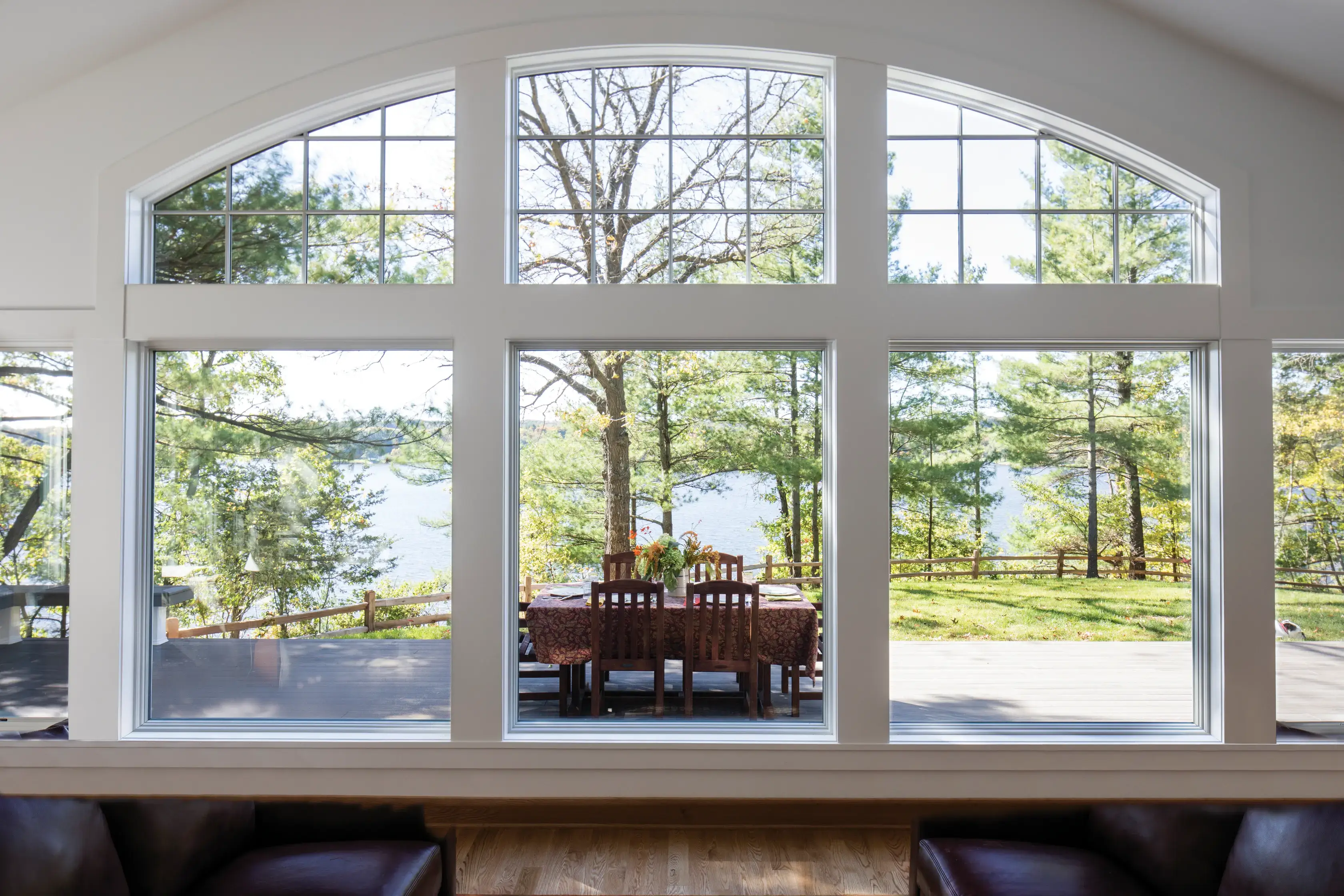
You’ve probably noticed your heating bills creeping up each winter, or maybe you’ve spotted condensation between your window panes. If your windows are around 20 years old, you’re right to question whether it’s time for an upgrade. The short answer: yes, replacing 20-year-old windows typically delivers meaningful returns through lower energy bills, improved comfort, and increased home value. Let’s break down exactly what’s happening with your aging windows and when window replacement makes the most financial sense.
Why Do 20-Year-Old Windows Need Attention?
After two decades of expanding and contracting through Michigan’s temperature swings, your windows have been working overtime. This constant stress takes a toll that isn’t always visible at first glance.
What Happens to Windows After Two Decades?
Old windows deteriorate in predictable ways. The seals that keep moisture and air out gradually fail, allowing air leaks that compromise your home’s energy efficiency. Window frames can warp, rot, or develop gaps that weren’t there when first installed. This is especially true for older wood frames. Even vinyl windows from the late 1990s or early 2000s become brittle and discolored, while weatherstripping loses flexibility and no longer creates a tight seal against drafts.
How Have Window Technologies Changed in 20 Years?
Here’s where the value proposition gets interesting. Twenty years ago, double-pane windows with basic insulation were considered adequate. Today’s energy-efficient windows use Low-E coatings that reflect heat back into your home during winter and keep it out during summer. Modern windows feature argon gas fills between panes that provide superior insulation, and triple-pane windows offer even more protection against Michigan’s harsh winters.
What Are the Signs Your 20-Year-Old Windows Should Be Replaced?
Not every 20-year-old window needs immediate replacement, but certain warning signs indicate you’re throwing money out the window… literally.
To learn about all of the top signs you need to replace your home’s windows, read our blog!
How Can You Tell If Window Seals Have Failed?
Look for condensation or fog between window panes. This unmistakable sign means the seal has failed and the insulating gas has escaped. You might also notice a milky appearance on the glass that won’t clean off: that’s mineral deposits from trapped moisture. If you see daylight around the frame perimeter when closed, or feel air movement on windy days, the seals have deteriorated beyond repair.
Why Do Old Windows Let in Cold Air?
Single-pane windows offer virtually no insulation barrier, but even older double-pane units develop problems. Weatherstripping hardens and cracks over time, creating gaps that allow cold air to infiltrate during the winter months. This forces your HVAC system to run constantly, driving up energy costs while never quite achieving comfortable temperatures. Damaged windows with cracked panes create direct pathways for outdoor air, letting warm air escape in winter.
What Are the Benefits of Replacing 20-Year-Old Windows?
Beyond eliminating those annoying drafts, new windows deliver multiple advantages that justify the investment.
How Much Can New Windows Save on Energy Bills?
Michigan homeowners can save $126 to $465 annually when replacing 20-year-old windows with energy-efficient models, according to the U.S. Department of Energy. For a home spending $2,000 annually on heating and cooling, that’s meaningful savings. Most homeowners recover their investment within 10-15 years, well within the 20-30 year lifespan of quality replacement windows.
The real value compounds over time. As energy rates continue rising, your savings increase annually. Plus, energy-efficient windows reduce wear on your HVAC system by maintaining more stable indoor temperatures.
How Do New Windows Improve Home Comfort?
This benefit shows up immediately. New windows eliminate cold spots near window areas during winter and reduce solar heat gain that makes certain rooms unbearable in summer. You’ll notice fewer drafts, more consistent temperatures throughout your home, and better noise reduction. Triple-pane windows with argon gas fills create such effective insulation that window surfaces stay closer to room temperature, eliminating the cold radiating effect you feel near older windows.
Beyond comfort, modern windows boost your home’s curb appeal with cleaner sight lines and contemporary styling options that can increase resale value by thousands of dollars.
When Is the Best Time to Replace Your Windows?
Timing your window replacement strategically can optimize both the installation experience and your budget.
What Time of Year Should You Replace Windows?
Summer installation offers ideal conditions. Moderate temperatures make the installation process more comfortable and prevent your home from losing excessive heat during the work. Spring and fall work well too, giving you upgraded windows before extreme temperatures hit. Whatever season you choose, booking several months in advance ensures you get your preferred timeframe with quality installers.
Cost of Window Replacement
Labor costs for professional installation typically run $100-300 per window, depending on window size and complexity. This investment in professional installation pays dividends, since improper installation negates even the best window’s performance benefits. Quality window installers ensure proper flashing, sealing, and squaring, which prevents future problems.
When budgeting to replace your windows, expect total costs of $400-1,200 per window for standard sizes. While that may seem substantial up front, remember you’re buying 20-30 years of improved comfort, lower utility bills, and increased home value.
Ready to Stop Wasting Energy and Money?
If your 20-year-old windows are showing signs of wear, you don’t need to spend another winter fighting drafts and high energy bills. Skyview specializes in replacement windows that deliver real performance for Michigan homeowners. Contact us today for a free consultation and discover how much money you could save on heating and cooling costs. Our services also include many other outdoor living solutions, such as StruXure pergolas, TimerTech decks, MagnaTrack screens, and glass systems.
Ready to see how we can help? Contact us today to schedule a consultation or ask any other questions you have about our services. our window replacement project.
Frequently Asked Questions
When is it worth replacing all my windows at once?
It’s worth replacing all your windows at once when multiple units are drafty, hard to operate, showing moisture between panes, or nearing the end of their lifespan. Doing the project together ensures consistent energy efficiency, better pricing per window, and a uniform look for your home.
How can I tell if my windows are showing signs of damage?
Common signs include drafts, rising energy bills, condensation between the glass, rotting frames, water leaks, difficulty opening or closing, and outside noise becoming more noticeable indoors. These issues usually mean the seal or the frame has failed.
Can windows last 30 years?
Yes, high-quality windows can last close to 30 years, but most start losing energy efficiency and performance after 20–25 years. Even if they still function, older windows typically don’t insulate as well as modern replacement windows.
At what age should you replace windows?
Most windows should be evaluated for replacement after about 20 years. If they are drafty, inefficient, or showing visible wear before that, replacing windows sooner can improve comfort, lower energy costs, and increase home value.


