

Do I Need A Permit To Build A Pergola In Texas?
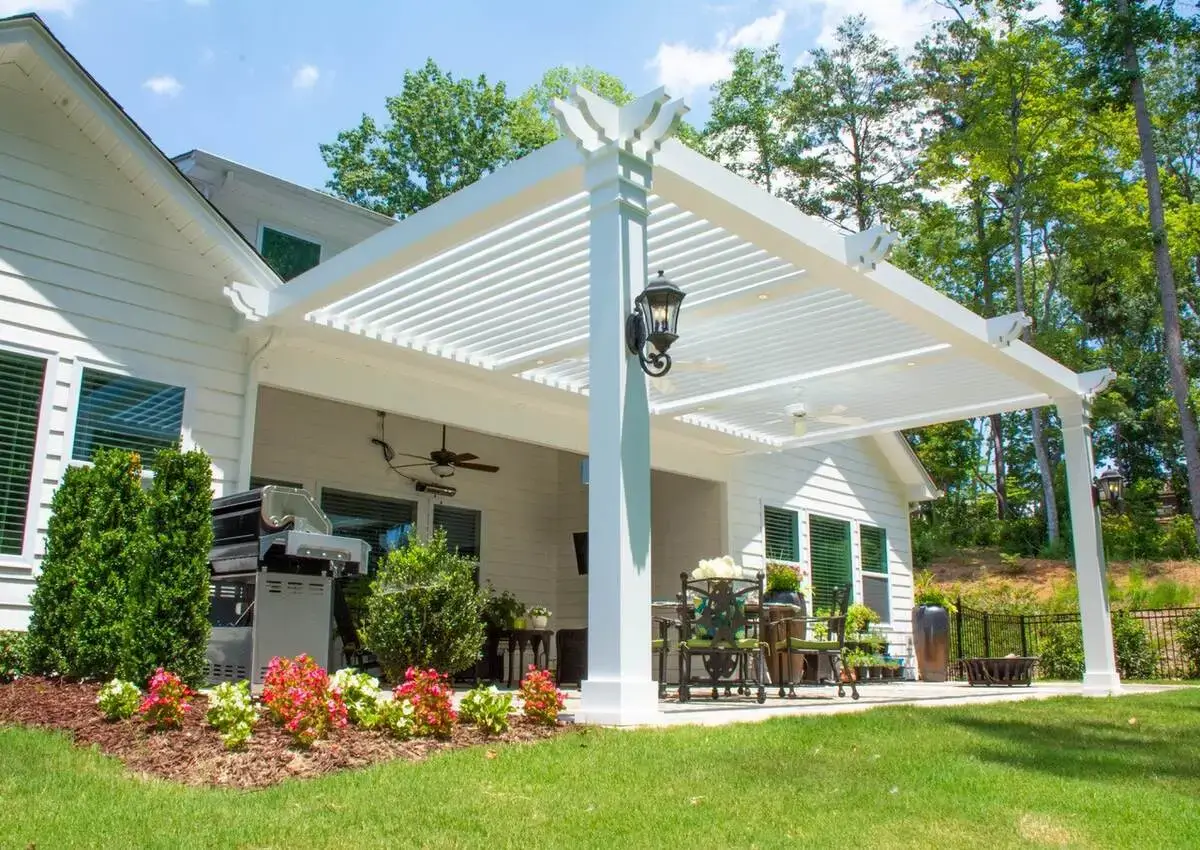
Do You Need a Permit to Build a Pergola in Texas?
When considering the installation of a pergola in Texas, it’s essential to understand the requirements for obtaining a building permit. Generally, the need for a permit varies depending on the size and location of the pergola as well as local building regulations. It’s advisable to consult with local authorities or a professional to determine the specific requirements for your project. Getting the right permit can prevent future legal issues and ensure that your structure adheres to safety standards. At Skyview USA, our pergola builders are well-versed in Texas permitting requirements and specialize in designing custom pergolas that are both beautiful and compliant.
General Overview of Building Permits in Texas
In Texas, building permits serve as a regulatory framework to ensure safety, structural integrity, and adherence to local codes. While some small projects might escape the need for a permit, most constructions, especially those altering property lines or impacting structural safety, will require one. Permits are typically issued by the city or county building department concerned with enforcing zoning laws and building codes.
Specific Requirements for Pergolas
Whether you need a permit for a pergola in Texas largely depends on local ordinances in the city where you reside. Some cities may require a permit for any structure that affects the aesthetic or structural aspects of the property, while others might not. It is crucial to determine the classification of your pergola; whether it is considered an outdoor accessory structure or part of a larger landscape project could change its permit status.
Variations in Regulations Across Different Cities
Texas is vast, and regulations can differ significantly from one city to another. For instance, in Houston, projects that alter the visible aspects of your property generally require a permit, including pergolas, to ensure compliance with building codes. Meanwhile, in Austin, there may be specific exemptions based on the pergola’s size or location on the property. Always check with your local building authority to get the most accurate and relevant information.
How Big Can a Pergola Be Without Planning Permission?
When contemplating the construction of a pergola in Texas, understanding the size limitations that may trigger the need for planning permission is crucial. Generally, pergolas that are smaller in size may not require specific planning permission; however, it is crucial to consult local building codes and ordinances to ensure compliance. Regulations can vary significantly depending on the city or county you reside in.
Statewide Regulations on Structure Sizes
Statewide, Texas does not provide a single, unified regulation concerning the size of outdoor structures like pergolas. Rather, it relies on local jurisdictions to establish their own guidelines. Typically, these regulations consider factors like footprint, height, and proximity to property lines. As a rule of thumb, structures that exceed a specific square footage or height may necessitate planning permission.
Criteria Affecting the Need for Planning Permission
Several criteria determine whether a pergola warrants planning permission. This may include its proximity to other structures, whether it’s attached to your home, and its intended use. For example, pergolas intended to support heavy materials or shelter vehicles could face stricter scrutiny. Other factors like district zoning laws may also impact requirements.
Examples of Size Limits for Pergolas
While specific guidelines can differ, many cities may permit pergolas up to 120 square feet to be constructed without requiring formal planning permission. In rural areas, these limitations might be more relaxed. However, regardless of the necessary permissions, it’s always a good idea to inform neighbors of your project and comply with community standards.
In conclusion, understanding local planning permission requirements for pergolas in Texas is imperative for any homeowner wishing to add this elegant feature to their outdoor space. It can elevate your home’s aesthetic and functional appeal but requires foresight and perhaps a bit of due diligence.
How Big of a Structure Can I Build Without a Permit in Texas?
In Texas, the size of a structure that can be built without a permit often depends on both the type of structure and the local building codes of specific cities or counties. Generally, structures with a smaller footprint or less impact on the environment and surrounding community may not require a permit.
Common Size Limits for Various Structures
For many municipalities across Texas, detached structures such as sheds or pergolas that are less than 200 square feet may not require a building permit. However, it’s crucial to check with local building authorities, as these size limits can vary. For example, in more urban areas, the size limit may be reduced to ensure safety and adherence to neighborhood aesthetic standards.
Considerations for Permit Exemptions
Several factors can affect whether a permit is needed, regardless of the size. For instance, the intended use of the structure, proximity to property lines, and overall height may influence permit requirements. Structures like fences, carports, or gazebos might also fall under specific local regulations.
Examples of Structures That Typically Don’t Require Permits
Besides sheds and pergolas, certain renovations or modifications, such as minor repairs or installations that do not involve structural, plumbing, or major electrical work, often do not require permits. Building smaller decks or patios that are close to the ground may also qualify for permit exemptions, depending on local ordinances.
To ensure compliance, it’s always recommended to reach out to your local building department before beginning any construction project. They provide guidelines on what structures are exempt from permits and any specific criteria your project needs to meet. This proactive approach helps avoid potential fines or mandatory removals should your build be deemed non-compliant after completion.
What Can You Build in Texas Without a Permit?
In Texas, homeowners have the flexibility to pursue numerous projects without obtaining a building permit. While regulations vary by city and county, many small-scale projects are generally exempt from permitting processes. Knowing the types of structures and renovations you can accomplish without bureaucratic hurdles is essential for planning your next home improvement or expansion project.
Overview of Projects That Generally Don’t Need Permits
Generally, projects that do not alter the structure of a building or impact its safety may not require a permit. These typically include simple repairs, cosmetic improvements, and minor landscaping. For instance, painting, wallpapering, and installing carpeting are common non-permit activities. However, always check local codes as they can vary.
Types of Small Structures Exempt from Permits
Many small structures are also exempt from needing permits. Structures such as garden sheds, playhouses, and greenhouses might not require permits if they are below a specific size, often around 200 square feet. Additionally, temporary structures, such as event tents or pop-up shops, might be set up without special permission, depending on their duration and intended use.
Impact of Project Types on Permit Requirements
The type of project you undertake significantly influences the permit requirements. Projects that involve electrical, plumbing, or significant structural changes almost always require permits due to safety and regulatory reasons. However, building a fence under a certain height—often six feet—or installing interior shelving may bypass the need for official permitting, adding ease to personal projects.
Reinvent your space with ease and freedom through Skyview Detroit’s expert services. Explore creativity with our elegant, non-bureaucratic solutions, turning your property dreams into reality with innovation and sophistication.
Contact us today for a free custom quote or to ask any other questions you have. We’re here and ready to help!


