

Do I Need A Permit To Build A Pergola In Michigan?
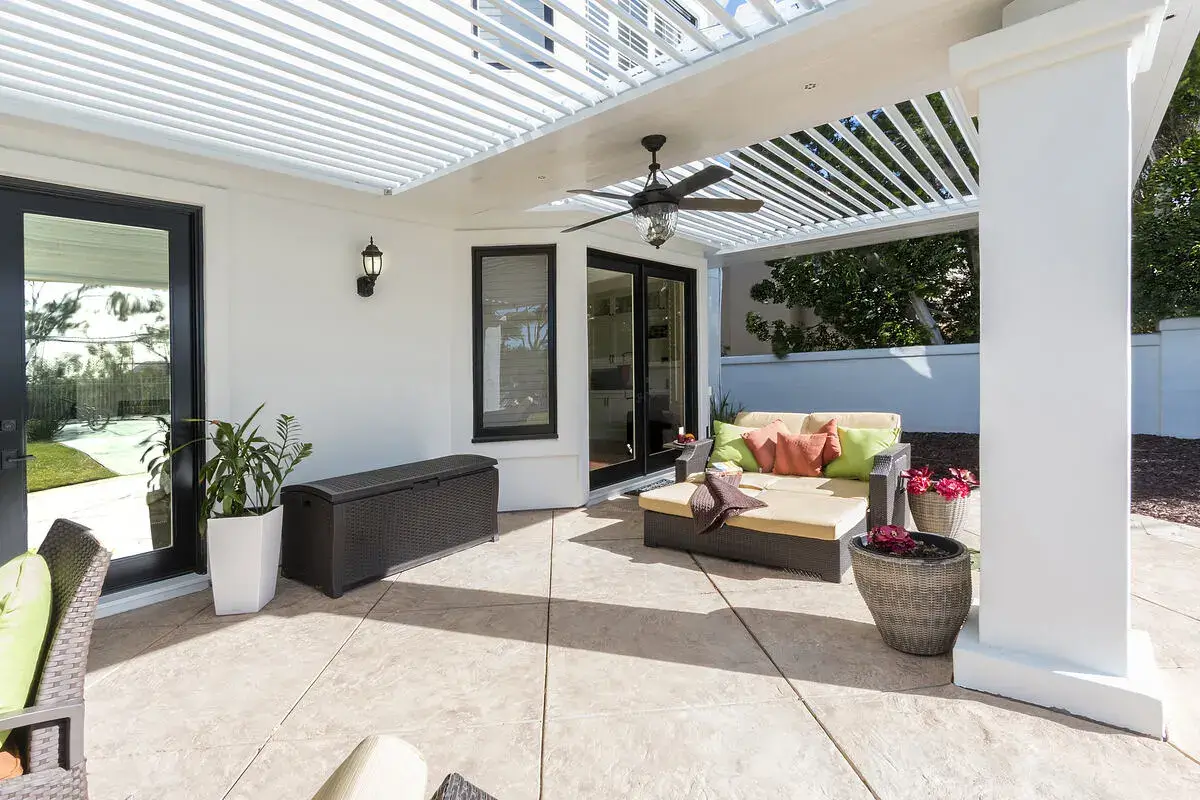
How Big Of A Structure Can I Build Without A Permit In Michigan?
In Michigan, the size and type of structure you can build without a permit are generally dictated by local building codes and regulations, which vary by county. Usually, smaller structures like sheds or pergolas may be exempt from permitting requirements if they do not exceed a specific square footage. However, it is crucial to confirm these limitations with your local building authority. At Skyview USA, our experienced Detroit pergola builders stay up to date with Michigan building regulations to help you design and construct custom spaces that meet code and exceed expectations.
Explanation of Size Limitations for Structures Without Permit
Most counties in Michigan allow homeowners to build structures under a certain size, often ranging from 100 to 200 square feet, without a permit. These restrictions typically apply to non-habitable structures that do not require extensive foundation work or are not connected to utilities. This includes standalone sheds and possibly small pergolas, but it’s important to always verify the exact square footage allowed with the local building department.
Impact of Local Zoning Laws and Regulations
Local zoning laws and regulations significantly impact what you can construct without a permit. Zoning laws may impose restrictions not just on the size but also the height and placement of the structure on your property. For example, even if a pergola is small enough to not require a permit, it must still meet zoning regulations regarding distance from property lines and existing structures.
Variation in Rules by County
Building rules in Michigan can vary greatly by county, so it’s imperative for homeowners to consult their county’s specific regulations. Some counties may have more lenient laws, while others could impose stricter guidelines based on community standards or environmental factors. Accessing your local zoning office’s website or visiting the office can provide you with detailed information on permissible structures and county-specific limitations.
Can You Build A Pergola Without Planning Permission?
Planning permission is a crucial consideration when contemplating constructing any outdoor structure, including a pergola. In Michigan, the planning permission requirement can be influenced by several factors, such as the size, location, and intended use of the pergola. Most commonly, a pergola may not require planning permission if it meets specific criteria relating to height, distance from property boundaries, and adherence to homeowners’ association rules or historic district regulations.
To understand what constitutes planning permission, it’s essential to recognize that this is a legal requirement set to ensure that the proposed structures align with local zoning laws and community standards. For pergolas, the need for planning permission often depends on whether the structure exceeds certain dimensions or significantly impacts the landscape. In urban areas or those with historic preservation standards, planning permission might be more stringent.
What Factors May Require Planning Permission?
Several factors can necessitate obtaining planning permission for a pergola. These include building the pergola within a specified distance from the property boundaries, exceeding height limitations imposed by local regulations, and integrating additional features like electrical installations. Such additions may transform a simple pergola into a more complex structure, invoking additional permit requirements.
Understanding Considerations for Pergola Construction
Specific considerations must be taken into account when planning to build a pergola. One must evaluate the overall impact on site drainage, the implications of snow load in winter, and adherence to neighborhood architectural aesthetics. Consulting with a local architect or contractor familiar with Michigan’s building regulations is often a wise step, ensuring compliance and avoiding unnecessary legal hurdles.
Additionally, contacting your county’s planning department or visiting their website can provide up-to-date information on local permit requirements. Each county may have different rules and prioritize compliance with them to ensure the pergola not only enhances the property but also adheres to all regulatory standards.
What Can A Homeowner Do Without A Permit In Michigan?
In Michigan, homeowners enjoy the freedom to make a variety of improvements and alterations to their property without the need for a building permit, allowing for quick and hassle-free updates to their homes. Generally, tasks such as painting, flooring, and replacing basic fixtures like lights and taps do not require permits. These minor home improvements can help enhance your living space, offering both aesthetic and functional benefits without the burden of bureaucratic processes.
Activities that typically don’t require permits
One of the greatest advantages for homeowners in Michigan is the ability to engage in a number of small-scale projects without requiring permits. These typically include tasks like painting, wallpapering, and the installation of carpet or other floor coverings. Additionally, replacing or repairing kitchen cabinets, countertops, and certain appliances also often do not require official clearance. Yet, while you may not need a permit, these improvements must still comply with applicable local regulations.
Differences between major and minor home improvements
It’s crucial to differentiate between minor and major home renovations, as the latter often trigger the need for a building permit. For example, any structural alterations, such as adding new walls, large-scale plumbing, electrical works, and major heating or cooling updates typically require approval. A good rule of thumb is if your project affects the structural integrity or safety of your home, a permit is likely needed. The costs for these permits can vary significantly depending upon the nature and scale of the project. This costs are included in the average costs to build a pergola.
Consultation with local authorities for compliance
While minor tasks don’t necessitate permits, it’s advisable to consult with your local building department to confirm compliance with all relevant zoning and building codes. The regulations and requirements can vary from county to county, and what might be permissible in one area may not be permissible in another. By utilizing resources such as the Michigan Building Permit Search, homeowners can learn more about specific regulations and understand the potential cost and procedure of obtaining a permit for larger projects. Additionally, documentation confirming that a permit is not needed can be beneficial, as it provides peace of mind knowing your project is compliant with local laws.
How Far From the Property Line Can I Build A Pergola?
Understanding how far from the property line you can build a pergola is crucial for complying with local regulations in Michigan. The general rule for such structures involves adhering to specific setback requirements, which are the minimum distance you must maintain between your property line and your pergola. These setbacks often vary depending on the local zoning ordinances of your community, which are designed to ensure safe and fair usage of land among neighbors.
Understanding Property Line Regulations
Property line regulations can significantly impact where you can place your outdoor structure. In Michigan, each municipality may have slightly different rules, which are shaped by local zoning laws. Generally, setbacks from property lines can range from five to fifteen feet, but it’s important to always verify these specifics with your local zoning office. Some communities may have relaxed regulations for open structures, while others maintain strict policies to preserve privacy and light.
Legal Setbacks and Boundary Considerations
Along with setbacks, there are other boundary considerations to keep in mind when planning a pergola. These include utilities, easements, and existing vegetation or landscaping stipulations. A utility easement is an area where utility companies are allowed to install and maintain their services, and these areas are typically off-limits for permanent structures. Ensuring you avoid these critical areas will help you avoid potential legal issues down the line. Additionally, discussing plans with neighbors can alleviate potential disputes regarding shade, views, or property aesthetics.
Consulting Local Building Authorities
Before you finalize your design, it’s crucial to consult with local building authorities. They can provide clear insights into any specific ordinances or restrictions that might apply to your pergola. Authorities can also inform you whether building permits are public records in Michigan and assist you in conducting a Michigan Building Permit Search if necessary. This search can ensure compliance with any necessary permits and will provide a record of your adherence to local codes, protecting you in future property transactions or inspections.
Enhance your outdoor living space with grace and compliance by choosing Skyview Detroit’s bespoke solutions. From pergolas to elegant sunrooms, we blend sophistication with mindful innovation to bring your dream retreat into a reality.
Contact us today for a free custom quote or to ask any other questions you have. We’re here and ready to help!


