

Do I Need A Permit To Add A Sunroom To My House In Michigan?
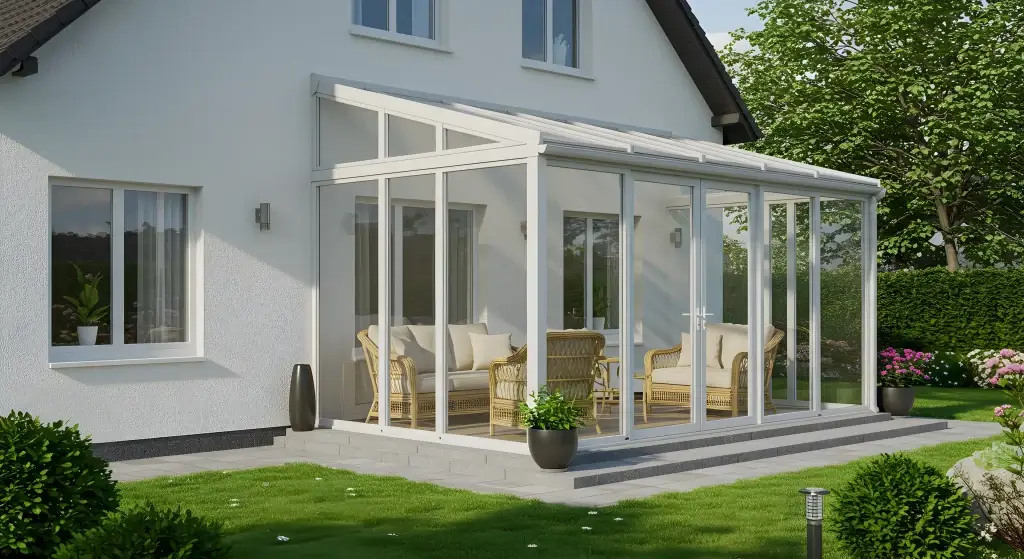
Yes and understanding why is the first step before exploring sunroom room ideas or moving forward with any sunroom additions in the Detroit area. Sunrooms are not cosmetic upgrades. Under Michigan building codes, they are classified as structural additions because they alter the footprint of the home, often require foundation work, and connect directly to load-bearing walls. That makes a sunroom permit a non-negotiable part of the process in virtually every municipality across the state. In this article we break down exactly when a permit is required, what the process looks like, and how Skyview handles it all on your behalf.
Do You Need a Permit for a Sunroom in Michigan?
Short answer: Yes, for a sunroom addition, permit requirements are usually fairly strict.
Building a sunroom alters the footprint of a home, and the addition requires structural support. If you’re planning a project like Detroit Sunroom Home Additions, getting a building permit helps ensure the project complies with local zoning ordinances and building codes.
If you plan to add electrical, plumbing, or HVAC connections to the sunroom, permit costs in Michigan may be even higher.
What Types of Sunrooms Require Permits in Michigan?
There are a select few situations where a Michigan sunroom permit may be unnecessary. However, these cases are rare, and it’s best to get in touch with the Detroit Buildings, Safety Engineering, and Environmental Department (BSEED) to confirm.
When Are Building Permits Required?
A building permit is required for a sunroom with any of the following characteristics:
- It is attached to the house.
- It has a roof.
- It is larger than 200 sq ft.
- It has HVAC, electricity, or insulation
As you can imagine, this covers almost any type of sunroom addition. The only time you might be able to get away with a sunroom addition without a permit is adding walls to a small existing covered porch. However, even this project likely counts as a structural change.
What’s the Difference Between Three-Season and Four-Season Room Permits?
Three-season rooms are intended for use in the spring, summer, and fall, while four-season rooms are suitable for year-round use. Four-season rooms tend to have more robust insulation and often include heating and/or electricity. Here are the differences in permitting requirements:
- Three-season room permit: Operates more like a covered patio, little or no insulation, usually built around an existing porch.
- Four-season room permit: Counts as an expansion of living space, usually requires electrical and HVAC permits in addition to construction permits, window panes must adhere to energy efficiency requirements.
How Do You Get a Sunroom Permit in Michigan?
Beyond the building permit, you have to be a licensed residential builder to add a sunroom to a home in Michigan. For homeowners considering a DIY sunroom, permits can only be obtained after securing a license. It’s important to note that a sunroom addition is an extensive undertaking, and only experienced construction professionals should attempt it.
Getting a sunroom permit in Michigan involves the following steps:
- Submitting a site plan with a design by a registered architect or engineer
- Having an engineer survey the soil and recommend a foundation type
- Clearly list construction types, fire resistance, and use case for the structure
- Demonstrate the structure’s height and area compliance and points of egress
- Provide all structural alterations planned for the project
What Happens If You Build a Sunroom Without a Permit?
Even in cases where a permit might not be required, it’s best to just cover your bases and go through the permitting process. Building a sunroom without a permit in Detroit can lead to all sorts of negative consequences, such as:
- Misdemeanor charges: Building without a permit can be a code violation punishable by a fine up to $500 or even jail time.
- Forced demolition: The city may put in a stop work order or demand the addition be removed.
- Insurance problems: Insurers may refuse to cover a home with an unauthorized sunroom addition.
- Trouble selling: Even if you don’t run into issues building a sunroom without a permit, it may not pass an inspection if you decide to sell your home.
How Skyview Handles Permits for Your Michigan Sunroom Addition
The biggest hurdle in adding a sunroom to your home is getting the appropriate permits and licensing. Building permits ensure the structure is safe to occupy and complies with local codes.
Skyview is the premier window installation company for Detroit sunroom home additions. Not only do we specialize in work on Michigan homes, but we’ll also take care of all the permitting for your project. That means you don’t have to worry about contacting the city, hiring engineers and architects, or endless paperwork.
Contact us today to set up a free consultation and find out more about our LivingSpace Sunrooms.


