

Conservatory Room vs a Sunroom: Which Is Right for Your Home?
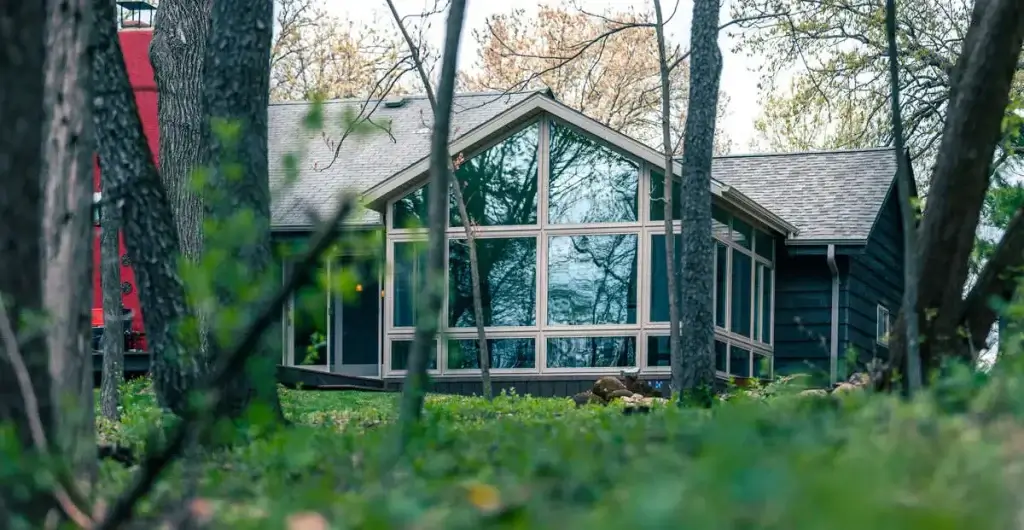
Planning a home addition that brings the outdoors in? If you’re exploring Detroit sunroom home additions, you’ve likely encountered two popular options: conservatories and sunrooms. While both offer abundant natural light and more living space, they serve different purposes and perform very differently in Michigan’s climate. Understanding the key differences helps you make the right investment.
What Is a Conservatory Room?
A conservatory room is a glass enclosed space with transparent walls and a glass roof designed to maximize natural sunlight exposure. Traditional conservatories originated in Europe as elegant structures for growing exotic plants, featuring ornate frameworks and extensive glazing. Today’s conservatories maintain that emphasis on maximum sunlight through floor-to-ceiling glass panels and overhead glazing.
How Are Conservatories Different from Traditional Rooms?
Conservatories use more glass surfaces instead of insulated walls and solid roofs. The brick base is minimal, with transparent materials dominating the structure. This design prioritizes direct sunlight over temperature regulation, making conservatories ideal spaces to grow plants but more challenging to maintain as a climate-controlled living space.
What Is a Sunroom?
A sunroom is an insulated home addition designed to function as a true extension of your living space throughout all four seasons. Unlike conservatories, sunrooms feature insulated walls, thermal windows, and solid roofs with proper insulation. Modern four-season sunroom designs blend large windows for natural light with the structural integrity needed to maintain comfortable temperatures.
Why Are Four-Season Sunrooms Popular in Michigan?
Michigan’s extreme weather makes four-season sunroom additions particularly valuable. LivingSpace Sunrooms, the brand Skyview USA specializes in, feature superior insulation that keeps warmth in during cold weather and helps you stay cool when temperatures spike. This year-round comfort transforms a sunroom addition into more space you’ll use daily, whether as a family room, dining area, or relaxation retreat.
What Are the Key Differences Between a Conservatory and a Sunroom?
The main differences between a sunroom and a conservatory come down to construction approach and intended use. Conservatories prioritize aesthetics and light exposure, while sunrooms balance natural light with practical functionality.
How Do Materials and Construction Differ?
Materials distinguish these additions significantly. Conservatories use extensive glazing, with glass walls and a glass roof supported by aluminum or uPVC frameworks. Sunrooms employ insulated walls with strategically placed windows, thermal glass, and conventional roofing materials that match your home’s style. The structure of a sunroom integrates with existing architecture as a seamless extension, affecting both curb appeal and functionality.
Which Option Offers Better Year-Round Comfort?
For year-round use, sunrooms deliver superior performance. When clouds roll in during winter, conservatories lose heat rapidly through all that glass. Summer brings the opposite problem: direct sunlight through the roof creates a greenhouse effect. Sunrooms built to four-season standards maintain consistent temperatures through proper insulation and integrated climate control, making them a popular choice for homeowners wanting more living space they’ll actually use daily.
Is a Sunroom Better Than a Conservatory?
“Better” depends on your priorities, though for Michigan homeowners seeking year-round comfort, sunrooms provide more value. If you want a perfect space for daily living that’s a functional extension of your home, a four-season sunroom delivers. Conservatories excel when you prioritize maximum natural light exposure and don’t need the space to maintain precise temperatures. However, most Metro Detroit families benefit more from the versatility and energy efficiency of properly constructed sunrooms.
What Are the Downsides of a Conservatory?
The primary disadvantages center on temperature control and energy efficiency. Conservatories require significant heating in winter and cooling in summer to remain comfortable, driving up utility costs. The glass roof and extensive glazing make climate control challenging. Condensation issues arise when cold weather meets warm interior air. Additionally, planning permission and architectural style integration can prove more complex when adding a predominantly glass structure to traditional home designs.
Do Conservatories Devalue Your House?
Conservatories don’t inherently devalue homes, but they don’t add value as reliably as quality sunroom additions. Potential buyers view conservatories as specialty spaces with limited functionality in four-season climates. In contrast, energy-efficient sunrooms that expand functional living space provide a stronger return on investment.
What Is the Disadvantage of a Sunroom?
The main trade-off is sunlight exposure. While sunrooms provide ample natural light through large windows, they don’t deliver the same ceiling-to-sky glass experience with more sunlight from overhead glazing. Sunrooms also require more substantial construction than conservatories. However, these trade-offs enable the superior insulation and year-round functionality that most homeowners prioritize.
Which Is Right for Your Detroit Home?
The right choice connects directly to how you’ll use the space. If you need another family room, home office, or dining area that performs like the rest of your house, a four-season sunroom makes practical sense. If you’re passionate about growing plants or want a seasonal retreat, a conservatory might align with your vision.
What Should You Consider for Michigan’s Climate?
Michigan’s weather extremes make climate performance critical. When evaluating a conservatory or sunroom, consider which option you’ll actually use in January and August. Four-season sunroom designs like Living Space Sunrooms are engineered for our climate, meaning they handle temperature swings while maintaining energy efficiency. They create usable living space rather than expensive seasonal additions you avoid during weather extremes.
How Can Skyview Help You Choose the Best Option?
Skyview USA specializes in Living Space Sunrooms throughout Metro Detroit, including Oakland County, Wayne County, Ann Arbor, South Lyon, and Livingston County. We offer free design consultations with custom 3D video renderings before you make any commitment. You’ll see exactly how your new room integrates with your existing home’s style. Our Cathedral and Studio sunroom options provide year-round comfort backed by a 100% lifetime warranty. Projects install in less than a week. Ready to explore your options? Contact Skyview USA to schedule your consultation and discover how a four-season sunroom can transform your Metro Detroit home.


