

Is It Better To Have A Deck Or A Patio?
What Are The Main Differences Between A Deck And A Patio?
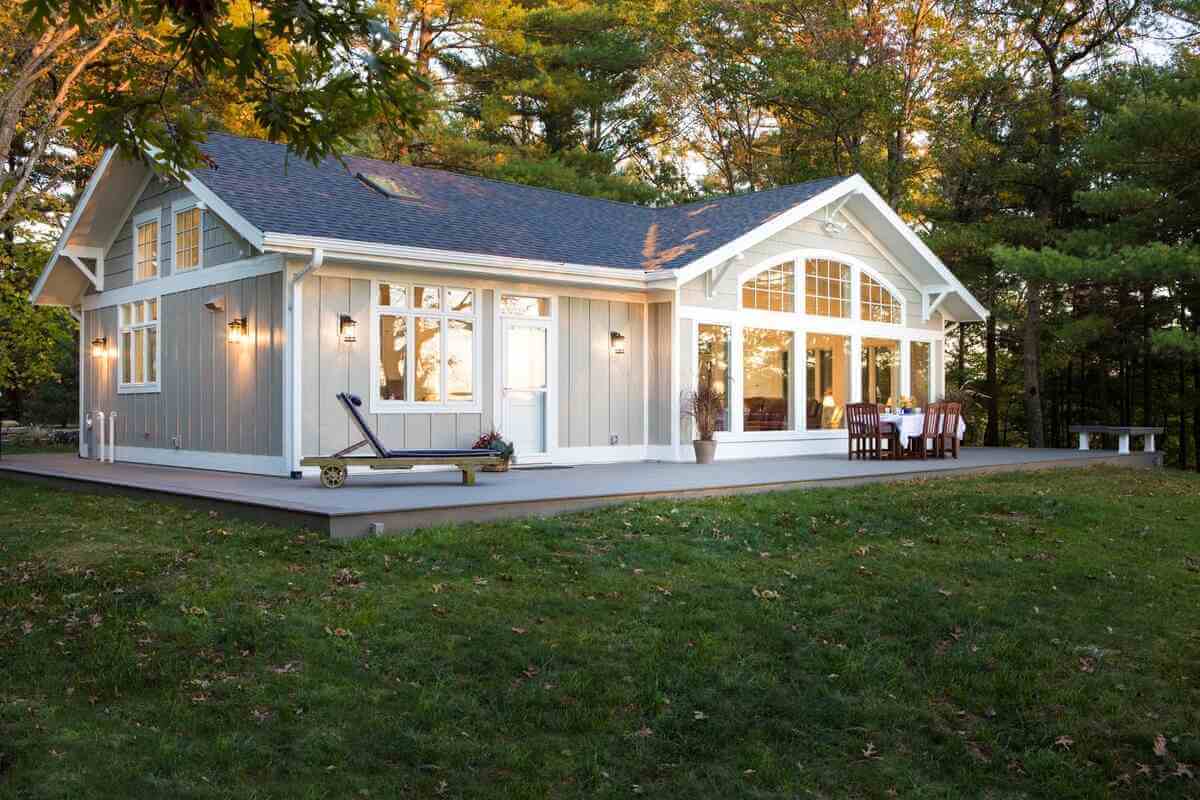
Understanding the deck vs patio debate begins by appreciating that these two outdoor living space options are fundamentally distinct in their design, structure, and function. At their core, decks are typically elevated platforms constructed from wood or composite materials, while patios are ground-level spaces, most often built from stone, pavers, or concrete. Each can transform your home’s exterior into an inviting retreat, but their differences have a meaningful impact on their suitability for your unique property.
Get in touch with Skyview today to book your consultation!
Definition And Structure Of A Deck
A deck is an elevated structure, usually attached to the back or side of a home, supported by posts or pillars. These deck features empower homeowners to enjoy treetop views or overlook gardens, creating a sense of openness and connection with nature. Decks are commonly made from natural woods such as cedar or redwood, or low-maintenance composite materials, offering both aesthetic charm and lasting durability.
Definition And Structure Of A Patio
By contrast, a patio is a flat, ground-level surface integrated into your landscape. Patio features include using materials like concrete, brick, stone, or pavers, crafted into versatile shapes and designs. Patios seamlessly blend with gardens, lawns, or pools, ideal for those who envision a tranquil, earthy gathering space underfoot.
Typical Materials For Decks Vs Patios
Material selection is a cornerstone in the deck vs patio conversation. Decks boast materials like pressure-treated wood, exotic hardwoods, or innovative composites, each with unique colors and grain patterns. Patios, meanwhile, feature resilient materials such as stamped concrete, flagstone, or ceramic pavers, allowing for creative inlays and mosaics that complement a variety of architectural themes.
Usability On Sloped Vs Flat Terrain
If your property harbors uneven or sloped terrain, decks offer a distinct advantage: their elevated construction makes building over hills or obstacles achievable. Patios, requiring flat and stable ground, are perfectly suited for level yards, often becoming an extension of the indoor space through wide doors or pathways.
Common Placement Around The Home
The placement of decks and patios is influenced by location and intended use. Decks shine when attached directly to the house, ideal for second-story entries or where maximizing views is essential. Patios can be attached or detached, serving as private courtyards, dining nooks, or tranquil hideaways nestled among blooming gardens.
Is It Better To Have A Deck Or Patio, Depending On Your Yard?
The ideal choice for your outdoor living space depends deeply on your yard’s layout and your lifestyle. If you seek elevated views or need to overcome terrain challenges, a deck can elegantly expand your horizons. For homes with vast, flat yards, a patio nurtures a seamless transition from indoors to the serenity of nature just outside your door, forging unforgettable outdoor experiences crafted just for you.
Which Is More Affordable: A Deck Or A Patio?
When comparing the affordability of a deck and a patio, patios usually emerge as the more budget-friendly choice for most homeowners and business owners. The upfront cost for installing a patio is generally lower, thanks to simpler construction and fewer structural requirements. Decks, especially elevated or multi-level designs, require more materials and professional expertise, often making them a higher initial investment. However, understanding the costs involves more than just the starting price; it encompasses materials, installation, size, and long-term value.
Average Cost For Building A Deck
Building a deck often ranges from moderate to high in terms of cost. On average, professionally installed decks can cost between $30 and $60 per square foot, depending on the material—pressure-treated wood, composite, or exotic hardwoods. Elevated decks or those with intricate designs and railings will naturally increase expenses. Labor for decks is typically higher because they require foundational elements such as posts, beams, and framing. While decks can offer a luxurious feel and dramatic outdoor views, it’s important for homeowners to factor in both the upfront outlay and the potential for future maintenance.
Average Cost For Building A Patio
A patio, by contrast, is typically more affordable, averaging $10 to $20 per square foot for materials and installation. Patios are usually constructed at ground level using concrete, pavers, stone, or brick, which are less labor-intensive to install than decks. The simplicity of excavation and the ability to adapt to various terrain types add to patios’ cost-effectiveness. For those seeking an elegant outdoor living space on a more modest budget, patios provide immense value without sacrificing beauty or function.
Factors Affecting Cost: Materials, Size, And Complexity
The final cost of your outdoor living space—whether it’s a deck or patio—depends heavily on your preferred materials, the size of the space, and your chosen design complexity. Premium options like composite decking, natural stone, or stamped concrete will elevate cost, while simpler wood or standard concrete will save money. Additionally, multi-level decks or patios with intricate layouts and custom elements add expense. Consulting with professionals like Skyview can help you plan a design that aligns with your budget while meeting your vision.
Long-Term Value Vs Upfront Investment
It’s wise to balance up-front spending with long-term value. While patios have a lower initial cost, decks in certain markets may yield a higher return on investment at resale. Consider ongoing maintenance, lifespan of materials, and the potential to boost your property’s appeal. Carefully weigh your options not just for price, but for lasting enjoyment and future value—it’s an investment in both the present and future of your home or business.
How Do Maintenance And Durability Compare Between Decks And Patios?
The question of maintenance and durability is essential for homeowners and business owners making a long-term investment in their outdoor living space. Generally, patios tend to offer lower maintenance requirements and higher resilience to weather and wear compared to decks, but decks can be updated and repaired with relative ease, offering more aesthetic flexibility. The right choice depends on how much time, effort, and resources you wish to dedicate to upkeep, as well as your desired ambiance and usage patterns.
What Maintenance Does Each Require?
Decks, especially those constructed with natural wood, require consistent maintenance to preserve their beauty and integrity. This includes periodic sealing or staining, which helps protect against moisture, UV rays, and insects. Failing to keep up with this routine could lead to warping, splintering, or rot, reducing the lifespan of your deck. Composite decking materials, while more durable, still benefit from occasional cleaning and inspections to prevent mold or mildew buildup. Repairs, such as replacing damaged boards or hardware, may be needed over the years, but these updates can also refresh the look of your space.
Patios, constructed primarily of stone, concrete, or pavers, generally require less intensive maintenance. Cleaning patios often involves little more than occasional sweeping, rinsing, or pressure washing. Sealing is sometimes recommended to protect certain materials from stains and the effects of weather, but it’s needed less frequently than staining a wood deck. Weed control between pavers or stones, as well as patching for cracks in concrete surfaces, may be necessary, yet these are typically manageable tasks.
Longevity And Resistance To Weather Or Pests
Durability is another area where patios often outshine decks. Since patios sit at ground level, they’re less susceptible to structural deterioration from wind or storms. Materials like concrete and stone are impervious to termites and less vulnerable to fire. Decks, especially those constructed from untreated wood, can be more prone to pest infestations and weather-induced damage. However, advances in composite materials and treated lumber have helped close this gap, offering enhanced protection and prolonged durability for decks.
Potential For Repairs And Replacement
Both decks and patios will eventually need some level of repair over their lifespan. Decks might require periodic replacement of boards, handrails, or fasteners, and annual checks help maintain their safety and appeal. Patios are generally trouble-free but can experience surface cracking or shifting in areas with freeze-thaw cycles. Paver patios offer the advantage of replacing individual stones, while a cracked concrete slab may call for more intensive repair or resurfacing. Weighing these factors, patios often have lower lifetime costs due to reduced upkeep and greater inherent durability.
Does A Deck Or A Patio Add More Value To Your Home?
When considering improvements that truly elevate your home’s value, both decks and patios stand out as investments with the potential for significant returns. The value each addition brings varies depending on market trends, regional preferences, and the way the structure complements the overall aesthetic of the property. Typically, both features can boost resale value and enhance the appeal of your home’s outdoor living space, but the right choice for you hinges on local demand and how the space integrates with your residence’s unique personality.
Which Is More Attractive To Homebuyers?
Homebuyers often seek homes that evoke comfort and inspire outdoor enjoyment, making the presence of either a deck or patio a desirable feature. In regions with scenic views or elevated lots, a well-designed deck can draw buyers who envision hosting gatherings above treetops or enjoying sunsets. Meanwhile, a patio set within a lush garden or adjacent to a pool can captivate those seeking a private retreat or intimate space for alfresco dining. Preference can shift based on climate—patios can be more appealing in temperate areas, while decks are favored in locales with uneven terrain.
Effect On Resale Value And Marketability
According to real estate experts, quality outdoor enhancements can recoup between 60% to 80% of their cost at resale—a figure that underscores their value. Decks made from premium materials, or patios featuring high-end stonework, often command higher returns, especially if they’re thoughtfully integrated with the house. The space’s usability, aesthetic design, and ease of maintenance all play a role in elevating marketability and forming lasting first impressions.
Buyer Preferences In Various Regions
Geography shapes buyer preferences significantly. In sunbelt regions, for example, expansive patios with shade cover might be highly coveted, while cooler or forested areas may lean toward wooden decks that embrace the natural landscape. Assessing neighborhood trends and consulting with a local real estate professional can offer insight into which option is likely to deliver a higher return on investment in your market.
Enhancing Curb Appeal With Decks Or Patios
Both decks and patios serve as extensions of a home’s character, enhancing curb appeal with tailored finishes, coordinated landscaping, and thoughtful details such as lighting or built-in seating. Whether modern or rustic, these features invite prospective buyers to imagine themselves indulging in the outdoor lifestyle your property promises.
Choosing Based On Future Selling Potential
Ultimately, aligning your addition with neighborhood standards and timeless design cues will set your home apart when it comes time to sell. Consider not only your enjoyment but also the prevailing tastes of future buyers—choosing materials and layouts that stand the test of time. By investing in a deck or patio that enhances function and beauty, you secure lasting value for years to come.
Conclusion: Is It Better To Have A Deck Or A Patio?
The choice between a deck and a patio ultimately depends on your personal preferences, budget, maintenance expectations, and the unique character of your outdoor living space. There is no one-size-fits-all answer: both decks and patios have their own elegant charms and practical advantages to enrich your lifestyle. By thoughtfully weighing each option’s benefits, costs, and considerations, you can select the outdoor upgrade that not only enhances your property but also brings daily enjoyment and lasting value.
Summary Of Pros And Cons For Decks And Patios
Decks typically elevate your outdoor experience, both literally and figuratively. With their raised structures and sweeping views, decks create a sense of luxury and versatility, ideal for uneven landscapes or homeowners who want an airy perch above the yard. Yet, decks generally require more upfront investment and regular maintenance, such as cleaning and resealing, to maintain their allure over time.
Patios, on the other hand, offer durability, ease of maintenance, and cost-effectiveness, seamlessly blending your indoor and outdoor worlds. As a ground-level feature, patios are perfectly suited for flat yards and those seeking an understated yet stylish expansion of their living space. Their hard-wearing surfaces stand up to weather and heavy use with minimal upkeep, making them a practical choice for busy homeowners.
How Should You Decide The Best Option For Your Home?
Carefully evaluate your budget, the shape and slope of your yard, and your willingness to invest time in ongoing maintenance. Ask yourself how you envision using your outdoor living space: Do you crave an elevated haven for entertaining large groups, or do you dream of a low-key retreat for family dinners under the stars? Consider the long-term vision for your property, factoring in potential resale value and curb appeal, to ensure your investment aligns with your goals.
Your selection should echo your lifestyle and needs, creating a space where memories flourish—whether that means a sweeping deck for lively gatherings or a tranquil patio for quiet moments.
Aligning Outdoor Space With Lifestyle Needs
If you prioritize stunning views and a dramatic, elevated feel, a deck may be the perfect addition. For those who favor a seamless, low-maintenance connection with nature, a patio can offer enduring beauty with less effort. Whichever you choose, let your decision be guided by your aspiration for comfort, style, and the promise of rejuvenating outdoor experiences.
Transform your backyard into an unforgettable sanctuary with Skyview Detroit’s bespoke outdoor solutions. Whether your heart desires the sophisticated elevation of a custom deck or the grounded elegance of a timeless patio, our team is here to turn your inspiration into reality. Elevate your lifestyle—choose Skyview for outdoor living defined by innovation, quality, and enduring beauty.


